Energy production usually moves at a glacial pace. Projects take decades. Bureaucrats argue over permits. Engineers tweak old turbine designs by a fraction of a percent. Nobody expects a routine drilling operation to stumble into a literal underworld chamber of fire and completely upend how we think about power.
That is exactly what happened in Iceland.
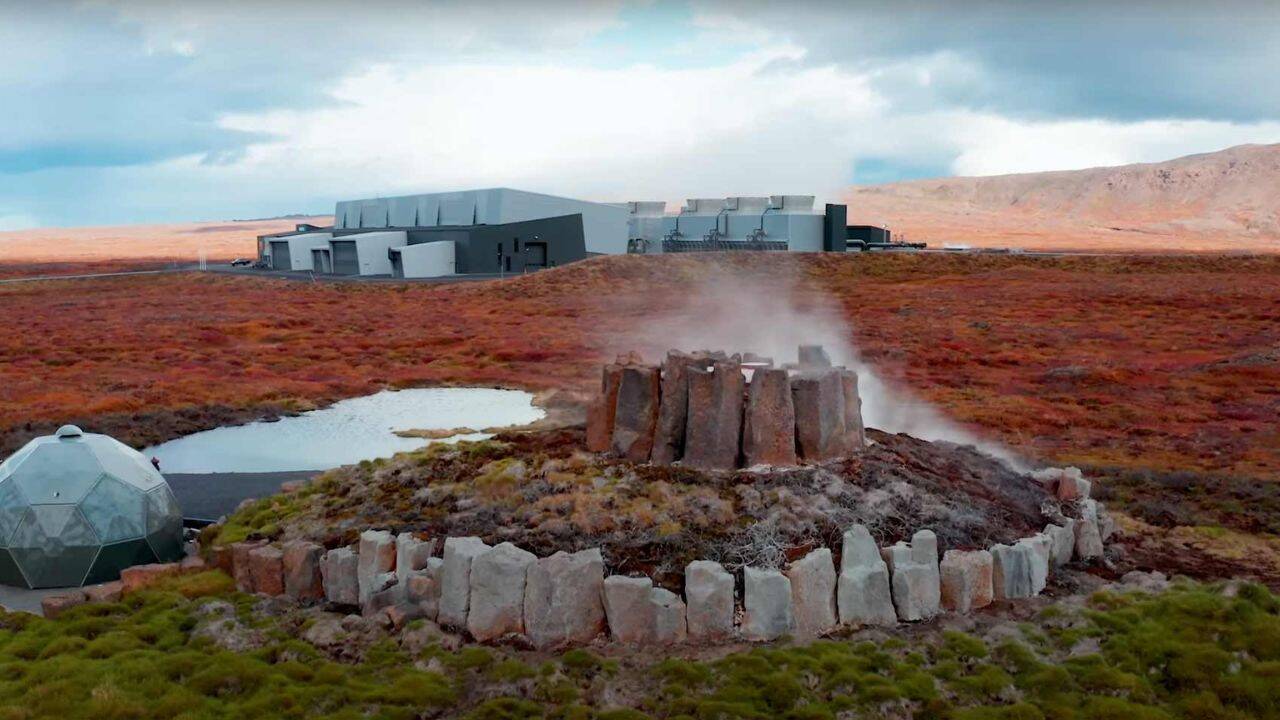
Drillers working on the Reykjanes Peninsula didn't find a slightly warmer pocket of water. They smashed directly into a pool of molten rock burning at temperatures between nine hundred and one thousand degrees Celsius. It sounds like a disaster movie plot. It was actually the most important energy accident of this century.
I've spent years tracking energy infrastructure developments, and most geothermal announcements make me yawn. They promise minor efficiency gains from standard steam fields. This discovery is different. This was Iceland Deep Drilling Project territory, and it proved that tapping into supercritical geothermal resources delivers up to ten times the energy output of conventional wells.
The Accident That Rewrote the Rules of Earth Science
Let's get one thing straight. They weren't supposed to hit magma. The Iceland Deep Drilling Project aimed for deep, dry, hot rock to create supercritical steam. That is water pushed past its critical point where it acts neither as a liquid nor a gas, but carries an immense punch of kinetic energy.
Instead, the drill bit dropped two point one kilometers down and plunged straight into magma.
Most drill rigs would seize up, melt, or trigger a blowout. The equipment took a beating, but the well casing held. Scientists realized they were sitting on a natural boiler room of unimaginable proportions. When rock is that hot, the fluid rushing through it transforms into supercritical steam.
Standard geothermal wells produce about five megawatts of electricity. This single magma-adjacent well produced around thirty to fifty megawatts. Some estimates suggest output could scale even higher under optimal conditions. Do the math. You need far fewer wells to power an entire city.
Why Traditional Geothermal Falls Short
Standard geothermal energy gets a lot of PR, but it has severe limitations. You drill down a couple of kilometers, pump up warm water, spin a turbine, and inject the water back down. It works. It is clean. It is reliable base-load power.
It is also terribly inefficient compared to what is hiding deeper in the crust.
Traditional sites pull heat from warm underground aquifers. Those temperatures usually hover around two hundred to three hundred degrees Celsius. That is plenty for heating homes in Reykjavik, but it requires massive footprints to generate industrial-scale electricity.
Supercritical systems change the physics entirely. At one thousand degrees Celsius, the thermodynamic efficiency skyrockets. You get energy density that rivals fossil fuels without burning a single drop of hydrocarbons.
The Engineering Nightmare No One Talks About
Don't pack your bags for a geothermal boom just yet. Drilling near magma is an absolute nightmare for materials science.
I’ve talked to engineers who look exhausted just talking about the corrosive cocktail down there. Supercritical fluids are intensely acidic. They chew through standard steel casings like paper. The thermal shock is brutal. Equipment fails constantly.
When the Reykjanes drill hit magma, it forced scientists to invent new alloys on the fly. They had to design wellheads that could withstand extreme pressure, corrosive gases, and blistering heat simultaneously. If you want to replicate this in California, Japan, or New Zealand, you have to solve these exact engineering hurdles.
Nature doesn't hand out free energy without a fight. The heat is there. Harnessing it reliably without destroying your infrastructure every six months is the real bottleneck.
What This Means For The Global Grid
We love talking about wind and solar. They are cheap and fast to deploy. Yet they suffer from intermittency. The sun sets. The wind stops. Storage helps, but batteries are expensive and resource-intensive to build.
Geothermal doesn't care about the weather. It runs twenty-four hours a day, seven days a week, rain or shine.
If supercritical magma tapping moves from an Icelandic anomaly to a scalable global technology, the energy transition looks completely different. Countries with volcanic activity—places ringing the Pacific "Ring of Fire" or sitting along rift zones—could ditch coal overnight.
Iceland already runs almost entirely on renewables. They don't need this power for themselves. They are looking at exporting it via undersea high-voltage direct current cables to Europe. Imagine British homes running on heat drawn from Icelandic volcanoes. It sounds like science fiction, but feasibility studies are already underway.
How To Track This Movement
If you are following the energy sector, stop looking solely at battery chemistry and solar panel tariffs. Keep your eyes on deep crustal drilling initiatives.
Watch the following developments over the next few years:
- New material science breakthroughs for acid-resistant turbine blades and well casings.
- Expansion projects at the Krafla magma testbed in northern Iceland.
- Pilot deep-drilling projects attempting to replicate Iceland's success in regions like the western United States.
The earth has stored an infinite battery beneath our feet. We finally have the tools—and the accidental discoveries—to crack it open. Stop waiting for a miracle breakthrough in fusion. The fire is already burning down there.