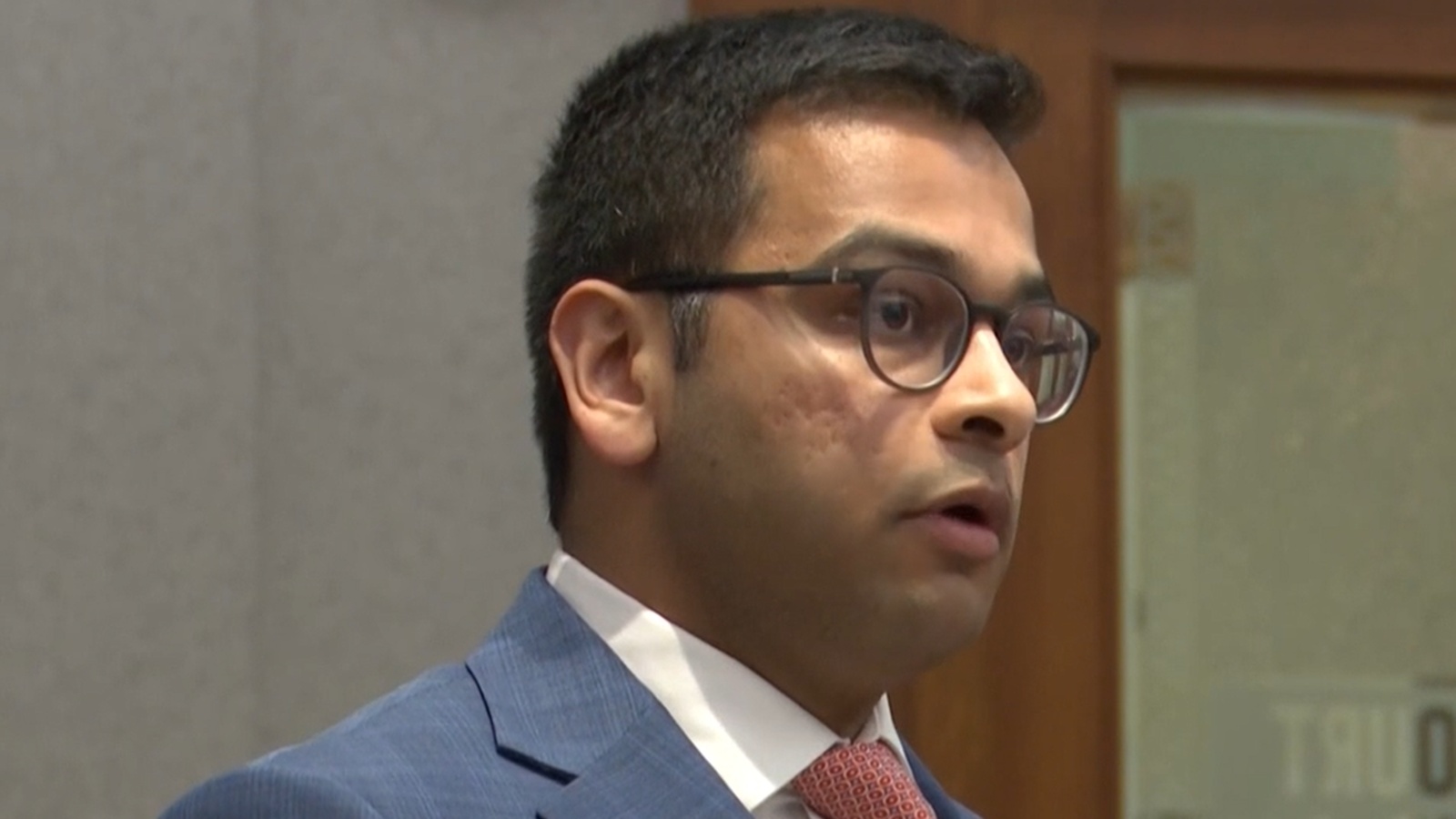
A phone concealed inside a cardboard box in a staff restroom at Ohio’s Toledo Hospital unravelled a months-long campaign of invasion of privacy inside a healthcare facility. Advait Deshmukh, a third-year medical resident specializing in urologic oncology at the University of Toledo, was sentenced to six months in jail, three years of probation, and ordered to register as a sex offender for 15 years after pleading guilty to attempted tampering with evidence and seven counts of voyeurism. The court also mandated that he attend Sexaholics Anonymous and undergo ongoing mental health treatment.
The breach came to light when a hospital employee noticed a suspicious box inside a unisex employee bathroom in the hospital’s Renaissance Tower. When another worker tried to remove the box, Deshmukh physically snatched it, claiming ownership. A joint investigation by ProMedica and local police subsequently uncovered 82 illicit images taken across a four-month span, identifying at least six female colleagues who were secretly recorded without consent. Building on this theme, you can also read: Why the Saudi Nuclear Deal Is the Smartest Foreign Policy Move in Decades.
An Institutional Blindspot in Medical Staff Quarters
Medical institutions operate under strict physical and digital security protocols to protect patient health records and controlled substances. Yet, private staff areas remain surprisingly unguarded. Bathrooms, call rooms, and changing areas rely almost entirely on spatial trust rather than routine security sweeps or physical inspection protocols.
This trust model fails when an insider abuses access. Deshmukh held high-level access as a specialty resident surgeon. His credentials allowed him free movement through staff-only zones where non-employees would immediately trigger suspicion. When employees occupy spaces restricted to credentialed staff, their guard is down. That vulnerability created an ideal environment for illicit recording over several months before anyone spotted the physical anomaly. Observers at Reuters have provided expertise on this trend.
The Paper Trail of Digital Evidence
When the hidden phone was discovered, the legal focus shifted quickly to forensic evidence recovery. The phone contained dozens of captured files spanning from February to May 2025. Investigators suspected the behavior may have stretched back even further, highlighting how easily miniature digital optics can be hidden in plain sight within institutional environments.
Prosecutorial records showed that when confronted in the restroom, Deshmukh attempted to reclaim the hardware before data could be extracted—triggering the secondary charge of attempted tampering with evidence. In court, defense counsel argued for probation without incarceration, pointing to ongoing psychological treatment. Judge Michael Goulding rejected the plea for zero jail time, ruling that the systemic violation of co-workers demanded immediate incarceration alongside long-term sex offender registration.
The Lingering Trauma for Healthcare Staff
Legal penalties resolve court dockets, but they rarely repair the psychological strain imposed on victims. Statements delivered during sentencing underscored the lasting anxiety created when private workplace sanctuaries are compromised.
One hospital employee told the court that she remains unable to use public or workplace restrooms without conducting manual checks for hidden lenses. The lingering ambiguity of digital records—where copies might exist on unrecovered cloud drives or external storage—creates perpetual distress. Once recorded, victims face the unsettling reality that digital files can theoretically persist indefinitely.
Hospitals across the country face growing pressure to review security measures within non-patient zones. Recommendations under discussion among facility managers include implementing tamper-evident seals on fixture boxes, conducting periodic physical security audits of staff-only restrooms, and establishing clear reporting channels for physical anomalies in private areas.
As Deshmukh prepares to relocate to Franklin County under strict 15-year registration requirements, the case leaves healthcare administrators with an urgent mandate. Physical access controls must extend beyond safeguarding medications and patient data to ensure the fundamental physical safety of the medical workforce itself.


