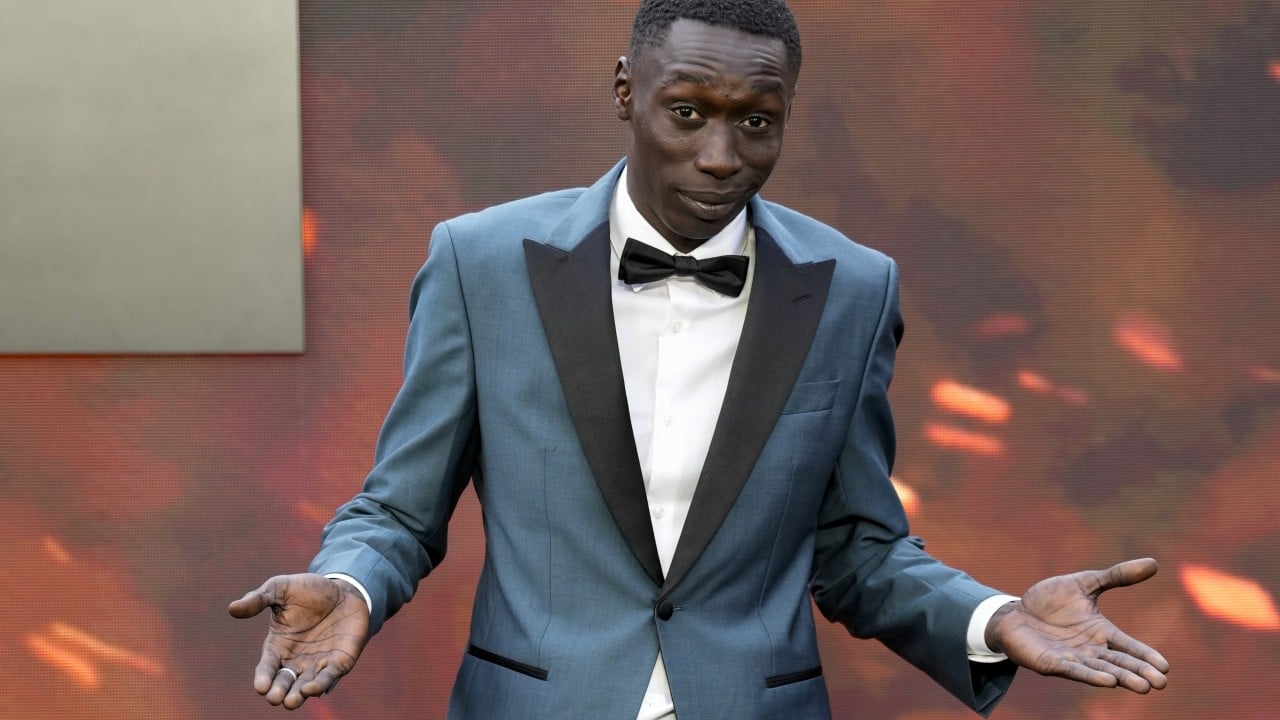
Hong Kong didn't just ask for tourists to come back. They bought the megaphone. While most cities were still dusting off their "Welcome" signs after the global shutdown, the Hong Kong Tourism Board (HKTB) went on a massive recruitment drive. They didn’t target travel agents or traditional TV spots. They targeted people with ring lights and massive follower counts. In just two years, the HKTB invited 1,730 influencers to the city. Those creators didn't just take selfies; they pumped out content that reached a staggering 1.6 billion people globally.
It's a huge number. It’s also a risky one. If you’re wondering if this massive digital push actually translates to feet on the ground, you’re asking the right question. The strategy here wasn't about subtle PR. It was about sheer volume. The city needed to drown out the noise of its long absence from the travel map. By flooding Instagram, TikTok, and Xiaohongshu with high-energy visuals, Hong Kong tried to rewrite its narrative in real-time. Building on this idea, you can also read: Why Jalan Besar is Being Ruined by People Who Hate Jalan Besar.
The scale of the influencer offensive
Let’s talk about the math. 1,730 influencers in 24 months. That's more than two new creators arriving every single day, year-round. These weren't just random backpackers with a few hundred followers. We're talking about a curated mix of "mega-influencers" and niche creators. The HKTB reported that this army of digital nomads produced over 3,300 pieces of content.
This isn't just about pretty pictures of Victoria Peak. The board specifically targeted different markets with different styles of creators. For the Mainland Chinese market, they leaned heavily into Xiaohongshu (Little Red Book). For Southeast Asia and the West, it was all about the reel-style fast cuts of TikTok and Instagram. The goal was simple: 1.6 billion impressions. That means, statistically, about one-fifth of the planet saw a piece of Hong Kong travel content sparked by this specific initiative. Observers at Lonely Planet have shared their thoughts on this situation.
Why the city chose creators over commercials
Old-school destination marketing is dying. Nobody trusts a glossy 30-second tourism board commercial anymore. We know those are staged. We know the lighting is fake. But when a creator you’ve followed for three years shows you a hidden dim sum joint in Sham Shui Po, it feels real. It feels like a recommendation from a friend.
The HKTB understood this shift. They knew that to win back travelers, especially younger ones, they had to stop talking at them and start talking through the people they already trust. This is a massive pivot from the "Best of All Worlds" campaigns of the past. It’s gritty. It’s fast. It’s often unpolished. And that’s exactly why it works. The sheer variety of those 1,730 voices meant that every niche was covered, from luxury shoppers to hardcore hikers and street food obsessed foodies.
The Xiaohongshu effect and the Mainland surge
A huge chunk of this success comes from the North. Hong Kong’s relationship with Mainland Chinese travelers is its most vital economic artery. The HKTB didn’t just invite these influencers; they taught them how to "sell" the city. They focused on "Citywalks"—a trend that took off on Chinese social media where users share curated, walkable routes through urban neighborhoods.
I’ve seen how this plays out on the streets. You’ll see a specific corner in Central or a particular colorful wall in Old Town Central, and suddenly there’s a line of twenty people waiting to take the exact same photo. That doesn't happen by accident. It’s the result of specific influencers being told, "Hey, this spot looks great on a phone screen." By leaning into the Xiaohongshu aesthetic, Hong Kong made itself "photogenic" again for its biggest market.
Where the 1.6 billion figure gets complicated
Numbers can be deceptive. "Impressions" or "reach" aren't the same as "bookings." While 1.6 billion people might have scrolled past a photo of the Star Ferry, the real test is how many of them actually grabbed their passports. Data from the HKTB shows a significant recovery in visitor numbers, but it’s not a 1:1 correlation with social media likes.
The city is still fighting headwinds. High prices, a strong dollar, and stiff competition from Tokyo and Bangkok mean that an Instagram post has to work twice as hard. Some critics argue that the HKTB is too focused on the "top of the funnel"—getting attention—and not enough on the "bottom of the funnel"—making the actual experience of visiting Hong Kong seamless and affordable. It's great that 1.6 billion people saw the city, but if they get there and find it too expensive, the influencer's "recommendation" turns into a negative review pretty quickly.
Diverse voices for a diverse city
What I find interesting is the breadth of the invites. It wasn't just "travel influencers." They brought in chefs, photographers, fashionistas, and even tech reviewers. This matters because Hong Kong is a layered city. If you only show the skyline, you miss the mountains. If you only show the malls, you miss the temples.
By inviting 1,730 different perspectives, the HKTB managed to showcase the "hidden" Hong Kong. They pushed creators into the New Territories and onto the outlying islands like Lamma and Lantau. This strategy helps de-congest the main tourist traps while giving visitors a reason to stay an extra day or two. It’s a smart play. The longer someone stays, the more they spend. Simple as that.
The cost of going digital first
While the HKTB hasn't explicitly broken down the exact dollar amount spent on these 1,730 individuals, we know it isn't cheap. Flights, luxury hotels, dining credits, and often direct appearance fees add up fast. Some skeptics wonder if that money would be better spent on direct subsidies for airlines to lower ticket prices or on improving local infrastructure.
But look at the alternative. If you don't spend on influencers, you're essentially invisible in the modern travel market. If you aren't on the "Explore" page, you don't exist. The HKTB chose to play the game by the new rules. They decided that being a "trending" destination was worth the massive overhead.
How to use this information for your own travels
If you’re planning a trip to Hong Kong because you saw one of these 1,730 influencers, you need to be smart about it. Influencer content is a highlight reel. It’s the best 15 seconds of a 15-hour day.
Don't just follow the "Citywalk" maps blindly. Those spots are now crowded because everyone else saw the same post. Instead, use the influencers for inspiration, then go one block over. The real magic of Hong Kong isn't in the spot where everyone is taking a photo; it's in the tea restaurant next door where no one is filming.
Moving beyond the screen
The HKTB’s massive influencer push was a successful "shock and awe" campaign. It put Hong Kong back in the global conversation. But the buzz of 1.6 billion views eventually fades. The city’s next challenge isn't getting more likes; it’s ensuring the reality of the visit lives up to the hype created by 1,730 professional content creators.
To get the most out of the "new" Hong Kong, start by looking at the specific neighborhoods these creators highlighted—like West Kowloon or Deep Water Bay—but do your own digging on local forums and maps. Use the digital hype as a starting point, not a final itinerary. Check the HKTB’s own site for "Hong Kong Goodies" vouchers, which were often bundled with these campaigns, to see if you can still snag free drinks or transport offers. Stop watching the reels and start booking the flights. The city is ready, whether you have a million followers or just a pair of comfortable walking shoes.


