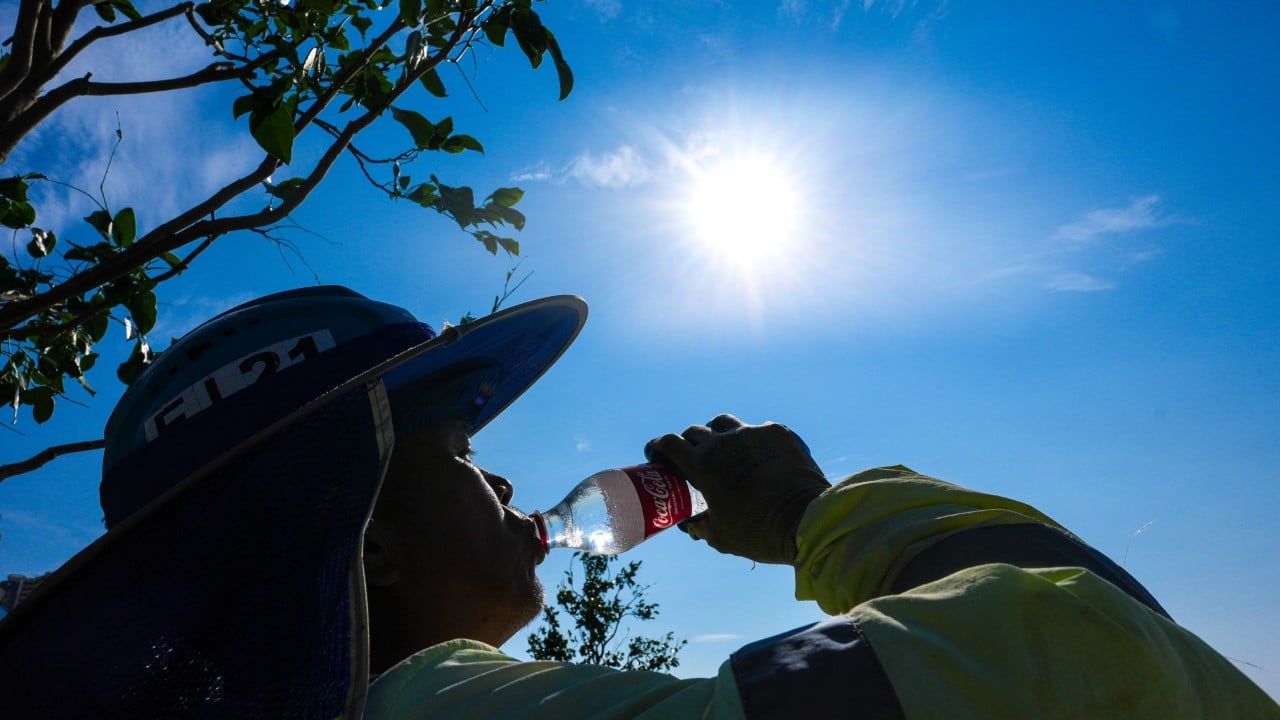
Scorching temperatures grip Hong Kong every summer, yet outdoor workers are left sweating out dangerous shifts while officials tinker with indicator dials. The government recently updated its Heat Stress at Work Warning system, introducing automatic tier jumps when ambient temperatures hit 35 degrees Celsius or higher. Officials hoped to quiet public criticism after blistering heat waves failed to trigger higher alerts under older formulas. But tweaking thresholds misses the core problem.
Labor advocates and industry experts point out that the revamped framework still lacks teeth. Advisory guidelines mean nothing if employers can safely ignore them without facing direct legal penalties.
The Illusion of Protection Under the Revised System
The revamped system relies on a three-tiered Amber, Red, and Black warning structure managed by the Labour Department. Under the updated rules, an Amber warning triggers when the Hong Kong Observatory issues an Extremely Hot Weather special alert. If general temperatures cross 35 degrees Celsius, the warning level jumps automatically.
On paper, this sounds proactive. In practice, the mandatory protection stops short where workers need it most.
When a Red or Black warning activates, work suspension rules apply strictly to heavy or very heavy labor categories. Street cleaners, maintenance crews, and workers handling moderate workloads are expected to keep moving. They receive advice for longer rest breaks, but they do not get the right to stop working entirely.
Lawmaker Lam Chun-sing pointed out that the threshold requirements for the highest alerts remain too restrictive. When extreme weather forces a typhoon signal nine or ten, all non-essential outdoor work halts immediately regardless of trade. Extreme heat carries equal physical danger, yet heat stroke victims lack the same blanket protection.
Why Advisory Guidelines Fail on Construction Sites
Construction subcontractors and industry associations admit that a dozen high-heat rest days a year barely impact project timelines. Most sites can absorb minor delays. The friction lies in execution and compliance.
Because the entire warning architecture remains an advisory code of practice rather than statutory law, enforcement is toothless. Inspectors must prove an employer showed gross negligence under general occupational safety duties rather than simply violating a direct heat law.
Subcontractors often face tight deadlines and financial penalties for delays. When project managers balance contractual fines against optional heat advisories, production usually wins. Workers feel pressured to push through fatigue because slowing down risks their daily wages or their jobs.
Real protection requires clear boundaries. If the temperature hits dangerous extremes, work stops for everyone outdoors. Leaving break schedules up to the discretion of individual site supervisors creates a race to the bottom.
Bridging the Gap Between Bureaucracy and Reality
Fixing Hong Kong's occupational heat safety requires moving past mere warning adjustments. Officials must study comprehensive adjustments like Wet Bulb Globe Temperature indicators and mandate statutory rest periods.
Employers need clear, binding legal mandates rather than vague recommendations. Workers need the legal backing to refuse unsafe labor without fear of retaliation or lost income.
Until the government backs its temperature warnings with legal enforcement, revisions will remain cosmetic fixes for a system built to protect corporate schedules instead of human lives.