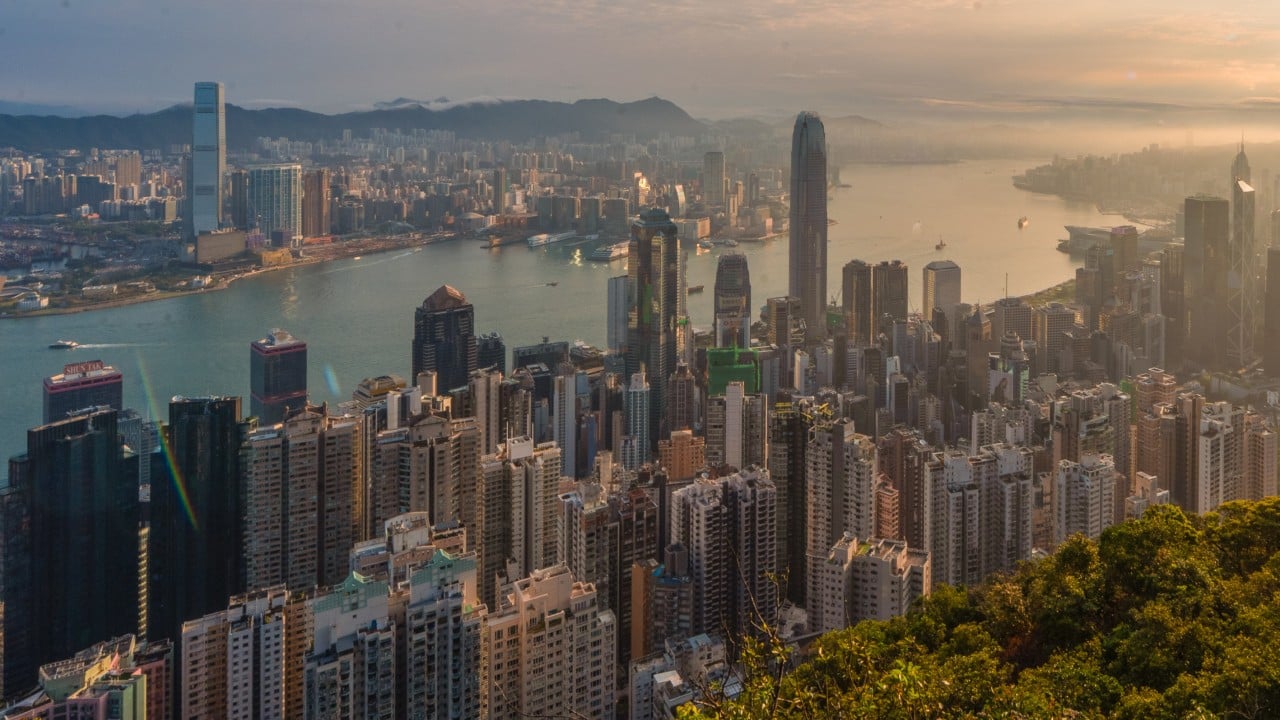
The skyline of Hong Kong remains a glittering testament to high finance, but the gears turning beneath the surface have shifted irrevocably. By 2026, the city is no longer just a bridge between East and West. It has been re-engineered into a high-tech laboratory for China's internal growth, a transformation formalized by the 15th Five-Year Plan. This isn't a simple case of "business as usual." The reality is a deliberate, state-led overhaul that prioritizes national security and technological self-reliance over the laissez-faire traditions that once defined this territory.
The Northern Metropolis and the Death of the Buffer Zone
For decades, the border between Hong Kong and Shenzhen was a hard line of demarcation. Today, that line is blurring into a massive industrial experiment known as the Northern Metropolis. This isn't a mere housing project. It is a 30,000-hectare strategic zone designed to tether Hong Kong’s research capabilities directly to the manufacturing muscle of the Pearl River Delta.
The "Hetao model"—research in Hong Kong, pilot production in the Greater Bay Area, and listing on the Hong Kong Stock Exchange—is the new blueprint. By moving the city's economic center of gravity away from the traditional Central district toward the northern border, the government is effectively ending the era of Hong Kong as an autonomous economic island. The goal is a "seamless" integration where data, capital, and people flow according to Beijing’s strategic requirements rather than market whims alone.
The RMB Fortress and the Singapore Rivalry
While critics frequently point to Singapore as the "winner" of Hong Kong’s recent turbulence, the data suggests a more complex story. Hong Kong has stopped trying to be a general-purpose regional headquarters for Southeast Asia. Instead, it is doubling down on its role as the world’s premier offshore Renminbi (RMB) hub.
The strategy is defensive. As geopolitical tensions lead to more talk of financial decoupling, China needs a "fortress" where it can trade and settle in its own currency outside the direct reach of Western sanctions. Hong Kong is that fortress. The city now handles roughly 75% of global offshore RMB settlements. This isn't just about trade; it’s about survival. By 2026, the introduction of the digital RMB into cross-border trade has further entrenched this position, making the city a testing ground for a financial system that bypasses the traditional SWIFT network.
The Capital Markets Trap
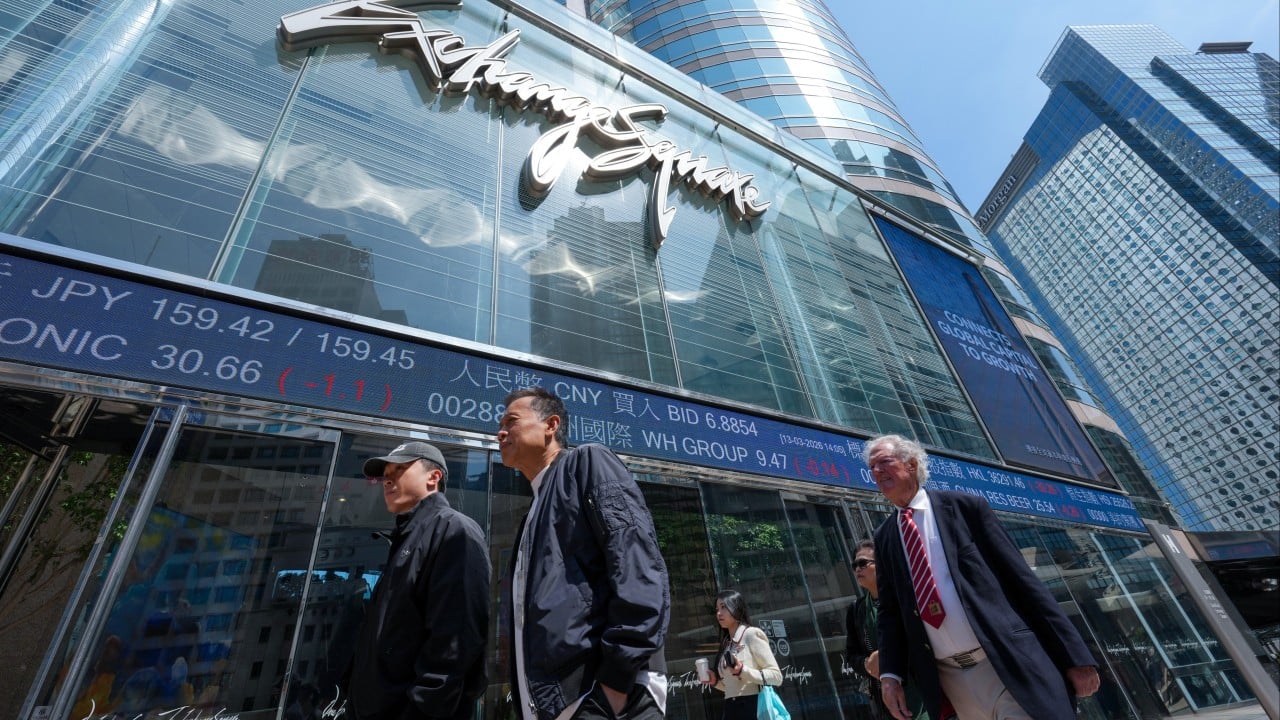
The Stock Connect programs have reached a point where the Hong Kong and Mainland markets are virtually a single entity. While this has provided a massive liquidity injection, it has also changed the DNA of the exchange. IPOs are now dominated by state-backed enterprises and "little giant" tech firms from the Mainland. Global investors who once used Hong Kong to bet on Asian growth are now primarily betting on Chinese policy outcomes. This shift is permanent.
Technology as the New Sovereignty
The most aggressive change is happening in the "hard tech" sector. Under the 15th Five-Year Plan, Hong Kong is being forced to pivot from services to "new quality productive forces." This includes:
- Low-Altitude Economy: Using the Northern Metropolis as a testbed for autonomous logistics and drone networks.
- Life Sciences: Leveraging Hong Kong’s medical data to feed Mainland biotech research, a move that raises significant privacy questions but offers massive scale.
- AI and Supercomputing: The Sandy Ridge data facility cluster is being built to provide the computing power that the Mainland’s AI industry craves, essentially turning Hong Kong into a high-security server room for the Greater Bay Area.
The Talent Swap
The city is witnessing a demographic swap that is largely invisible in top-line population figures. While thousands of middle-class locals have departed, they are being replaced by a highly targeted influx of professionals from the Mainland via the Top Talent Pass Scheme. These newcomers aren't just filling vacancies. They are bringing with them the work culture and political alignment of the Mainland, effectively "mainlanding" the professional class from the inside out.
The result is a city that is more efficient at executing Beijing's orders but less recognizable to the international firms that once called it home. The "super-connector" role has been downgraded to a "one-way valve"—pumping international capital in while keeping strategic assets and data strictly within the Chinese orbit.
The Brutal Reality of the Three Centres
The government frequently cites the "Three Centres and a Hub" (finance, shipping, trade, and aviation) as the pillars of the future. But the "international" prefix on these titles is increasingly a matter of branding. Shipping is being diverted to automated terminals in Ningbo and Shanghai. Aviation is being integrated into a regional cluster dominated by Guangzhou. Even the legal system is being steered toward "rule alignment" with the GBA, prioritizing commercial predictability for Chinese firms over the common law protections that western litigants once took for granted.
Hong Kong is not dying, but the version of it that existed as a neutral, western-facing gateway is gone. What remains is a specialized, high-security financial and technological node—a strategic asset in a world of hardening borders. Firms still operating here are no longer choosing a city; they are choosing a side.
The transition to a clean-energy-integrated Northern Metropolis by the end of 2026 marks the final physical tethering of the city to the Mainland power grid. This is the ultimate symbol of the new Hong Kong. It is a city that no longer generates its own power, literally or figuratively, but instead serves as a high-performance component in a much larger machine.