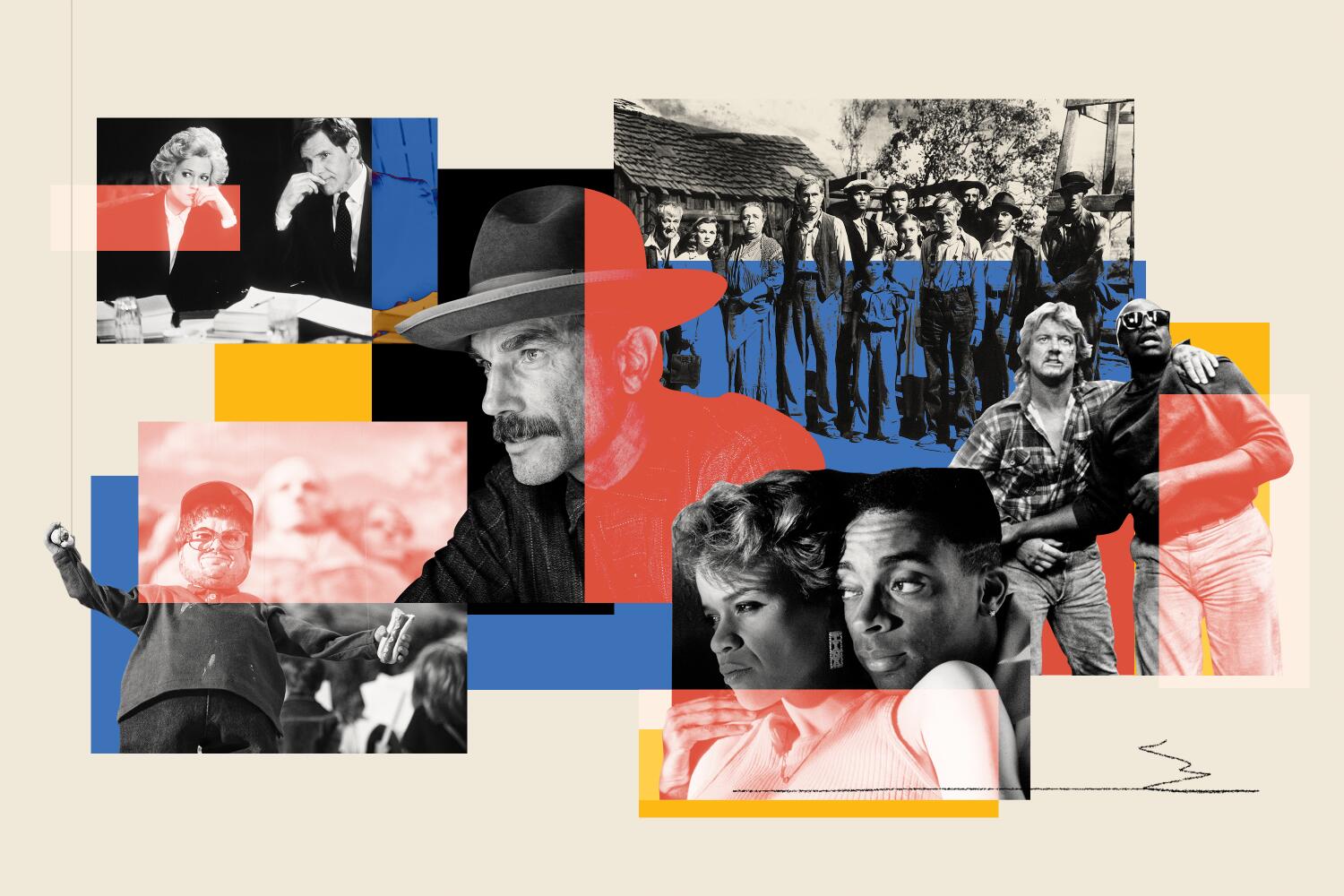
Cinema likes to pretend it is a mirror reflecting American society during seismic shifts. The reality is far less noble. Most studio films do not capture cultural change while it happens; they package it years later after the raw edges have been safely sanded down for mass consumption. When a real national crisis hits, the entertainment industry usually panics, retreating into nostalgia or safe, sanitized allegories that validate what the audience already believes.
The true definitive movies that capture America in times of profound change are rarely the ones that won Best Picture. They are the friction points. These are the films that caught the country mid-transformation, exposing cultural rifts before the history books could rewrite them. By examining how cinema handles industrial collapse, racial reckoning, media rot, and wartime disillusionment, we can see the precise moment the American myth clashed with reality. If you found value in this article, you should check out: this related article.
The Myth of the Working Class Dream
Hollywood has always struggled with the American rust belt. When industrial automation and offshoring began dismantling the manufacturing sector in the late twentieth century, mainstream cinema largely looked away, preferring the high-octane escapism of musclebound heroes.
The exception came from filmmakers willing to show the immediate psychological toll of economic displacement. For another perspective on this event, check out the latest coverage from Variety.
The Grapes of Wrath managed to capture the desperation of the Dust Bowl era because it was filmed and released in 1940, while the wounds of the Great Depression were still wide open. Director John Ford did not look back with warm sentimentality. He captured the literal dirt, the migration, and the terrifying realization that hard work was no longer a guarantee of survival.
Decades later, Blue Collar (1978) pulled off a similar feat for the industrial Midwest. Directed by Paul Schrader, the film exposed how the automated assembly line did not just break bodies; it broke solidarity. Schrader did not fall into the trap of glorifying union bosses or corporate executives. Instead, he showed how the system actively pitted Black and white workers against each other to prevent collective bargaining. It is an uncomfortable, cynical look at economic change that modern studio executives would reject immediately for lacking a redemptive arc.
Distorting the Racial Fault Lines
When communities boil over, the media demands neat narratives. Cinema often obliges by delivering historical dramas where racism is treated as a past-tense disease cured by a single heroic figure.
True cinematic reflections of racial tension do not offer comfortable resolutions.
Spike Lee did not wait for history to judge the racial friction of the late 1980s. He shot Do the Right Thing during a sweltering Brooklyn summer and released it in 1989, catching a nation on the precipice of massive demographic and social upheaval.
The film offers no easy answers. It refuses to validate the myth of the melting pot, choosing instead to show how structural neglect, heat, and mutual distrust can turn a neighborhood block into a tinderbox within hours. Critics at the time worried the movie would incite real-world violence. What it actually did was document a structural anger that the evening news routinely ignored.
Compare that to the systemic critique found in Killer of Sheep (1977). Charles Burnett shot the film on a shoestring budget in Watts, Los Angeles. Rather than focusing on explosive violence, Burnett captured the slow, grinding exhaustion of working in a slaughterhouse while trying to raise a family in an economically redlined community. The profound change here is not an event; it is the corrosive effect of a changing economy on the human spirit.
The Corporatization of the American Mind
The mid-1970s marked the moment television news ceased to be a public service and became a profit center. The country was reeling from Watergate and the tail end of the Vietnam War, creating a vacuum of trust that corporate media was eager to fill with entertainment masked as journalism.
Network (1976) remains the definitive text on this shift.
Paddy Chayefsky’s script predicted the rise of outrage culture, reality television, and the complete commodification of public anger. The movie argues that the greatest change in American life was not political, but psychological. People were no longer citizens; they were an audience. The film’s terrifying realization is that even when a populist voice rises up to scream against the machine, the corporate structure will simply buy the broadcast rights to the anger and sell commercial time slots around it.
The Loss of Wartime Innocence
War usually produces propaganda first and truth much later. The transition from the unified home front of the 1940s to the fractured domestic landscape of the late 1960s broke the traditional Hollywood war movie format.
Coming Home (1978) bypassed the battlefield entirely to focus on the wreckage left behind in a California military town. Released alongside The Deer Hunter, Hal Ashby’s film focused on the physical and psychological rehabilitation of veterans returning to an America that did not know what to do with them. It captured a profound shift in the domestic consciousness: the realization that the state could wage a war that its own people no longer believed in, leaving those who fought it stranded between an old patriotism and a new, bitter reality.
The Illusion of Progress
The danger of evaluating movies about cultural change is the temptation to look for a linear trajectory of progress. Cinema often creates a false sense of closure, suggesting that because a film was made about a crisis, the crisis has been resolved.
The historical reality is cyclical. The economic despair of 1940 echoes in the rust belt narratives of the late seventies. The media manipulation exposed in 1976 laid the groundwork for the polarized news ecosystems of the current era.
The films that truly matter are the ones that resist the urge to comfort the viewer. They stand as historical markers, capturing the raw, unedited friction of a society realizing that its founding myths are no longer sufficient to explain its current reality.


