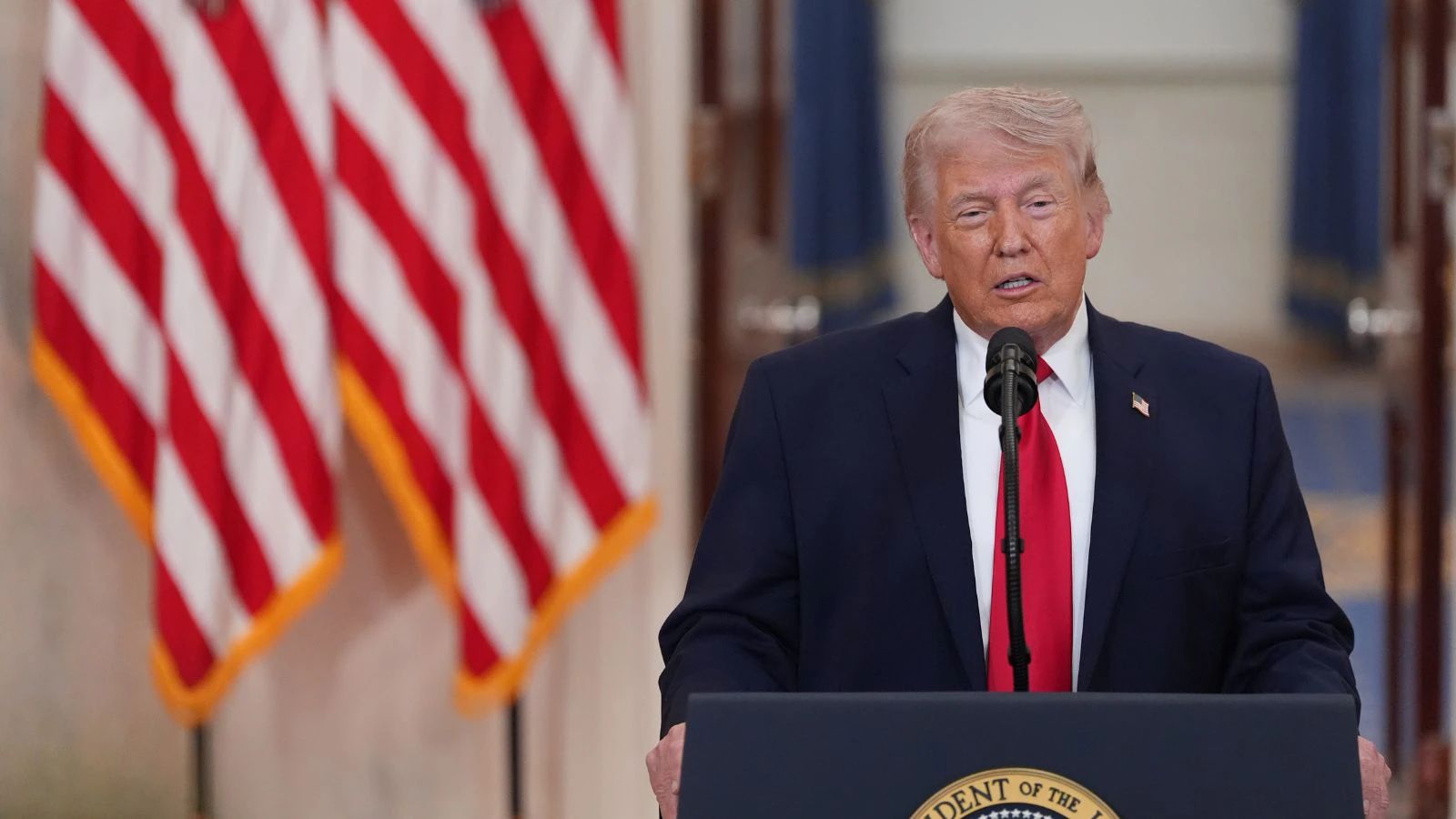
The air in the Oval Office is rarely just air. It is a pressurized weight, a mixture of history and the immediate, crushing gravity of the present. When a President sits behind the Resolute Desk, he isn't just reading memos. He is looking at a map of the world where every border is a tripwire and every signature is a heartbeat.
On this particular afternoon, the map spread before Donald Trump wasn’t working. It was a proposal regarding Iran, a document thick with diplomatic jargon and the hopeful ink of intermediaries. To a career negotiator, a man who views the world through the prism of the "deal," the paper felt light. It was missing the one thing that turns a temporary truce into a permanent legacy. It left out the nuclear issue.
A senior U.S. official, speaking from the shadows of anonymity that define Washington's inner workings, captured the mood perfectly. The President "doesn’t love it."
Love is a strange word for a nuclear standoff, but in the high-stakes theater of global security, it is the only one that fits. You cannot fall in love with a half-measure. You cannot find passion in a deal that solves the symptoms while the underlying fever continues to burn.
The Ghost in the Centrifuge
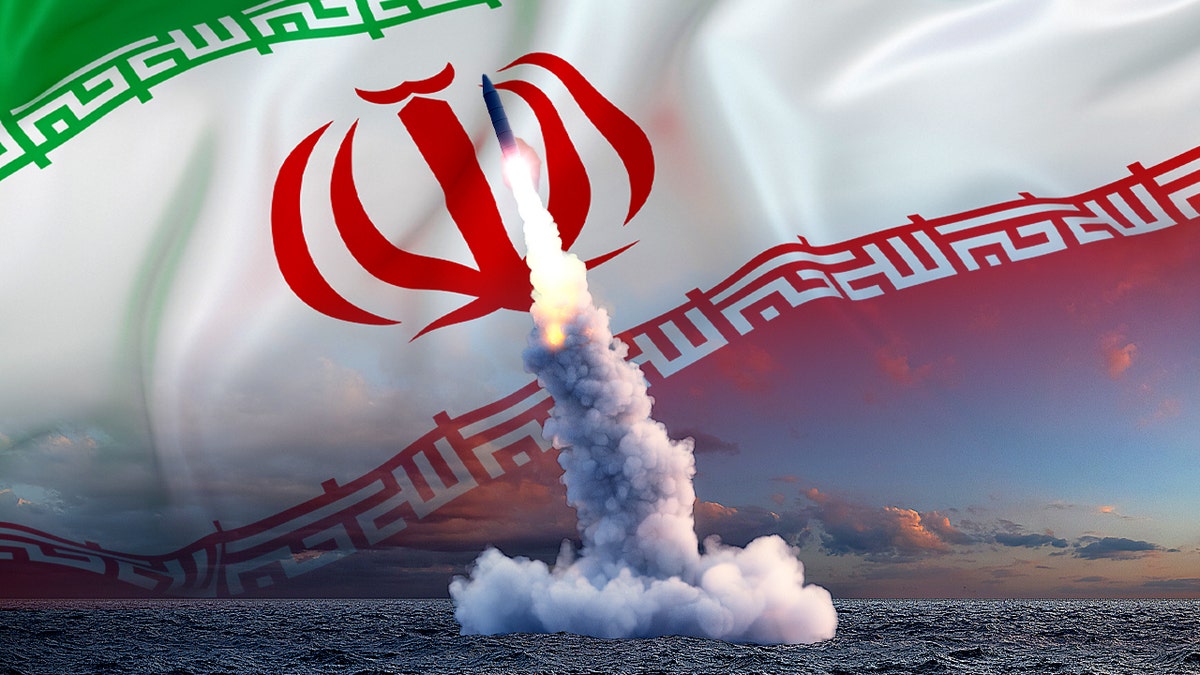
To understand why a diplomatic breakthrough can feel like a failure, you have to look past the televised handshakes and into the silent, sterile halls of a facility like Natanz. Imagine a technician standing before a row of IR-6 centrifuges. These are not just machines; they are the physical manifestation of a nation’s ambition and a neighbor's nightmare.
The technician hears a hum. It is a steady, rhythmic vibration that signals the enrichment of uranium. In the world of international relations, that hum is a ticking clock.
The proposal currently sitting on the President's desk sought to address many things. Perhaps it touched on regional influence, or the release of prisoners, or the easing of the economic chokehold that has turned the Iranian rial into a ghost of its former value. These are human concerns. They affect the price of bread in Tehran and the safety of tankers in the Strait of Hormuz.
But without the nuclear component, the deal is a house with a beautiful facade and a basement filled with dynamite.
The President’s hesitation isn't born of a desire for conflict. It is born of the negotiator’s oldest rule: if you don’t solve the biggest problem first, the biggest problem will eventually solve you. By leaving the nuclear program out of this specific proposal, the architects of the document created a vacuum.
The Cost of a Half-Turn
Consider the perspective of a small business owner in a suburb of Isfahan. For him, the "nuclear issue" isn't an abstract concept of kilotons and warheads. It is the reason his son cannot find a job. It is the reason the imported parts for his machinery are stuck in a port three thousand miles away. He wants the deal. He needs the world to open its doors again.
Now, shift your gaze to a family in Tel Aviv or Riyadh. For them, the "nuclear issue" is the only thing that matters. They see the centrifuges not as political leverage, but as an existential threat that could erase their morning coffee and their children’s future in a single, blinding flash.
When an American President looks at a proposal that ignores these realities, he isn’t just being difficult. He is weighing these two lives against each other.
The "dry facts" of the situation tell us that the U.S. wants a comprehensive agreement. The "human narrative" tells us that anything less is a betrayal of the people living under the shadow of the bomb. If the United States signs a deal that ignores the enrichment levels, it provides temporary economic relief at the cost of long-term terror. It is like fixing a broken window in a house that is currently on fire.
The Negotiator’s Shadow
Donald Trump’s approach to diplomacy has always been unconventional, often jarring to the traditionalists who walk the marble halls of the State Department. He treats the world like a series of acquisitions and mergers. In that world, "leverage" is the only currency that doesn't depreciate.
The sanctions imposed on Iran are the leverage. They are the heavy weights on the scale. To remove those weights for anything less than a total cessation of nuclear ambition is, in the President’s eyes, a bad trade.
The U.S. official’s remark that the President "doesn’t love" the proposal suggests a deeper frustration with the diplomatic process itself. It’s the frustration of a man who wants to settle the debt in full but is being offered a payment plan that doesn't cover the interest.
Critics argue that by holding out for the "perfect" deal, the administration risks getting no deal at all. They point to the rising tensions, the near-misses in the Persian Gulf, and the suffering of the Iranian people. They say a partial map is better than being lost in the woods.
But is it?
If you are navigating a minefield, a map that only shows half the mines is a death sentence. It gives you the confidence to walk forward into a disaster you could have avoided if you had stayed still.
The Invisible Stakes
We often talk about "geopolitics" as if it’s a game played on a board. We forget that the pieces are made of flesh and blood.
The nuclear issue is the invisible thread that ties a mother in Maine to a student in Tabriz. If that thread snaps, the resulting chaos doesn't care about political parties or diplomatic nuances.
The President knows that a deal without a nuclear clause is a deal with an expiration date. It is a stay of execution, not a pardon. And in the cold, hard light of the Oval Office, a stay of execution isn't worth the paper it’s printed on if you have the power to stop the trial entirely.
This isn't just about uranium. It’s about the fundamental trust between nations. It’s about whether a signature actually means the end of a threat, or just a pause in its development.
The proposal was sent back. Not because it was wrong, but because it was quiet where it needed to be loud. It whispered about trade and regional stability while the elephant in the room—the nuclear shadow—breathed down everyone's neck.
The map remains unfinished. The lines are blurred, the borders are uncertain, and the ink is still wet. Somewhere in the corridors of power, a pen is hovering over a new draft, waiting for the moment when the facts finally catch up to the stakes.
Until then, the room remains hollow. The hum of the centrifuges continues, a steady, mechanical reminder that in the world of high-stakes diplomacy, "almost" is the most dangerous word in the English language.
The President is waiting for a deal he can love, because anything less is just a way to pass the time until the clock runs out.