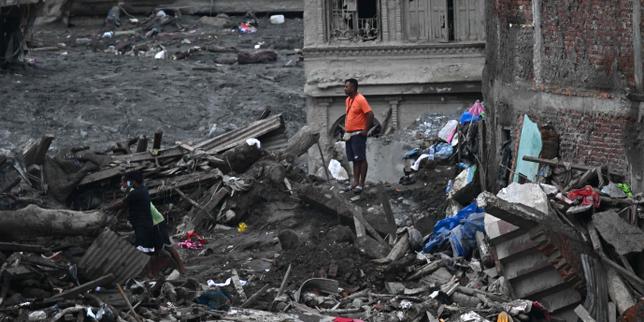
Ten days underground changes a person. When rescue teams pulled a third survivor out of a collapsed hydroelectric tunnel in northern Nepal, it defied simple logic. Most people assumed the worst after a wall of water, ice, and debris crashed across the borderlands. Yet, hope persists in the rubble.
Let's look at what actually happened on the ground. The disaster began when a massive glacier collapse triggered devastating flash floods across the Himalayan region. Whole worksites vanished beneath mud and rock. Workers on hydroelectric projects found themselves trapped deep inside subterranean infrastructure.
Initially, authorities feared the worst for dozens of construction workers. Days bled into a week. Then, two local Nepali workers—identified as Sanjay Sah, 30, and Kabir Maharjan, 45—were dragged out alive from the Trishuli-3 project tunnel. Barely twenty-four hours later, a third survivor, a Chinese national, emerged from another tunnel in the Rasuwa district, rescued by a joint effort of Nepali security forces and South Korean specialists.
The Reality of Himalayan Rescue Operations
You don't just walk into a crushed tunnel with a flashlight and pull people out. These operations require precise engineering, heavy excavation gear, and sheer endurance. International experts from India, China, and South Korea joined local Nepali rescue teams to scour remote valleys.
The scale of the catastrophe remains staggering. Official figures point to over 1,375 deaths and more than 5,600 missing people across Nepal and neighbouring Tibet following the disaster. Entire communities are grieving, and thousands of displaced families rely entirely on emergency aid. The United Nations launched an urgent appeal for nearly 50 million dollars to cover basic necessities for tens of thousands of victims.
What Most Coverage Misses About These Survival Stories
Miracles make great news clips, but they mask a grim operational reality. Finding three survivors after ten days is an statistical anomaly. Pocketed air, access to trapped water sources, and incredible psychological resilience kept these men alive against impossible odds.
Families of the missing still crowd local hospitals and police stations daily, desperately searching for answers. Out of thousands of victims, only a tiny fraction of bodies have been formally identified and returned to their loved ones.
Search teams keep drilling through tons of debris because every shift brings a marginal chance of finding another pocket of life. If you want to support relief efforts on the ground, direct contributions to established international humanitarian agencies operating in the Himalayas offer the most immediate impact.
Nepal: Two workers found alive in tunnel after floods
This short video captures the immediate aftermath and reality of the miraculous tunnel extractions in northern Nepal.
http://googleusercontent.com/youtube_content/1