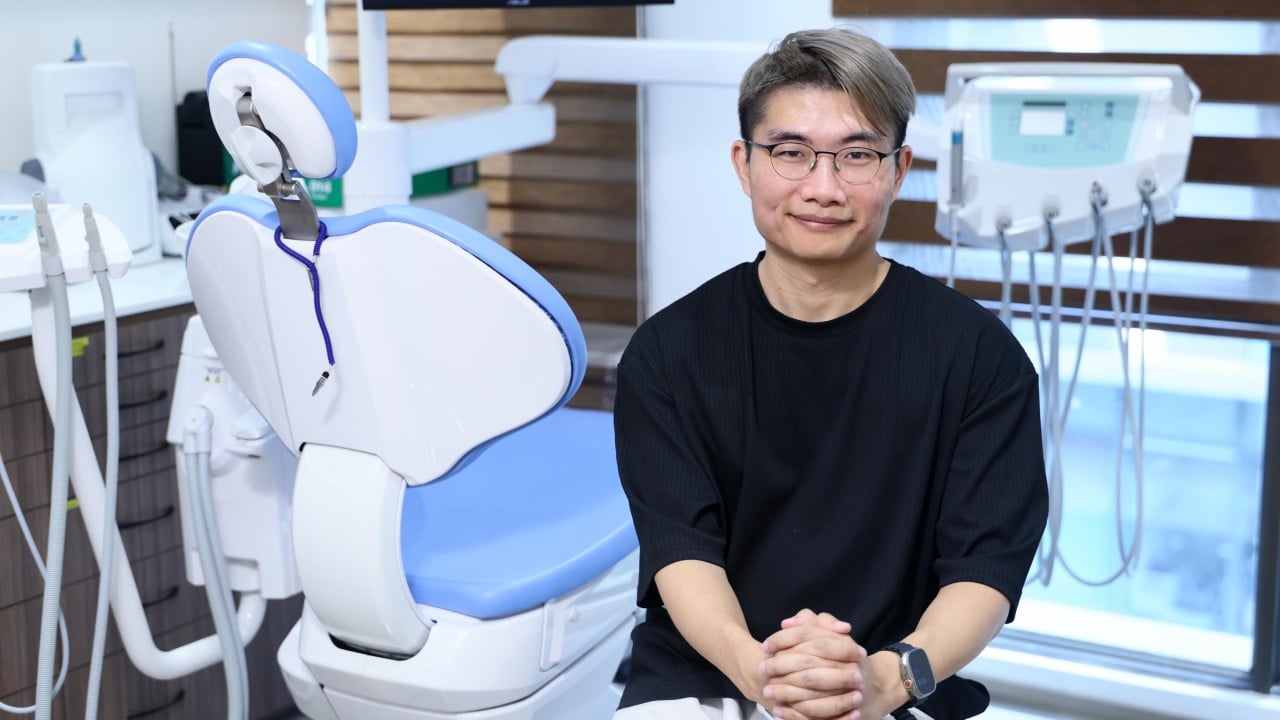
Pain starts small. A dull throb behind a molar while drinking iced milk tea on a humid Tuesday. A twinge when biting into a pineapple bun. Most of us shrug it off, tell ourselves we will book an appointment next month, and keep moving through the rush of a dense metropolis.
Wait. Meanwhile, you can explore related developments here: Executive Health Risk and Institutional Continuity After Papal Lobectomy.
What if booking next month is not a matter of convenience, but a luxury locked behind a waiting room door you cannot afford to open?
In a city as fast, vertical, and driven as Hong Kong, dental care often hides in plain sight yet remains strangely out of reach for thousands of residents. When someone earns a finalist nod for an honor like the Spirit of Hong Kong Awards for bridging the gap in accessible dental care, it is tempting to read the headline, nod politely at a feel-good civic milestone, and swipe away. Yet behind that single line lies a quiet public health crisis that shapes how people eat, speak, work, and smile. To explore the complete picture, check out the excellent article by WebMD.
To make sense of the human stakes without inventing facts or distorting reality, let us step into a hypothetical scenario. Picture Mei-Ling, a fictional middle-aged warehouse clerk working long shifts in Kwun Tong. Mei-Ling is not an extreme case. She represents a recognizable pattern in dense urban economies: someone who works hard, pays taxes, takes care of family, and puts off routine checkups because private clinic fees feel steep and public slot queues stretch far into the distance.
One morning, her lower jaw aches so sharply she can barely chew her breakfast. She wonders whether to take half a day off work, gamble on a public clinic slot, or swallow another painkiller and hope the swelling goes down. That hesitation is where accessible dental care stops being an abstract policy phrase and becomes an urgent, physical reality.
Why a Toothache Never Stays Just a Toothache
People often treat oral health as separate from the rest of the body. We talk about heart disease, diabetes, and burnout as serious conditions, while treating cavities and bleeding gums as minor annoyances—or vanity issues.
Dentistry does not work like that. The mouth is the gateway to digestion, speech, and systemic health. Left untreated, dental decay and gum inflammation can progress from mild discomfort to deep infection, tooth loss, and chronic pain that drains energy and focus. Anyone who has ever sat at a desk or stood on a factory floor with a throbbing tooth knows how it hijacks concentration. You cannot think clearly when a nerve is screaming every time you swallow.
Now consider a metaphor. Think of untreated oral disease like a slow leak in the foundation of an apartment tower. For months, nothing looks dramatic from the street. The lobby still shines. Elevators still run. Inside the walls, though, moisture quietly weakens what holds everything upright. By the time a crack appears on the plaster, the repair is far more expensive and disruptive than fixing the drip early would have been.
Preventive care is that early fix. A routine cleaning, an early filling, or a timely extraction prevents a small problem from turning into an emergency. Yet across many high-cost cities, preventive habits break down precisely because access is uneven. When care feels expensive, distant, or intimidating, people delay visits until the pain becomes unbearable.
The Invisible Barriers Inside a Dense Metropolis
How can a modern, high-income city with world-class hospitals and skilled clinicians still have an accessibility gap in dental care?
Part of the answer lies in economics and supply. Private dental clinics provide high standards and flexible hours, but out-of-pocket costs can add up quickly—especially for households living paycheck to paycheck, older adults on fixed incomes, or workers without comprehensive benefits. Meanwhile, public dental services face heavy demand, limited capacity, and long wait times, often prioritizing emergency relief over routine prevention.
Fear plays a role too. I know that feeling well. Even when you understand the science, sitting in a dental chair with bright overhead lights and the whine of a handpiece can stir up old anxieties—especially if your last visit happened years ago because you felt embarrassed about the state of your teeth. Shame is a powerful barrier. People avoid care not only because of price, but because they dread judgment or bad news.
Then there is the friction of everyday life. Shift workers, caregivers, and elderly residents cannot always travel across town or wait hours for a slot. For an older adult with mobility challenges or limited digital literacy, navigating appointment systems can feel like solving a puzzle with missing pieces.
When cost, wait times, fear, and logistics overlap, a gap opens. Initiatives recognized at community awards like the Spirit of Hong Kong Awards matter because they spotlight people and projects working directly inside that gap—trying to make care more reachable, human, and preventative rather than purely reactive.
What Accessible Care Looks Like When It Works
Bridging a care gap does not happen through slogans. It happens through practical design, community trust, and steady outreach.
Returning to our hypothetical character, Mei-Ling, imagine what changes if a community-focused dental initiative reaches her neighborhood. Instead of waiting until an abscess forces an urgent trip, she gets access to basic screening, clear explanations without jargon, and affordable or subsidized treatment options. She learns how small daily habits—brushing thoroughly with fluoride toothpaste, cleaning between teeth, cutting back on constant sugary snacks—protect her teeth between visits.
Notice the shift from crisis to agency. When people have affordable access and respectful guidance, they stop hiding their discomfort. A parent can help a child build healthy habits early. A retiree can chew comfortably without wincing. A young worker can fix a minor issue before it costs a week of wages or a lost tooth.
Accessible dental care also changes social confidence. We rarely measure how much a person's smile affects job interviews, customer-facing work, or everyday conversations until someone starts covering their mouth when they laugh. Restoring oral health restores dignity.
Questions Everyone Asks Before They Go
Whenever the topic of accessible dental care comes up, practical questions surface right away. People want to know what actually counts as essential care, how often someone really needs to be seen, and what happens if years have passed since their last checkup.
First, routine checkups and cleanings are not indulgence; they are baseline maintenance. Dentists look for early decay, gum inflammation, bite issues, and signs of oral tissue changes long before pain sets in. Depending on individual risk factors—such as gum health, diet, tobacco use, or medical conditions—many people benefit from periodic visits every six to twelve months, though a clinician can tailor that schedule.
Second, starting late is better than staying away. It is easy to assume that if you have ignored your teeth for five or ten years, it is already too late to turn things around. In reality, modern dentistry can address buildup, stabilize gum health, relieve chronic pain, and rebuild function step by step. A good practitioner focuses on where you are today, not lecturing you about yesterday.
Third, affordability requires looking beyond a single bill. A low-cost preventive visit today can prevent root canals, extractions, or complex restorative work down the road. Community clinics, outreach programs, and transparent fee structures help lower the upfront hurdle so people can make choices based on health rather than panic.
A Civic Mirror We Should Not Ignore
Awards that honor community spirit do more than celebrate individuals; they hold up a mirror to what a society values. Recognizing work on accessible dental care reminds us that a thriving city is measured not only by skyscrapers and financial volume, but by how well ordinary people can stay healthy and whole.
There is still plenty we do not know about every local barrier, and no single program can solve systemic healthcare pressures overnight. Even so, the direction is clear: when we treat oral health as essential healthcare, lower practical barriers, and meet people without judgment, fewer neighbors suffer in silence.
The next time you feel a faint twinge when sipping something cold, pause for a second. Think about the relief of getting help early—and think about everyone else in the city still waiting for a door to open.
A healthy smile should never depend on luck.