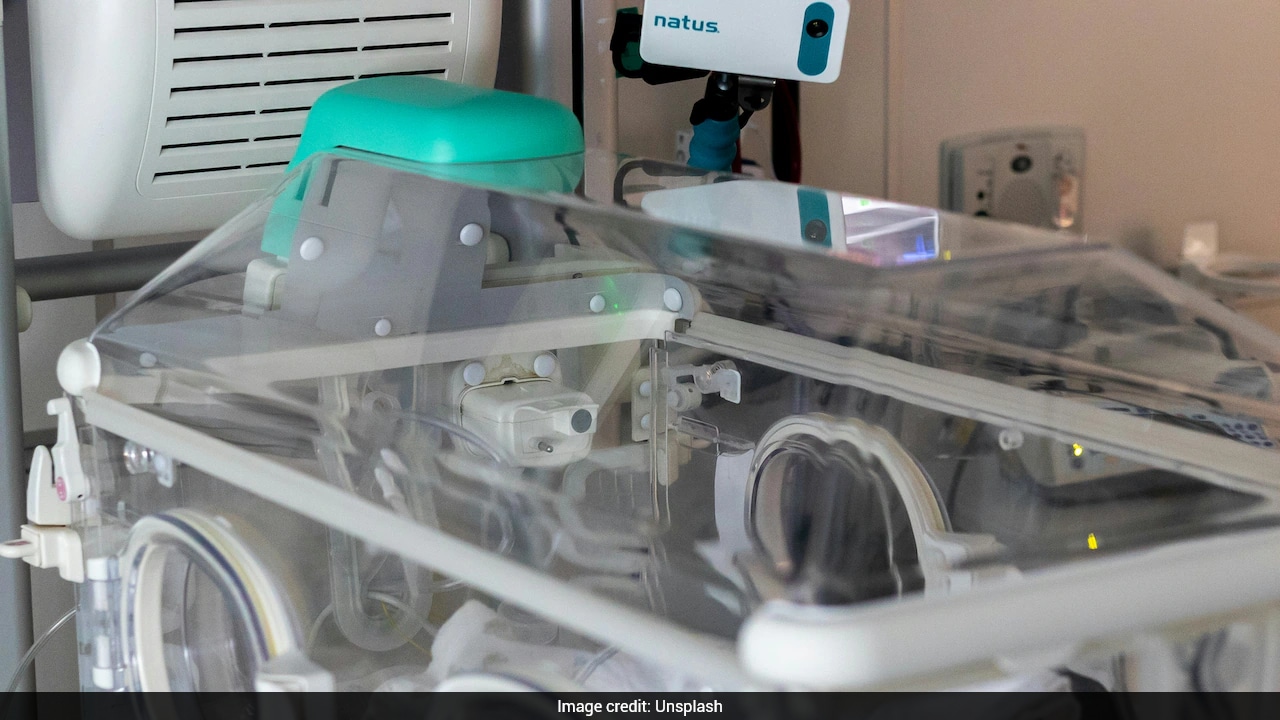
A crib mattress should bear only the soft, erratic rhythm of a breathing child. It should smell faintly of fresh cotton, warm skin, and the peculiar, comforting laundry soap of domestic life. But when the Dutch regional review committee for termination of life in newborns opened its official dossier, the inventory was stark, administrative, and chillingly final.
Two years. That was the entirety of the timeline. Twenty-four months of sunrise, small socks, and whispered lullabies, cut short under a bureaucratic heading known formally as the Groningen Protocol. For a different view, see: this related article.
We do not like to look at the edges of life. We prefer our narratives linear, tidy, and safely insulated by the illusion that medical science marches ever onward toward a horizon of absolute rescue. We want to believe that if a child is broken enough, suffering deep enough, science can always construct a bridge across the chasm. But what happens when the bridge stops short over an abyss of untreatable, unrelenting agony? What happens when the kindest act left in the pharmacopoeia is not a cure, but an exit?
To understand how a society arrives at the point where a two-year-old child's life is formally evaluated for medical termination, we have to strip away the clinical sterility of the statistics and step into the room. Further reporting on this trend has been provided by The Washington Post.
Imagine the monitor. Not as a prop, but as a tyrant. The beep is steady, rhythmic, a mechanical heartbeat keeping time for a body that knows only distress. In cases where this protocol applies—rare, intensely scrutinized, weighed down by layers of ethical dread—the infant or toddler is trapped behind a wall of catastrophic neurological decay or congenital failure so profound that every waking second is an assault of pain. There is no developmental milestone ahead. No first day of school. No scraped knee on a gravel driveway. There is only the long, dark slide of deterioration, managed entirely by machinery and desperate prayers.
The Groningen Protocol, established in the Netherlands two decades ago, was built for these exact corridors of horror. It was designed to provide a legal and ethical framework for physicians who face parents drowning in an impossible grief: the realization that keeping a child alive has ceased to be an act of love and has become an act of prolonged torture.
Yet, seeing the abstract rule applied to a toddler of twenty-four months shatters the comfortable distance we usually keep from these debates. An infant of a few weeks old exists in a hazy borderland between birth and full personhood in our collective imagination. But a two-year-old has a face that has learned to smile. They have a favorite blanket. They have uttered, perhaps, a broken syllable or two that sounded like a name. To cross the threshold of pediatric euthanasia at that age requires stepping off a cliff where the safety nets of ordinary human intuition simply vanish.
Critics look at such cases and see the slippery slope greased by convenience or economic pragmatism. They fear a world where the vulnerable are quietly ushered out of sight because their care is too expensive, too inconvenient, too heavy for the state to bear. That fear is not irrational. History is littered with dark chapters where utility dictated the value of human breath.
To dismiss those anxieties is dangerous. But to reduce the Dutch committee's findings merely to a cold calculation is equally dishonest.
Listen to the pediatricians who sit on these committees. They are not executioners in white coats. They are people who have spent sleepless nights staring at ceiling fans, calculating dosages of sedatives not to heal, but to silence the screaming nerves of a dying infant. They speak in low, exhausted voices about unbearable, hopeless suffering. They describe brains that are more scar tissue than tissue, bodies wracked by continuous, untreatable seizures where every breath is a shudder of raw panic.
When medicine fails to save, it faces an identity crisis. Its ancient oath is to preserve life. But what is life when it has been stripped of every characteristic that makes consciousness a gift rather than a curse?
We have built a culture that fears death so completely that we often inflict a worse fate: the refusal to let go. We wrap our reluctance in the noble language of hope, telling ourselves that miracles wait around the corner, even when every scan, every EEG, and every experienced physician whispers that the corner only leads to more darkness.
The two-year-old in the Dutch report did not die of a sudden accident on a sunlit afternoon. They died after a meticulous, agonizingly slow consensus among parents, doctors, independent specialists, and judicial reviewers. It was a decision made behind heavy wooden doors, wet with tears that no administrative report can capture, and weighed against a standard so rigorous it makes the heart ache just to read the criteria.
Was it mercy?
That is the question that hangs in the air long after the committee's files are closed and the room goes dark. It is a question that defies easy moral packaging. If you call it murder, you ignore the absolute, suffocating terror of a child trapped in a failing shell of flesh. If you call it pure mercy, you risk opening a door to a landscape where human judgment assumes powers it was never meant to wield.
We want a universe with clean moral categories. We want villains and heroes, right answers and wrong ones, neatly filed away. Instead, we live in the messy, broken middle, where parents must sometimes choose between the agony of holding on and the devastation of letting go.
The file is archived now. The statistics are logged into public health registries in The Hague. But somewhere out there, in the quiet spaces of empty nurseries where toys remain untouched and small shoes sit silently by the door, the real tally is kept. It is measured not in protocols or percentages, but in the heavy, unending silence of a room where a child finally stopped hurting, and the world went on turning without them.


