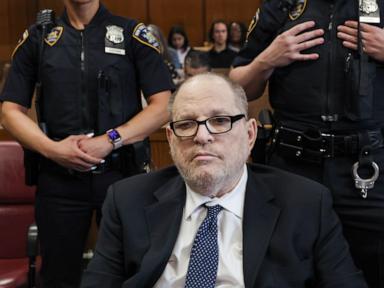
The Manhattan courtroom fell silent as the news broke. Harvey Weinstein’s rape retrial ended not with a bang, but with a frustrated stalemate. After days of deliberation, the jury couldn't reach a unanimous verdict on the charges, forcing the judge to declare a mistrial. It’s a massive blow to the prosecutors who worked for months to rebuild a case that many thought was already settled years ago.
This isn't just another legal hiccup. It’s a mess. The deadlocked jury highlights just how difficult it’s to prosecute high-profile sexual assault cases when the events in question happened decades in the past. For the women who came forward, this result feels like a step backward. For Weinstein’s legal team, it’s a momentary victory in a long, exhausting war of attrition.
Why the Retrial Happened in the First Place
You might be wondering why we’re even talking about a retrial. Back in 2020, Weinstein was convicted of a criminal sex act and third-degree rape. He was sentenced to 23 years. It seemed like a closed chapter for the #MeToo movement. But the New York Court of Appeals tossed that conviction out in early 2024.
The high court ruled that the original trial judge made a huge mistake. He allowed testimony from "Molineux" witnesses—women who alleged Weinstein assaulted them but whose claims weren't part of the actual charges in the case. The appeals court said this prejudiced the jury and denied Weinstein a fair trial. So, the state had to start over from scratch.
This second time around, the rules were tighter. The prosecution couldn't lean on those extra voices as much. They had to focus strictly on the specific charges involving Jessica Mann and Mimi Haley. Without the "bad acts" testimony to bolster the narrative, the case became a classic "he said, she said" battle.
The Jury Deadlock Explained
Juries in criminal cases must be unanimous. That’s the law. If even one person holds out because they have a "reasonable doubt," the whole thing grinds to a halt. In this retrial, the jurors spent hours dissecting every bit of testimony and every piece of physical evidence. They asked for transcripts. They reviewed emails.
I’ve seen this happen before. In cases where there’s no DNA evidence or direct video, jurors often struggle with the definition of "consent." The defense hammered home the idea that the encounters were transactional or complicated relationships rather than forced assaults. They used old emails and friendly messages sent after the alleged incidents to plant seeds of doubt. It worked.
The judge gave what’s known as an "Allen charge." That’s basically a pep talk from the bench telling the jurors to go back, keep an open mind, and try one last time to reach a consensus. It didn't nudge them. When the foreperson finally told the judge they were "hopelessly deadlocked," he had no choice but to pull the plug.
What Happens to Harvey Weinstein Now
He doesn't just walk out the front door and go home. Weinstein is still a convicted felon in California. A Los Angeles jury found him guilty of rape in 2022, and he was sentenced to 16 years there. Even if New York never tries him again, he’s likely spending the rest of his life behind bars.
But New York prosecutors have a choice to make. They can try him a third time. Think about the resources that takes. We’re talking millions of dollars, months of court time, and asking survivors to testify for a third or fourth time. It’s an grueling process.
The Manhattan District Attorney’s office hasn't officially blinked yet. They’re facing immense pressure from advocates to keep fighting. Giving up feels like an admission that the system can't handle powerful defendants. At the same time, if they can't get twelve people to agree now, what changes in a third trial?
The Problem With Cold Cases and Consent
The Weinstein saga proves that our legal system isn't built for these types of stories. Most sexual assault cases don't involve a stranger in a dark alley. They involve people who know each other. They involve power dynamics, career fears, and blurred lines.
When you bring a case to trial twenty years after the fact, memories fade. Details get fuzzy. Defense attorneys love fuzzy details. They use them to tear witnesses apart on the stand. "You said the door was locked in 2020, but now you say it was just closed?" Small inconsistencies become "proof" of a lie in the eyes of a skeptical juror.
We need to be honest about how we define evidence. If a jury needs a "smoking gun" to convict a man of rape, most rapists will continue to go free. This mistrial is a wake-up call that the legal standard of "beyond a reasonable doubt" is a incredibly high bar to clear in the absence of forensic proof.
Understanding the Defense Strategy
Weinstein’s lawyers, led by Arthur Aidala, didn't try to prove he was a saint. They didn't have to. Their job was to prove he wasn't a rapist under the specific definitions of the law. They painted a picture of a Hollywood culture where "casting couch" behavior was gross but not necessarily illegal.
They focused on the "after-math." They showed the jury that the accusers stayed in touch with Weinstein. They looked for any sign of a consensual relationship. To a modern audience, we understand that victims often "fawn" or try to stay on good terms with an abuser out of fear or trauma. But to a juror looking for a clear-cut crime? It looks like a gray area.
The defense team successfully shifted the focus from Weinstein’s actions to the accusers' credibility. It’s an old tactic. It’s a cynical tactic. It’s also a tactic that clearly resonated with at least some members of this jury.
The Future of the Manhattan District Attorney
Alvin Bragg is the man in the hot seat. His office has had some big wins lately, but this mistrial is a stinging loss. He has to weigh the political cost of dropping the case against the practical reality of a third trial.
If he walks away, critics will say he failed the victims. If he goes again and loses or gets another mistrial, he looks like he’s tilting at windmills. Prosecutors hate losing. They hate "hung juries" even more because it feels like a waste of everyone’s time.
Keep an eye on the motions filed over the next few weeks. We’ll see the prosecution try to keep Weinstein in New York custody while they decide their next move. Meanwhile, his health is reportedly failing. He’s been in and out of the hospital at Bellevue. Time isn't on anyone’s side here.
Stay Informed on the Next Steps
If you want to track where this goes, watch the court calendar for the next status hearing. This is where the DA will have to state on the record if they intend to pick a new jury. You can also look into the California appeal status. If his Los Angeles conviction gets overturned, then Harvey Weinstein really could become a free man.
Don't expect a quick resolution. The legal gears turn slowly, especially in cases with this much baggage. For now, the victims are left in a state of limbo, and a man who came to symbolize the worst of an industry stays in a cell, waiting for the next round.
Pay attention to the specific legal filings regarding the "Molineux" ruling. That’s the technicality that started this domino effect. Understanding that one rule helps you see why the second trial felt so different from the first. It’s the difference between a character study and a forensic investigation.
Check the Manhattan DA's public statements daily. They usually telegraph their intent through press releases or "leaked" memos to staff. If they start talking about "judicial economy," they might be looking for a way out. If they talk about "justice for survivors," expect a third trial by the end of the year.