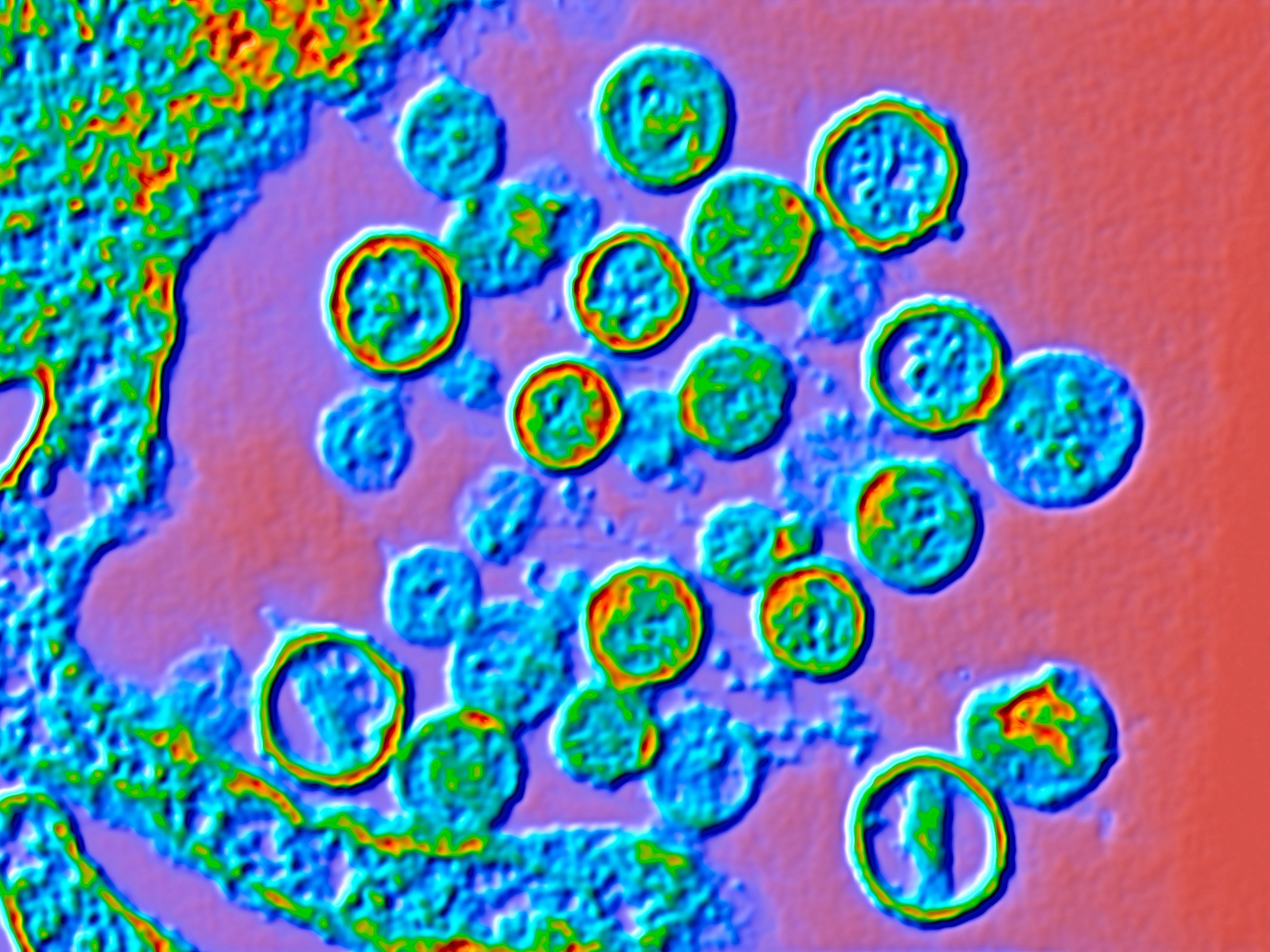
Panic is a predictable reaction when a word like hantavirus hits the headlines. When you add a cruise ship into the mix—a floating Petri dish in the eyes of many—you get a recipe for a media firestorm. The recent situation involving the MV Hondius in the South Atlantic isn't just another news cycle. It's a genuine tragedy that's left three people dead and several countries on high alert. But before we start barricading our doors, we need to look at what's actually happening and why this specific outbreak is causing such a headache for UK health officials.
The UK Health Security Agency (UKHSA) is currently working with the World Health Organization to track passengers who disembarked from the ship. It's a massive logistical puzzle. The ship set sail from Argentina in early April 2026, winding its way through Antarctica and remote islands like South Georgia. By the time it reached Cabo Verde in early May, the damage was done. We're looking at eight cases so far, with five confirmed.
Why the Andes strain changes the game
Most hantaviruses are a "dead-end" in humans. You catch it from rodent droppings, you get sick, and that's where the chain ends. It doesn't jump from person to person. But the virus involved here is the Andes strain. This is the outlier. It's the only version of hantavirus known to transmit between humans through close contact.
That’s why this isn't just a standard "don't touch the mice" warning. When you have a husband and wife falling ill, or people sharing tight cabins on an expedition vessel, the risk of person-to-person spread becomes a real variable. The experts at the European Centre for Disease Prevention and Control (ECDC) are operating on the assumption that everyone on that ship was a close contact. In a closed environment, "social distancing" is basically a myth.
The nightmare of a six week incubation window
The real reason the UK is "grappling" with this is the timeline. Hantavirus doesn't show up overnight. You can carry it for anywhere from one to six weeks before you feel a thing. By the time the first passenger died on board in April, others had already disembarked and flown home to places like the UK, Australia, and the Netherlands.
Tracing these people is a race against a clock that's already been ticking for a month. We aren't just looking for people who are sick now; we're looking for people who were exposed weeks ago and might only start showing symptoms tomorrow. It's a nightmare for contact tracers. They're dealing with 23 different nationalities.
What the symptoms actually look like
It starts like a bad flu. You get the fever, the muscle aches, and maybe some stomach issues. Honestly, if you’d just been on an expedition cruise, you’d probably blame it on exhaustion or sea sickness. But then it shifts. Within a few days, the lungs start filling with fluid. This is Hantavirus Pulmonary Syndrome (HPS), and it’s brutal. The mortality rate for severe cases is around 40%. There isn't a "cure" or a specific antiviral. If your lungs start failing, you're looking at an ICU bed and a ventilator. That's it.
Is the UK public actually at risk
The short answer is no. Unless you were on that ship or in a very small circle of people who were, you can breathe easy. The virus isn't floating through the air in London or Manchester. Even the Andes strain requires very close, prolonged contact to jump between people. It’s not like measles or COVID-19 where one person can infect a whole room by sneezing.
The UKHSA has been very direct: the risk to the general public is "very low." They're monitoring the situation because that's their job, not because we're on the verge of a national lockdown. The real focus is on the passengers who were at "bird-watching" excursions in areas where infected rodents might have been present.
Lessons the cruise industry keeps ignoring
This outbreak highlights a massive gap in how we handle health on "expedition" style cruises. These aren't your standard Caribbean hops. They go to remote, ecologically sensitive areas where people are interacting with wildlife and potentially rodent-infested structures on isolated islands.
- Pre-boarding screening is useless for long incubation periods. You can’t test for something that hasn’t "bloomed" in the system yet.
- Ventilation matters more than hand sanitizer here. If the virus is aerosolized from rodent waste, those hand-washing stations at the buffet aren't doing much.
- Communication needs to be faster. Reports suggest some passengers were getting their news from the internet before the ship's crew made official announcements. That's a fail.
If you’ve recently returned from a trip to South America or a South Atlantic cruise and you start feeling feverish, don't just "tough it out." Call 111 and mention your travel history. Early supportive care is the only thing that changes the outcome with HPS. For everyone else, keep an eye on the news, but don't let the headlines keep you up at night. This is a contained, albeit tragic, event.
Hantavirus outbreak not the start of a pandemic, says World Health Organization
This video provides a direct update from WHO epidemiologists explaining why this specific outbreak is a localized event rather than a global threat.
http://googleusercontent.com/youtube_content/1


