Markets do not care about human suffering. They care about liquidity, corporate earnings, and the cold arithmetic of survival. While geopolitical analysts track the expansion of protracted conflicts across multiple fronts, equity indices continue to shatter historical ceilings. This paradox defines the current economic cycle. Wall Street treats indefinite war not as an existential threat to civilization, but as an expensive, highly lucrative industrial baseline.
For months, financial media has struggled to reconcile two opposing realities. On one side, the global order fractures under the weight of permanent hostilities, supply chain militarization, and shifting trade routes. On the other side, retirement accounts swell and major benchmarks notch fresh highs with monotonous regularity. This is not a glitch in the system. It is the system functioning exactly as designed.
To understand why stock prices climb while geopolitical risk reaches multi-decade highs, one must abandon naive theories about markets reflecting national health. Equity benchmarks measure the fortunes of multinational corporations, not the well-being of citizens. When defense budgets balloon, technology contractors lock in multi-year procurement pipelines, and energy conglomerates restructure supply lines, corporate revenue streams widen. The geopolitical premium is priced in, absorbed, and monetized.
The Mechanics of Permanent Crisis
Modern capital markets have evolved an extraordinary tolerance for structural instability.过去的 decades taught investors that crises are temporary anomalies. The Cold War ended, regional conflicts eventually resolved, and globalization expanded unchecked. That mental model is obsolete.
We now inhabit an era of friction. Trade fragmentation, maritime choke point vulnerabilities, and state-backed cyber warfare are permanent line items on corporate balance sheets. Defense spending by major economies has surged to levels unseen since the late twentieth century. Governments are pouring trillions of dollars into domestic manufacturing, semiconductor fabrication, and military hardware.
This massive fiscal injection bypasses traditional consumer channels and flows directly into the corporate sector. When a government signs a ten-year procurement contract for missile defense systems or cybersecurity infrastructure, those revenues are predictable. Wall Street loves predictability above all else. A company with a guaranteed government contract through the next decade commands a premium valuation, regardless of whether the broader macroeconomic climate looks fragile.
Corporate Adaptation and Margin Defense
Corporate management teams adapted to chronic instability faster than macroeconomic forecasters. During the initial supply chain shocks of the pandemic era, executives learned a dangerous lesson about pricing power. They discovered that consumers and commercial clients would absorb higher costs if uncertainty remained high.
Inflation became a convenient umbrella for margin expansion. Companies raised prices past the point of input cost increases, padding their bottom lines while blaming external geopolitical forces. Profit margins at major firms remain near historical highs precisely because continuous crisis provides perpetual cover for price optimization.
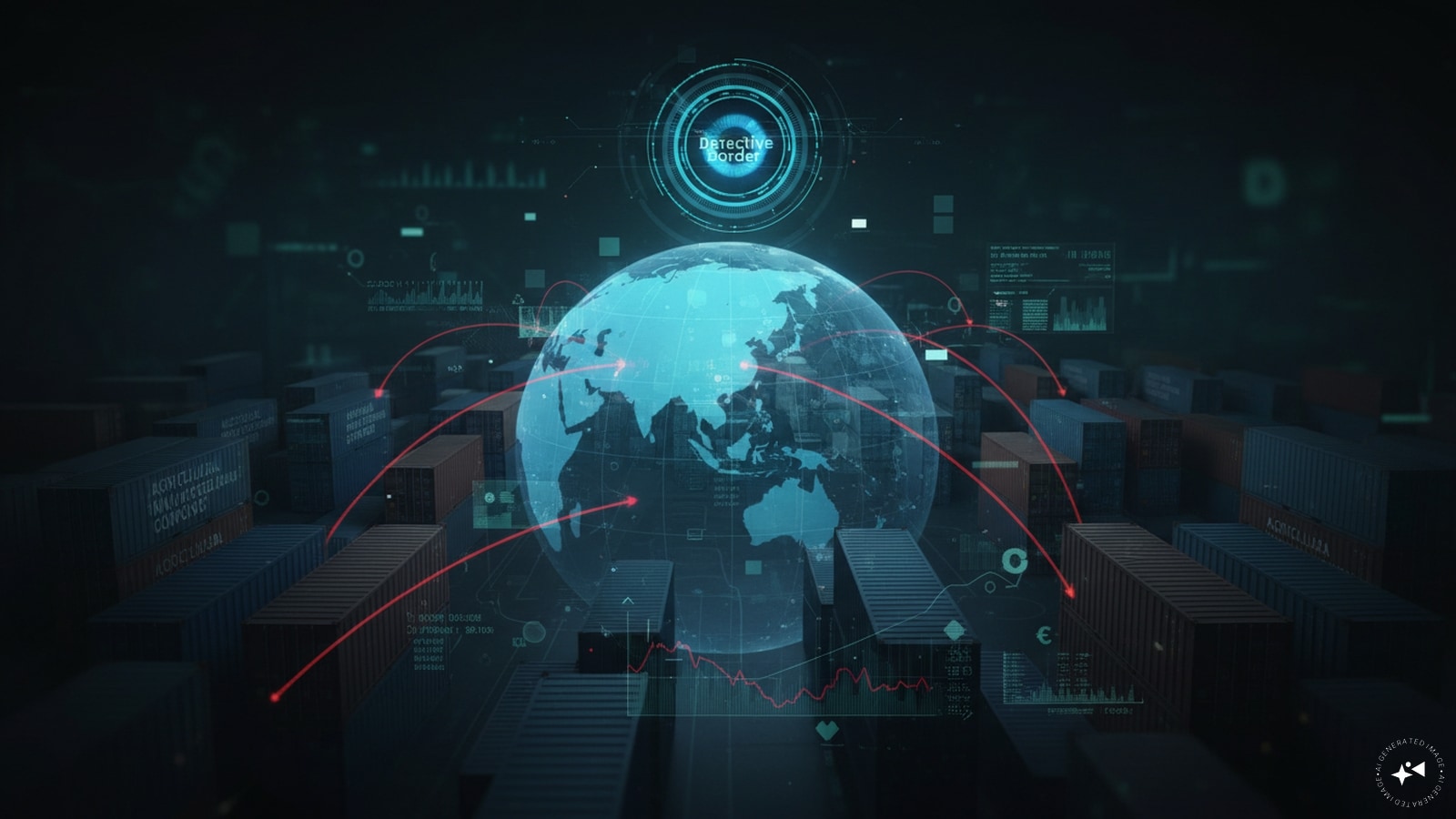
Consider how logistics firms adjusted to maritime security threats. When regional conflicts forced cargo ships to detour around entire continents rather than utilizing traditional canals, transit times lengthened and shipping costs spiked. Did this crush corporate profits? For small importers, yes. But for the consolidated shipping giants and major conglomerates controlling the primary distribution networks, the higher freight rates translated into windfall profits. The friction became the product.
The Liquidity Trap
Financial conditions remain remarkably loose despite central bank efforts to cool domestic economies. Central banks are caught in a permanent feedback loop of emergency intervention. Every time a systemic shock threatens to break the financial plumbing, monetary authorities step in with backstops, lending facilities, or rate pivots.
Investors know this playbook by heart. The central bank put is alive and well. Markets price in the certainty that if a protracted conflict triggers a severe liquidity freeze, policymakers will flood the system with capital to prevent a cascade. Consequently, asset prices remain elevated because fear of a crash is perpetually neutralized by the expectation of rescue.
This dynamic creates a bizarre distortion in wealth distribution. Ordinary households face higher costs for essential goods, housing, and energy, squeezed by the compounding effects of long-term conflict and monetary expansion. Meanwhile, asset owners watch their portfolios compound. The market rally is real, but its benefits concentrate heavily among those who hold capital assets rather than those who trade labor for wages.
The Illusion of Safety in Megacaps
The concentration of market gains among a handful of mega-capitalization technology and industrial firms tells the real story of this rally. Breadth is weak. Beneath the headline-grabbing index records lies a bifurcated market where hundreds of smaller firms struggle with high debt servicing costs and restricted credit access.
The giants, however, possess balance sheets flush with cash and insulation from regional supply shocks. They can absorb higher compliance costs, navigate complex geopolitical export controls, and outspend smaller competitors on regulatory compliance and lobbying. Indefinite war acts as a powerful weed-killer for market competition. Only the largest, most entrenched entities possess the scale to weather permanent instability.
The Mispricing of Geopolitical Risk
Financial markets are notoriously bad at pricing low-probability, high-impact tail risks until they materialize. For years, investors treated regional escalations as localized noise. That complacency has shifted into a more sophisticated, albeit cynical, pricing mechanism: the monetization of perpetual tension.
Traders no longer bet on peace. They bet on the management of conflict. As long as hostilities remain contained within specific regional boundaries and do not trigger total systemic financial contagion, capital treats the conflict as an operating cost. It is treated the same way corporations view insurance premiums or regulatory compliance expenses.
This mindset explains why equity markets shrug off headlines that once caused panic selling. A new escalation hits the newswires, oil prices spike temporarily, defense stocks jump, and the broader index absorbs the blow within hours. The market has institutionalized cynicism. It has priced in a world where conflict is the default state of affairs, leaving little room for sentimentality or long-term risk aversion.
The divergence between the macro reality of a fracturing world and the micro reality of record-breaking asset prices will eventually face a reckoning. But timing that reckoning has ruined generations of bears. Markets can remain irrational longer than economies can remain solvent, and they can remain cynical longer than societies can endure perpetual friction. The rally continues because the underlying machinery of corporate profit extraction has learned how to feed on the very instability that threatens to tear the rest of the world apart.