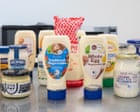
Australia’s cheapest supermarket-brand mayonnaise has routinely outperformed expensive gourmet imports in blind taste tests conducted by consumer advocacy group Choice, exposing a massive marketing illusion in our pantry aisles. When a $2 jar of home-brand egg sauce beats out artisanal European imports costing six times as much, shoppers are forced to rethink what they are actually paying for. Hint: it is rarely the ingredients.
For decades, grocery store shelves have relied on a simple psychological trick. Slap a rustic font on a glass jar, charge eight dollars, and consumers automatically assume the contents possess superior flavor. This is the economics of prestige condiments. It is an industry built on aesthetic signaling rather than culinary merit.
When independent panels put these products through rigorous, blind sensory evaluations, the veneer cracks. The highest-scoring condiments often belong to discount supermarket chains like Aldi or Coles, flying in the face of premium branding logic.
The Chemistry of the Squeeze
Understanding why a budget emulsion beats a luxury competitor requires looking inside the factory vat. Emulsification is a basic chemical process. You take oil, water, and an emulsifier—traditionally egg yolk—and beat them violently until they form a stable suspension.
Luxury brands love to pretend their process involves whisking by hand in a French provincial kitchen. They talk about free-range heritage eggs and cold-pressed oils harvested under a full moon.
Mass-market producers, conversely, use industrial homogenizers. These machines shear oil droplets down to microscopic sizes, creating a suspension that is often more stable and structurally uniform than artisanal batches.
A hypothetical example illustrates the mechanical reality: two identical jars containing soybean oil, vinegar, and pasteurized egg yolk will taste virtually identical on the palate unless one manufacturer is heavy-handed with sugar or salt.
The budget version wins not because it possesses magical properties, but because it avoids the traps of over-engineering. Premium brands frequently add trendy modifiers—white truffle oil, hints of lemon zest, or unnecessary mustard seed blends—that alienate the average palate. Simple recipes win blind tests because they cater to universal preferences for fat, acid, and salt without aromatic distractions.
The Margin Game
Why do expensive brands exist if cheap options taste better? The answer lies in retail margins.
Supermarket home brands operate on razor-thin profitability per unit. They make money through sheer volume. A major supermarket chain orders hundreds of thousands of units at a time, driving raw material costs down to pennies per jar.
National brands, on the other hand, spend massive capital on marketing, distributor slotting fees, and television commercials. When you buy a jar of premium mayonnaise, a staggering percentage of your purchase price goes toward paying for the label and the celebrity chef endorsement rather than the soybean oil inside.
Consider the distribution chain. A boutique condiment has to absorb freight costs, broker commissions, and supermarket shelf-space rental fees. To survive, the manufacturer must price the product high enough to maintain profitability despite small production runs. The consumer absorbs every layer of corporate overhead.
Meanwhile, the discount jar sits quietly on the lower shelf. It requires zero advertising budget. Word of mouth and Choice testing badges carry it through checkout lanes across the country.
Reading Between the Fine Print
Look closely at the ingredient deck of a budget jar versus an expensive counterpart. You will often find remarkable parity. Both rely on a base of vegetable oil, water, vinegar, sugar, salt, and egg derivatives.
The differences emerge in the additives used to extend shelf life and maintain texture. Premium brands sometimes swap out cheap oils for canola or olive oil blends, believing the health halo justifies the price tag. Yet, in blind taste trials, heavy olive oil variants frequently perform poorly because their robust flavor profiles overpower the neutral, creamy neutrality that consumers expect from a sandwich spread.
Consumers associate green-tinted olive oil with health and quality, but heavy phenolic compounds in extra virgin olive oil create bitterness when emulsified. A budget brand using neutral canola or soybean oil delivers a cleaner, more approachable flavor profile that scores higher among the general public.
The Death of the Brand Illusion
The persistent victory of cheap condiments in rigorous consumer trials signals a broader shift in shopper behavior. Brand loyalty is eroding under the pressure of the cost-of-living crisis. People are testing cheaper alternatives out of financial necessity, only to discover they have been overpaying for decades.
This revelation extends far beyond the condiment aisle. It forces a reckoning across the entire packaged goods sector. When store-brand cola, cleaning products, and pantry staples consistently match or exceed name-brand performance, the justification for a brand-name tax evaporates.
Supermarkets know this. They weaponize their home-brand lines to drive foot traffic, undercutting national suppliers until the traditional manufacturers are forced to produce the very home-brand items that compete with their flagship labels. Contract manufacturing is the dirty secret of the grocery industry. The exact same factory often pumps out the budget jar and the premium jar on alternate shifts, adjusting the oil ratio slightly before swapping the packaging.
Next time you stand in the condiment aisle staring at a wall of glass and marketing copy, remember what the data shows. The price tag measures the marketing budget, not the quality of the emulsion.
Grab the cheapest jar on the bottom shelf. Your palate and your wallet will agree.