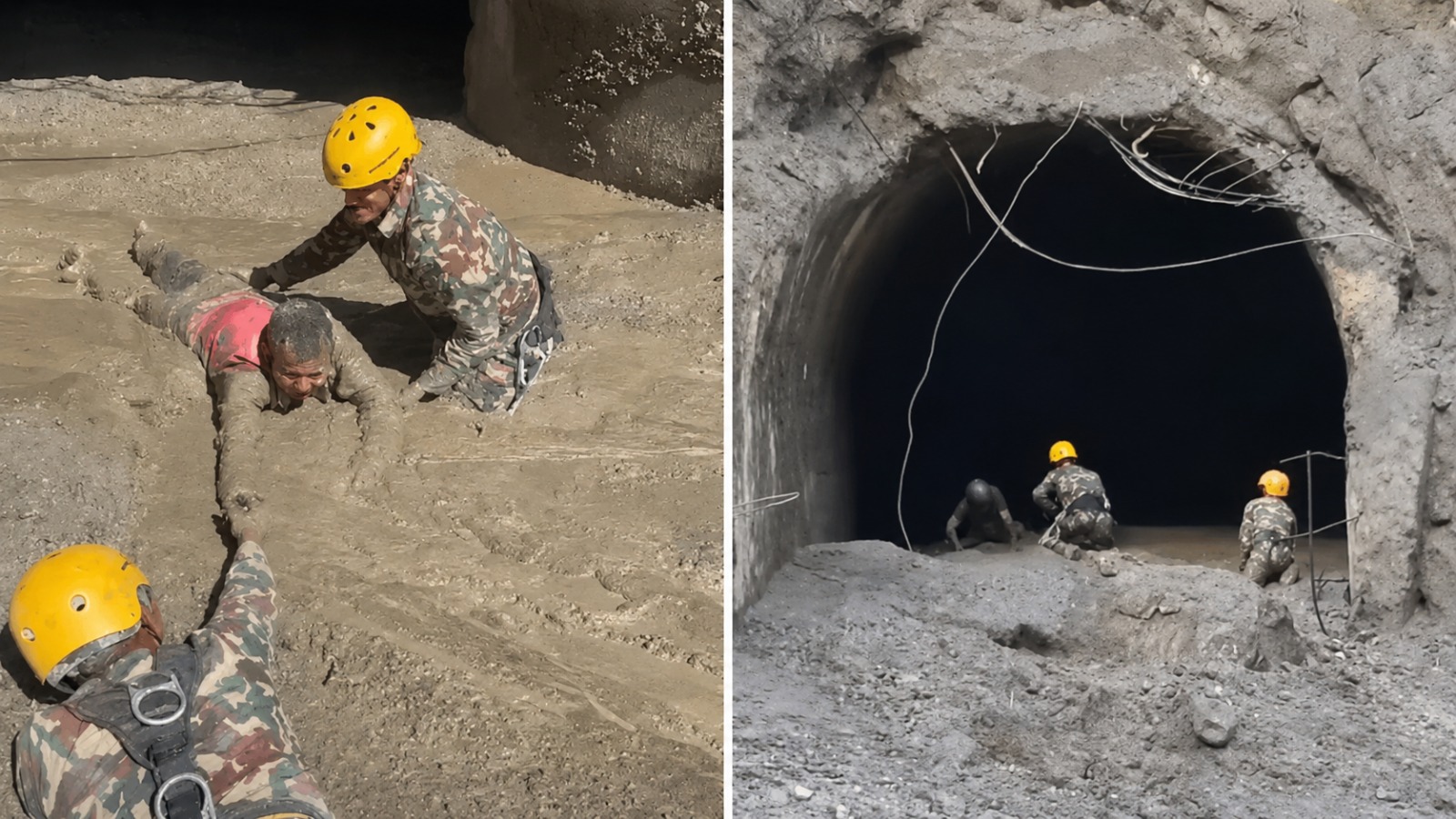
When the skies open up over the American Southwest, geography turns deadly in minutes. A dry wash transforms into a roaring wall of water without warning. That is the grim reality behind every Grand Canyon flash flood.
You read the headlines. One dead. About 15 missing. The numbers blur together on a screen.
Behind those numbers lie narrow slot canyons, massive drainage basins, and weather patterns that defy easy prediction. Most visitors show up expecting majestic views. They rarely picture rushing walls of mud and debris barreling down narrow gorges at highway speeds.
Let's look at what actually happens when disaster strikes America's most famous national park.
Why Canyon Country Punishes the Unprepared
Water moves fast here. Really fast.
Rain can fall miles away on a high plateau where the sky looks clear blue right above your head. That distant storm funnels millions of gallons of runoff into narrow subterranean channels. Gravity does the rest.
By the time you hear the roar, you have seconds to react.
I have spent years tracking wilderness safety data. The biggest misconception is that you get a warning. You do not. The National Park Service issues warnings, but nature rarely checks its smartphone before unleashing hell.
Heavy monsoon seasons turn calm creek beds into lethal torrents. Visitors underestimate the sheer scale of the drainage systems. A thunderstorm twenty miles upstream means you are sitting in the path of a natural firehose.
The Reality of Rescue Operations
Search and rescue teams face impossible odds.
When a flash flood hits the Grand Canyon, communication breaks down immediately. Cell service does not exist in the depths of the gorge. Rangers rely on satellite phones, helicopter sweeps, and grueling ground patrols.
Finding fifteen missing people in miles of winding, debris-choked canyons takes time. Every minute counts.
Rescuers put their own lives on the line navigating unstable mudbanks, rising river levels, and treacherous currents. They do not care about your itinerary. They care about survival.
You need to understand the logistics. Helicopters cannot fly if high winds or heavy rain persist overhead. Ground teams cannot cross swollen tributaries. Nature calls the shots.
How to Protect Yourself Before Disaster Strikes
Stop treating weather forecasts as mere suggestions.
If there is a fifty percent chance of rain in the forecast, stay out of narrow slot canyons and dry washes entirely. Period. Local guides know these rules by heart, yet tourists ignore them every single day chasing the perfect photo.
Here is what you actually need to do if you plan to explore canyon country:
- Check upstream weather conditions, not just the weather at your exact tourist spot.
- Talk directly to park rangers before stepping onto any trail.
- Identify escape routes immediately upon entering any drainage or wash.
- Drop heavy gear the second water starts rising. Your life is worth more than a camera.
Do not wait for a siren. There are no sirens down there.
Flash floods respect no schedules and take no prisoners. Respect the water. Stay out of the washes.