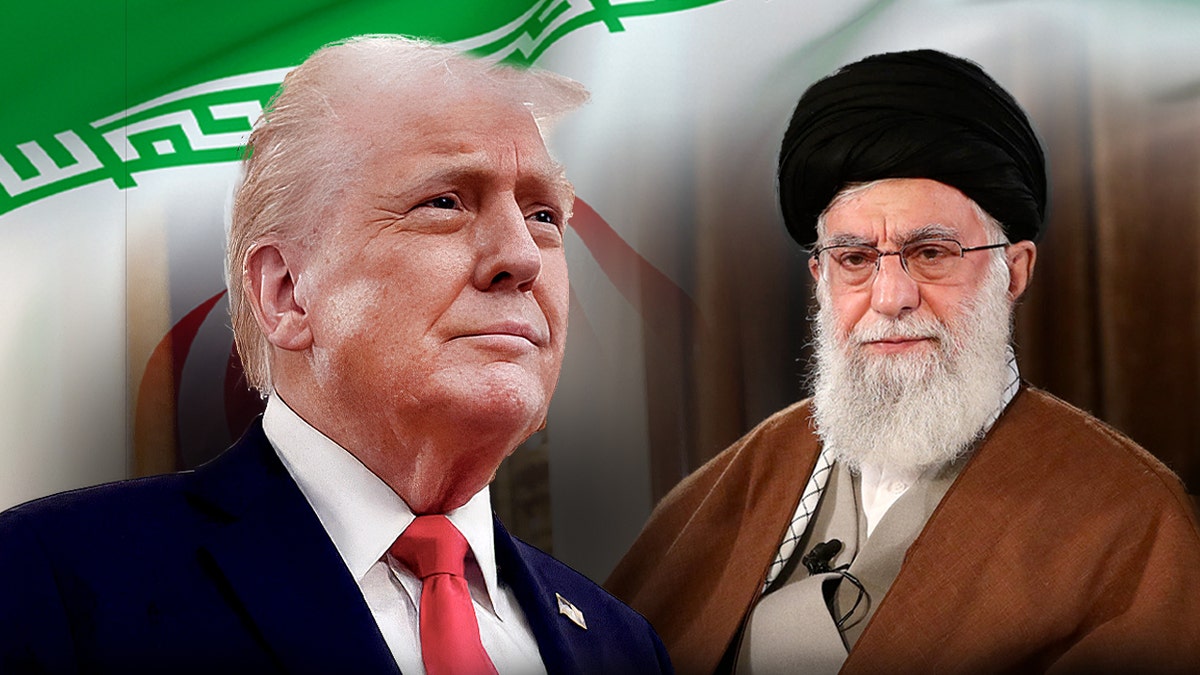
Geopolitics is the art of lying until the truth becomes too expensive to maintain. The mainstream media is currently obsessed with the latest verbal grenades thrown by Tehran—accusing the United States of "state terrorism" and "maritime piracy." They paint a picture of two ideological titans clashing over high seas morality. It’s a convenient narrative. It’s also completely wrong.
Most analysts look at the seizure of oil tankers and see a legal dispute. I see a desperate struggle for liquidity. When Iran calls the U.S. a "pirate," they aren't complaining about international law; they are signaling that the shadow banking system they use to bypass sanctions is under existential threat. On the flip side, when Washington seizes a cargo of Iranian crude, it isn't "upholding the rule of law." It is executing a hostile takeover of a competitor’s inventory to defend the hegemony of the greenback. For another look, consider: this related article.
The "ceasefire" everyone is whispering about is a phantom. You cannot have a ceasefire in a war where the primary weapon is the SWIFT messaging system and the primary battlefield is a ledger in a mid-tier Singaporean bank.
The Myth of Maritime Law
Stop pretending the United Nations Convention on the Law of the Sea (UNCLOS) matters in the Strait of Hormuz. Law is a luxury for those who don't need to choose between selling oil and starvation. Similar coverage on the subject has been published by Associated Press.
The India Today narrative suggests that these charges of piracy are escalations. In reality, they are standard operating procedures. The U.S. uses the "civil forfeiture" loophole to seize Iranian oil on the high seas, claiming the proceeds fund IRGC operations. Iran responds by seizing tankers under the guise of "environmental violations" or "navigational errors."
Let’s be precise. Maritime piracy, historically, is the act of non-state actors seizing vessels for private gain. When a superpower does it, we call it "sanctions enforcement." When a regional power does it, we call it "provocation." It is the same physical act: men with masks and rifles boarding a ship that doesn't belong to them.
The nuance missed by every major news desk is that this isn't about the oil itself. There is plenty of oil in the world. This is about price discovery and the petrodollar. If Iran successfully moves millions of barrels outside the dollar-denominated system, they aren't just selling fuel; they are eroding the fundamental value proposition of U.S. Treasury bonds. Every barrel sold in Yuan or Rubles is a brick pulled from the foundation of the American empire.
Why the Ceasefire is a Strategic Trap
The media frames a "ceasefire" or a "thaw in tensions" as a positive outcome. For a savvy observer, a ceasefire is just a period where both sides reload.
I have watched desks at major trading firms hedge against these "thaws" because they know the math doesn't add up. Iran cannot stop its proxy activities because those proxies are its only leverage. The U.S. cannot stop its seizures because doing so admits that sanctions are a paper tiger.
When the media reports that a "ceasefire is nearing its end," they are implying there was a peace to begin with. There wasn't. There was only a temporary shift in the theater of operations. Instead of kinetic strikes, we saw cyber-attacks on infrastructure and "technical delays" at shipping ports.
The Shadow Fleet Mechanics
If you want to understand the real tension, look at the "Shadow Fleet." These are aging tankers, often with expired insurance and obscured ownership, that move sanctioned Iranian and Russian oil across the globe.
- Spoofing: Tankers turn off their AIS (Automatic Identification System) or broadcast fake coordinates.
- Ship-to-Ship (STS) Transfers: Oil is moved between tankers in the middle of the night in international waters to "wash" its origin.
- Flag Hopping: Vessels switch their registration between "flags of convenience" like Panama, Liberia, or the Cook Islands to stay one step ahead of the Treasury Department.
The U.S. isn't "fighting piracy." It is playing a global game of Whac-A-Mole with a decentralized network of smugglers that are better at logistics than most Fortune 500 companies. Iran’s charges of "state terrorism" are a tactical attempt to make these seizures too politically expensive for the West to continue. They are trying to move the conflict from the water to the court of global public opinion, hoping to peel away European or Asian allies who are tired of paying a premium for energy because of Washington's "moral" crusade.
The Failure of "Maximum Pressure"
We were told "Maximum Pressure" would bring Tehran to its knees. Instead, it turned Iran into the world’s most sophisticated illicit economy.
By cutting Iran out of the global financial system, we didn't kill their economy; we forced it to evolve. They built a parallel system. They have their own clearinghouses, their own insurers, and their own buyers who don't care about the Office of Foreign Assets Control (OFAC).
The irony? The more the U.S. seizes, the more valuable the remaining "dark" oil becomes to those willing to take the risk. We have created a high-margin niche for the very enemies we are trying to bankrupt.
The India Factor
The competitor piece mentions India Today for a reason. India is the swing state in this energy war. New Delhi needs cheap energy to fuel its massive growth. Washington needs India to stay in the democratic orbit.
Iran knows this. When they scream "piracy" and "terrorism," they aren't talking to the White House. They are talking to New Delhi, Beijing, and Brasilia. They are saying: "The Americans will seize your cargo next if you don't help us build a non-Western trade bloc."
The "Big Charges" are a marketing campaign for a post-dollar world.
Stop Asking About "Peace"
People always ask, "When will the Middle East stabilize?" or "When will Iran and the U.S. finally settle their maritime disputes?"
These are the wrong questions. You are asking for a return to a status quo that no longer exists. The era of the U.S. Navy acting as the sole guarantor of global shipping is ending. We are moving toward a fragmented ocean where every region has its own "piracy" rules.
The real question is: What happens to the price of a gallon of gas when the U.S. loses the ability to seize Iranian tankers?
If the U.S. stops its "piracy," Iran's oil floods the market, the price drops, and the U.S. shale industry—which requires higher prices to remain profitable—collapses. The U.S. must keep tensions high to keep its own energy sector alive and its currency relevant.
This isn't a conflict born of hatred. It’s a conflict born of accounting.
The Brutal Reality of "State Terrorism"
When Iran uses the term "state terrorism," they are intentionally mirroring the language used against them for decades. It’s a brilliant, if cynical, rhetorical move. It forces the West to defend its actions using the same moral framework it uses to condemn its enemies.
Does the U.S. commit "terrorism" when it freezes the assets of a central bank, effectively devaluing a currency and making medicine unaffordable for millions? From a purely functional standpoint, the result is the same as a blockade. But one is a "policy tool" and the other is a "war crime."
I’ve sat in rooms where "economic warfare" is discussed as if it’s a bloodless game of chess. It isn't. It's messy, it's violent, and it’s currently failing.
The Mirage of the Ceasefire
The "ceasefire" was never a bridge to peace. It was a tactical pause. Iran used the time to harden its infrastructure against Stuxnet-style attacks. The U.S. used the time to track more "ghost ships" and build a stronger legal case for more seizures.
Don't be fooled by the high-flown rhetoric about maritime safety. The Strait of Hormuz is a giant choke point for the global economy, and currently, the person with their hands on the throat is whoever can bully the tankers into compliance.
If you're waiting for a diplomatic breakthrough, you're going to be waiting a long time. Diplomacy requires both sides to want a solution. Currently, both sides find the conflict too profitable to end. Iran gets to play the victim to its domestic audience and regional allies. The U.S. gets to maintain its "policeman of the world" status and protect the dollar's dominance.
The charges of piracy aren't an escalation. They are the new baseline.
Stop looking for the "end" of the tension. The tension is the engine that runs the current geopolitical machine. The moment the tension stops, the machine breaks. And nobody in power, in Tehran or Washington, is ready for what comes after the crash.
Oil is thicker than blood, but the dollar is stickier than both. As long as that remains true, the tankers will keep being seized, the names will keep being called, and the "ceasefire" will remain nothing more than a convenient lie we tell the markets to keep them from panicking.
The pirates aren't on the ships. They’re in the offices where the sanctions are signed and the oil futures are traded. Every "seizure" is just a transfer of wealth from one ledger to another, wrapped in a flag and sold as a matter of national security.
Wake up. The war isn't coming; it’s been happening in plain sight for forty years, and you’re the one paying the premium at the pump to fund both sides of the fight.