The air inside the storefront smells faintly of cedar chips and dry kibble, layered over a thicker, sharper scent that lingers near the low velvet ropes. You step out of the frantic hum of a Tokyo afternoon, sliding the frosted glass door shut behind you, and the city traffic vanishes.
For a heartbeat, it feels like sanctuary.
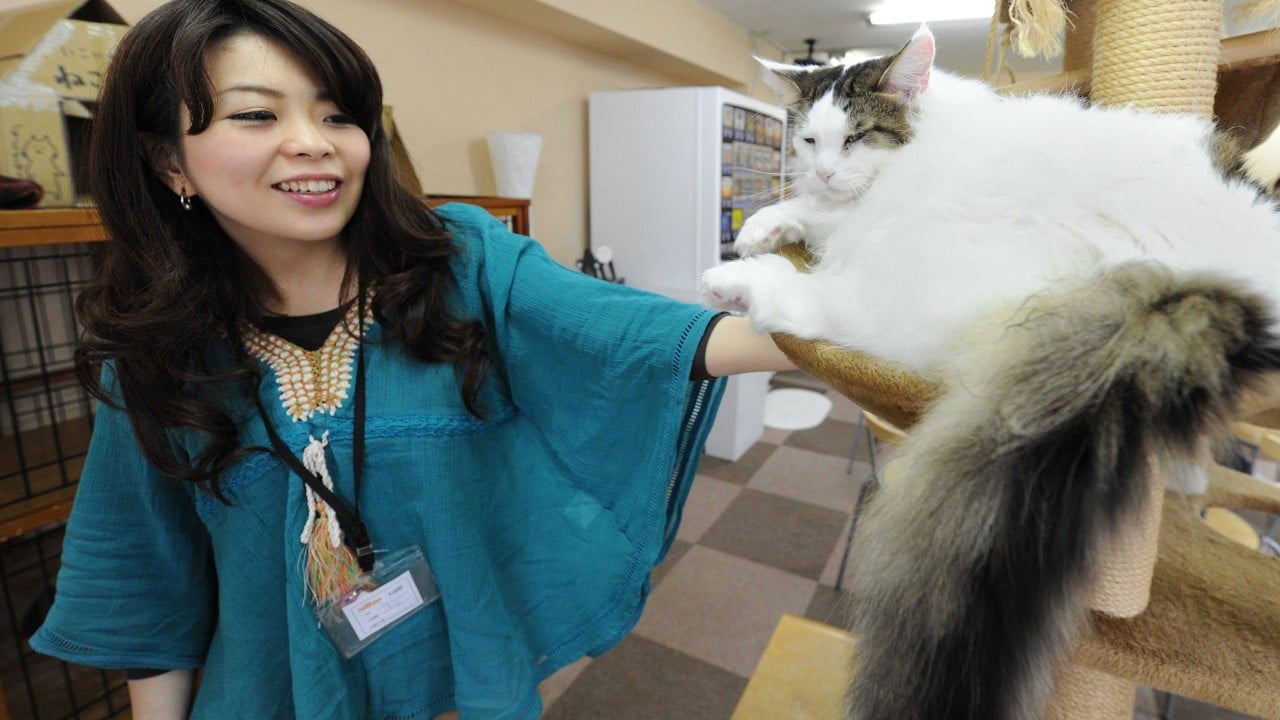
Soft jazz plays from hidden speakers. A calico cat stretches luxuriously across a wicker stool, completely unbothered by the quiet murmurs of a dozen tourists with cameras pressed to their eyes. In the corner, a tiny micro-pig snorts into a pile of shredded paper, while a row of hedgehogs sleeps under warm halogen bulbs, curled into tight, spiky fists.
It is easy to smile here. It is easy to surrender to the warmth.
(Note: This scene is a composite sketch based on common observations across urban exotic animal displays, synthesized to illustrate the initial sensory experience of entering these commercial spaces.)
Then you notice the small sign taped near the counter. It asks visitors not to wake the animals, but it sits beside a basket of treats you can buy for a hundred yen. You watch a tired-eyed owl, chained to a padded wooden perch by a thin leather anklet, blink slowly against the midday glare. Its head swivels rigidly, tracking a plastic cup of mealworms.
Something shifts. The sanctuary feel cracks.
The Velvet Trap
Behind every glowing selfie posted with a miniature hedgehog or a drowsy otter lies a quieter, heavier machinery. Tokyo has long possessed a cultural genius for miniaturization and compressed comfort. When living spaces shrink and long work hours erode the edges of community life, the longing for biological connection grows sharp. Enter the animal cafe. A brilliant commercial answer to urban loneliness.
You pay by the half-hour. You buy the right to hold, pet, and photograph creatures that would normally roam across forests, riverbanks, or open savannahs.
Government reports and welfare investigators are beginning to look past the velvet ropes. Japan is moving to probe these popular animal cafes, driven by mounting hygiene alarms and profound welfare concerns. The Ministry of the Environment faces a reckoning that has been brewing for years.
Consider the mathematics of survival for a nocturnal animal forced to live under fluorescent lights. An owl's world is built on sound and shadow. When it is prodded awake at noon by dozens of strangers eager for a soft-focus portrait, its biological clock does not adjust. It simply fractures. The stress is invisible, silent, and entirely legal under current weak oversight loopholes.
We built these places because we were lonely. We forgot to ask what it cost the animals to keep us company.
When Cute Hides the Crisis
Let us look at the mechanics of the trade. The Animal Welfare and Management Act in Japan has historically relied heavily on self-regulation and voluntary guidelines rather than strict, unannounced inspections with teeth. When a cafe features hedgehogs, otters, capybaras, or even exotic reptiles, the turnover rate of the animals can be staggering.
Animals are not inventory. Yet, in many commercial settings, they are treated with the same casual disposability as porcelain tea sets.
A former cafe attendant, speaking on condition of anonymity, described the back rooms where the creatures spend their off-hours. Stacking cages. Dim ventilation. The constant, low-frequency hum of industrial refrigerators echoing against concrete walls. The animals brought out to the pristine tatami mats for the afternoon shift are often rotated out when they show signs of fatigue, nipping at customers, or behavioral withdrawal.
And then there is the public health dimension.
Zoonotic diseases do not care about cute aesthetics. When wild-caught or exotic species are crammed into confined indoor spaces with high human traffic, the risk profile shifts upward. Bacteria, fungi, and parasites find easy bridges across species lines. Hand-sanitizer stations at the door offer a comforting ritual of hygiene, but they do nothing to address the airborne pathogens or the stress-weakened immune systems of animals living far outside their natural ecological niches.
The Weight of the Probe
Change in bureaucratic Japan moves like a glacier until it hits a wall of international scrutiny or domestic outcry. The upcoming probes and proposed regulatory tightening are not happening in a vacuum. Animal welfare advocates have spent years documenting the quiet tragedies behind storefront glass.
Stricter cage size minimums. Bans on the public handling of nocturnal or highly sensitive species. Mandatory resting periods that actually mean lights out and zero human contact. These are the adjustments currently being weighed by lawmakers and expert panels.
Some operators argue that these cafes serve an educational purpose. They claim that urban children, otherwise walled off from nature by asphalt and concrete, learn empathy through touch.
Empathy cannot be built on exhaustion.
When a child learns that an animal exists purely for their immediate amusement, whenever their parents have spare cash and thirty minutes to kill, the lesson leans away from reverence and toward consumption. True connection requires patience, distance, and respect for otherness. It requires letting wild things remain wild.
The Last Quiet Room
The glass door slides open again. A rush of exhaust fumes and the sharp clatter of train wheels pull you back into the daylight.
The calico cat fades behind the tinted glass. The owl remains on its perch, blinking into the artificial dusk.
We carry our loneliness like a stone in our pockets, searching for any soft surface to lay it down. But the answer cannot be found in a cage, no matter how clean the floor, no matter how sweet the jazz playing over the speakers. The real cost of our comfort is written in the eyes of creatures who never asked to be rented by the hour.