The air inside a luxury cabin is supposed to smell like sea salt and expensive linen. It is an engineered scent, designed to convince you that the world is wide, clean, and entirely under your control. But for the passengers drifting off the Australian coastline, the air began to taste of sterile plastic and quiet, creeping dread.
Thirteen decks of floating steel and glass had become a cage.
When the news first broke—dry, clinical, and detached—it spoke of a "repatriation effort." It mentioned a specific pathogen: Hantavirus. To the casual observer scrolling through a newsfeed, it was another logistical hurdle in a post-pandemic world. Just another ship. Just another delay. But for the people behind the portholes, the reality was a jarring collision between the ultimate vacation and a biological nightmare.
The Invisible Stowaway
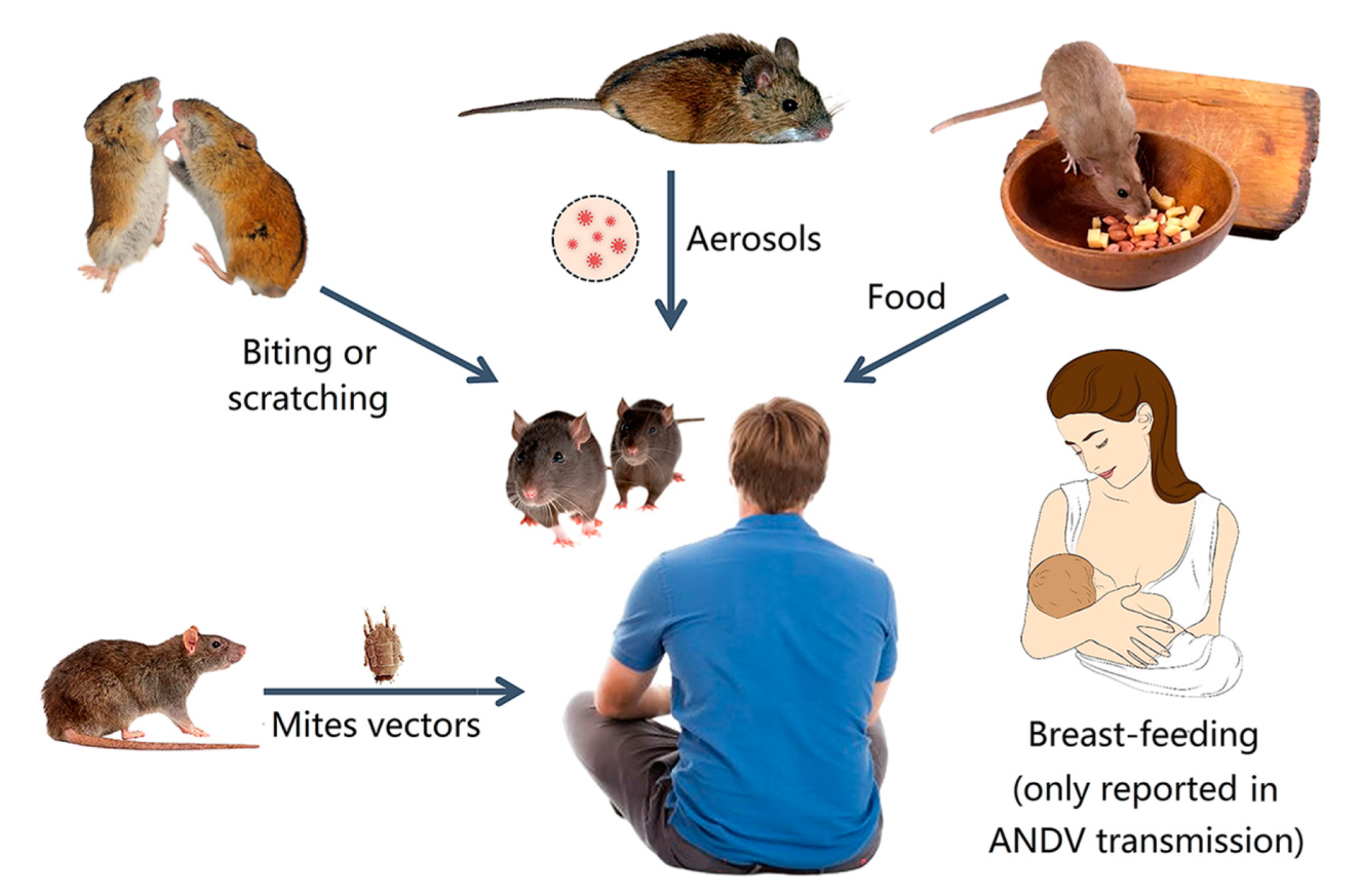
Hantavirus isn't like the common flu. It doesn't travel through a cough or a handshake in the way we’ve come to fear. It is a ghost of the wilderness, usually found in the dust of abandoned barns or the shadows of forest floors, carried by rodents. How it found its way into the pristine, recirculated air of a billion-dollar vessel is a question that will haunt maritime investigators for years.
Imagine, for a moment, an anonymous passenger—let's call her Sarah. Sarah saved for three years to afford this cruise. She wanted the sun. She wanted the buffet that never ends. Now, she sits on the edge of a king-sized bed, watching the horizon through a window she isn't allowed to open. Every time she feels a tickle in her throat or a slight ache in her lower back, her heart hammers against her ribs.
Is it the virus? Or is it the crushing weight of the unknown?
Hantavirus Pulmonary Syndrome starts with the mundane. Fever. Muscle aches. Fatigue. It mimics the exhaustion of a long trip. But then, the lungs begin to fill with fluid. The body, in its desperate attempt to fight an invader it doesn't recognize, begins to drown itself from the inside out. There is no simple pill. There is only the hope that your immune system is faster than the viral replication.
A Logistics of Mercy
The Australian government’s decision to intervene wasn't just a matter of border policy; it was a high-stakes extraction. You cannot simply pull a ship into a crowded pier when a rare, hemorrhagic-capable virus is suspected of stalking the hallways.
The operation required a surgical level of precision. It involved charter flights, specialized medical teams draped in heavy bio-hazard gear, and a complex "green zone" corridor designed to move hundreds of people from the gangway to the tarmac without a single breath of shared air with the public.
Consider the optics of that moment. One day you are wearing a floral shirt and sipping a daiquiri; the next, you are being ushered through a plastic-lined tunnel by people whose faces you cannot see, into a bus with sealed windows. The transition from "valued guest" to "biological risk" is a psychological whiplash that few are prepared to handle.
This is the hidden cost of our global connectivity. We have built a world where we can reach the most remote corners of the earth in days, but we have also built the perfect highways for pathogens that were never meant to leave the soil.
The Silence of the Cabin
The most terrifying part of an outbreak at sea isn't the siren. It's the silence.
On a normal cruise, the soundscape is a constant thrum of activity. The clinking of glasses. The muffled bass of a theater show three decks down. The laughter of children in the hallway. When a ship goes into lockdown, those sounds vanish. They are replaced by the hum of the HVAC system—the very thing you start to distrust—and the occasional, booming voice of the captain over the intercom, his tone practiced and calm, yet betraying a tremor of exhaustion.
For the Australian passengers, the wait was the true enemy. Every hour spent in that cabin was an hour of mental inventory. Did I touch that handrail? Did I stand too close to the person coughing in the elevator three days ago?
We often talk about "repatriation" as a triumph of diplomacy and national duty. And it is. But it is also a messy, frightening ordeal. It is about a father trying to explain to his eight-year-old why they can't leave the room to get a snack. It’s about an elderly couple holding hands, wondering if their final years will be defined by a headline they never expected to be in.
The Fragility of the Bubble
The cruise industry is built on the illusion of the "bubble." It is a controlled environment where the messiness of the world is filtered out. You are safe. You are fed. You are entertained. But the Hantavirus incident serves as a brutal reminder that the bubble is made of thin glass.
Biology does not care about your itinerary. It does not respect the "all-inclusive" nature of your ticket.
As the charter planes touched down on Australian soil and the passengers were whisked away to quarantine facilities or specialized hospitals, the narrative shifted from "rescue" to "containment." The relief of being home was immediately tempered by the reality of being watched. Blood tests. Temperature checks. The constant surveillance of one's own breathing.
We like to think we have conquered the world with our technology and our massive engines. We believe that we can sail through any storm. But sometimes, the storm isn't on the horizon. Sometimes, the storm is microscopic, hiding in the dust, waiting for us to breathe it in.
The lights of the ship still twinkle on the water, a ghost of the luxury it promised. Back on land, the survivors begin the long process of decompressing, not from a vacation, but from a brush with a reality we usually choose to ignore. They are home, yes. But the ocean breeze will never quite smell the same again.