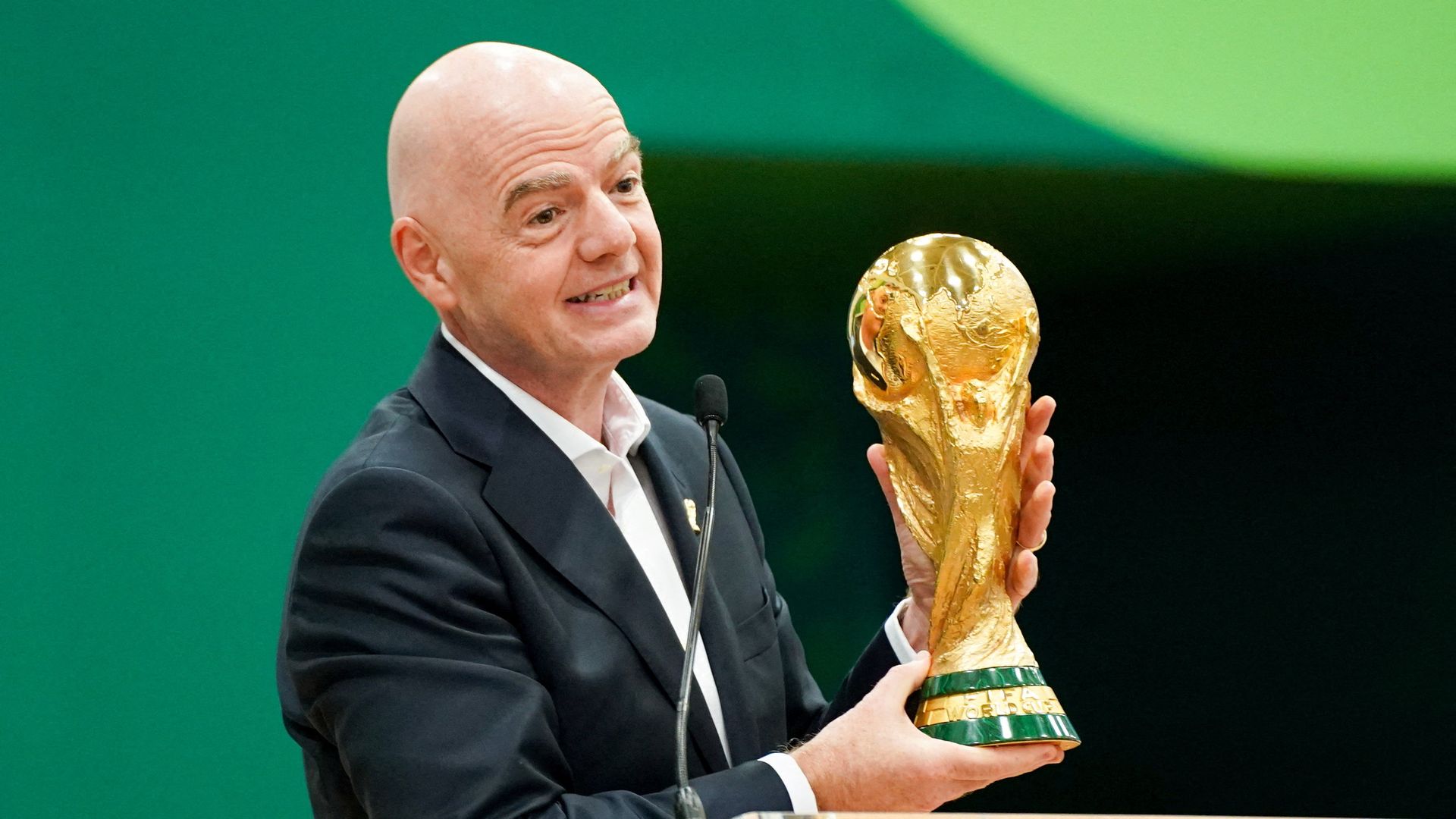
FIFA president Gianni Infantino recently offered a simple prescription for online toxicity: meditate, pray, or watch football instead of spreading hate. It sounds like a benign public service announcement from a benevolent sports executive. The reality is far more transactional. When the head of global football tells billions of people to channel their grievances into consuming more matches, he is not just preaching digital harmony. He is protecting a multi-billion-dollar monetization engine that relies entirely on audience retention.
Online abuse targeting players, referees, and officials has reached critical mass across every major social platform. Racist tirades, death threats, and coordinated harassment campaigns follow almost every high-stakes fixture. Governing bodies face mounting pressure from players unions and civil rights groups to implement structural changes. Infantino responds by shifting the burden of behavioral moderation away from FIFA and tech algorithms, dumping it directly onto the consumer. Turn off the toxic comments. Tune into the broadcast. Buy another subscription package.
To understand why this strategy falls flat, we have to look past the moral framing and examine the structural mechanics of modern football governance. FIFA does not exist in a vacuum of pure sportsmanship. It operates as a commercial monopoly fueled by attention economies. When Infantino suggests that watching football is an antidote to social malice, he completely ignores the fact that modern football fandom is heavily intertwined with the exact digital ecosystems breeding that malice.
The Commercial Architecture of Outrage
Social media platforms and sports leagues share a symbiotic relationship built on constant engagement. Controversy drives impressions. Impressions drive advertising revenue. When a controversial refereeing decision or a player blunder occurs, digital platforms light up with extreme rhetoric because algorithms reward polarization.
FIFA benefits directly from this heightened state of emotional investment. Passionate fans buy merchandise, subscribe to streaming services, and travel to international tournaments. Yet, when that passion curdles into targeted harassment, football administrators distance themselves from the consequences. Suggesting that users meditate or watch a match instead of spreading hate treats a systemic governance failure as a personal lifestyle choice.
Consider the economic model behind broadcasting rights. Broadcasters pay astronomical fees for matches based on audience size and engagement metrics. If a fan spends ninety minutes screaming abuse on X or Instagram, they are still occupying a headspace dedicated to the sport. Infantino's call to action is essentially a corporate directive to redirect that engagement back into approved commercial channels. Stop generating liability for tech companies. Start generating ratings for FIFA partners.
Where Preaching Fails Policy
Real institutional reform requires capital, legal teeth, and genuine accountability. It requires football federations to fund robust legal teams dedicated to identifying and prosecuting online abusers, rather than relying on automated reporting tools that barely scratch the surface. It requires withholding tournaments from nations that fail to protect visiting players and fans from systemic discrimination.
Instead, we get rhetoric. Preaching mindfulness from the summit of international sports administration sounds hollow to players who receive daily death threats on their verified profiles. Meditation does not shield a twenty-year-old athlete from racist abuse hurled by tens of thousands of anonymous accounts. Prayer does not rewrite the algorithms designed to amplify outrage.
Infantino's approach reflects a broader trend among executive leadership across industries. Corporate entities prefer cosmetic moralizing to expensive structural interventions. A press release or a social media campaign costs very little. Hiring investigators, restructuring tournament bids, or enforcing strict liability on federations costs millions and risks political friction with member associations.
The Hypocrisy of Global Expansion
The timing of these moral appeals also deserves scrutiny. FIFA continues to expand its tournament calendar, adding more matches, more teams, and more broadcast windows to an already saturated global schedule. Players are speaking out about physical and mental exhaustion, warning that the relentless accumulation of fixtures compromises their health and the quality of the game.
When Infantino tells people to watch football instead of spreading hate, he is simultaneously advocating for a calendar that leaves players with almost no time to recover. More matches mean more opportunities for high-stakes failure, which in turn triggers more online backlash. The governing body creates the conditions for exhaustion and stress, fuels the competitive intensity that drives aggressive behavior, and then acts surprised when the digital pressure cooker explodes.
You cannot engineer a high-stress, high-stakes global entertainment product and expect consumers to remain tranquil monks. Football is built on tribalism, passion, and emotional investment. Channeling that energy requires structured outlets and strict behavioral boundaries, not vague suggestions to watch another ninety minutes of commercial television.
Moving Past Corporate Paternalism
The digital harassment crisis in sports will not be solved by wellness tips from executives earning multi-million dollar salaries. It requires a hard look at how tournaments are marketed, how federations police their own supporters, and how tech companies monetize abuse.
When football administrators refuse to implement real consequences for abusive behavior, they signal that revenue matters more than human dignity. Telling people to pray or watch a game is an evasion tactic. It shifts responsibility from the institutions holding the power to the individuals absorbing the pressure.
As long as the bottom line depends on maximum emotional extraction from fans, the toxicity will remain a feature of the ecosystem, not a bug. No amount of meditation will change that equation.