The air inside the living room smells faintly of stale popcorn and anxiety. It is 3:00 AM in Seoul, midday in Los Angeles, and twilight in Munich. Across three different continents, three separate people are staring at the same glowing rectangle, their hearts beating in a synchronized, frantic rhythm. They are not watching a mere game. They are watching a four-year distillation of human hope, geopolitical pride, and the fragile mechanics of destiny.
Every four years, the world pretends football is just a sport. We analyze the 4-3-3 formations, we debate the merits of a high press, and we memorize the broadcast schedules like corporate standard operating procedures. Fox, Telemundo, BBC—the logos change, but the dry dissemination of data remains the same. They will give you the kickoff times. They will list the 48 teams, a bloated roster sprawling across three massive nations: Canada, Mexico, and the United States. They will tell you that the tournament kicks off at the historic Estadio Azteca in Mexico City and concludes beneath the hyper-modern canopy of MetLife Stadium in New Jersey.
But the charts and the spreadsheets miss the entire point.
The cold data cannot capture the invisible weight resting on the shoulders of a twenty-two-year-old midfielder standing in the tunnel, listening to the muffled roar of eighty thousand people who view him not as a athlete, but as a vessel for national redemption. To truly understand the 2026 World Cup, you have to stop looking at the bracket and start looking at the scars.
The Weight of the Seven-Point-Three-Two Meters
Consider the goalmouth. It measures exactly 7.32 meters wide and 2.44 meters high. To a casual observer flipping through a television guide on a Tuesday afternoon, it looks immense. To a goalkeeper facing a penalty kick in the ninety-fourth minute of a knockout match, that space expands into an infinite, terrifying void where careers go to die.
Every match in this tournament is an exercise in high-stakes psychology. For the first time, forty-eight nations are entering the arena. This expansion is not just a logistical headache or a television rights bonanza; it is an emotional volatile cocktail. For countries like Canada, hosting matches on home soil in Toronto and Vancouver, the tournament is a desperate bid for permanent relevance in a sporting culture historically dominated by ice and iron. For Mexico, it is a chance to reclaim the mystical aura of the Azteca, a cathedral where Pelé and Maradona previously cemented their godhood. For the United States, it is a multi-billion-dollar mirror reflecting the country’s fractured relationship with the global game.
The broadcasters will tell you to tune in at 4:00 PM Eastern Standard Time for the group stage matches. What they won't tell you is how to survive the silence that follows a missed penalty.
I remember sitting in a crowded pub during a previous tournament, the air so thick with sweat and beer you could taste it. When the local hero struck the post, the entire room didn't scream. It gasped. A collective, visceral intake of breath from two hundred strangers who suddenly realized their summer had just been ruined. That is the currency of the World Cup. It does not trade in points; it trades in collective trauma and ecstatic euphoria.
The Men Who Would Be Gods
We must talk about the protagonists of this narrative, because a tournament without icons is just twenty-two people chasing a piece of synthetic leather across a patch of grass.
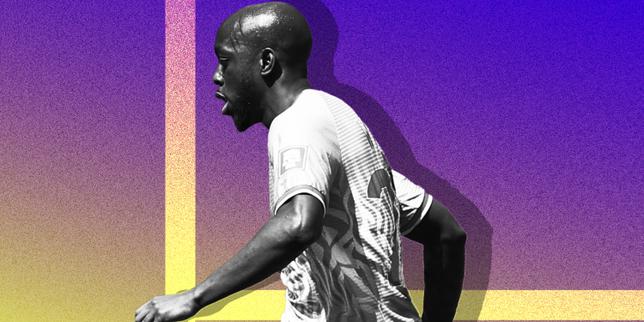
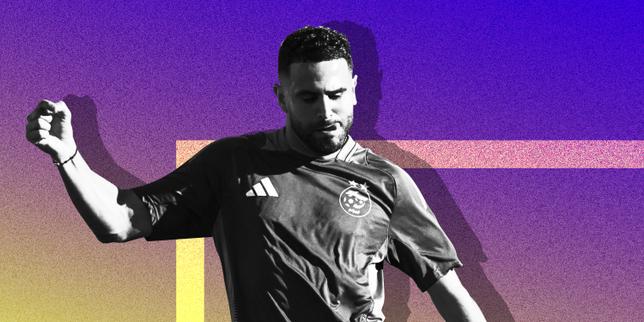
The media machine wants you to focus on the statistical anomalies. They want you to look at Erling Haaland, a goal-scoring cyborg built in a Scandinavian laboratory, or Kylian Mbappé, whose speed makes professional defenders look like they are running through wet cement. But the real story lies in the twilight of the titans and the terrifying dawn of their successors.
Think about the psychological state of a player like Jude Bellingham. At an age when most young adults are still trying to figure out how to file their taxes or survive a corporate entry-level job, Bellingham carries the collective neuroses of an entire nation. England has been marooned in a desert of near-misses since 1966. Every tournament is a agonizing rerun of a movie everyone has seen before: tactical rigidity, penalty heartbreak, and media evisceration. Bellingham does not just play against the opposing team; he plays against the ghosts of Bobby Moore, Paul Gascoigne, and David Beckham.
When you watch him on your screen—whether you are streaming it on a phone during a lunch break or watching a 4K broadcast on a massive home theater system—look closely at his eyes during the national anthem. You are watching a young man willingly step into a meat grinder.
On the flip side of this youthful audacity is the heavy, melancholic reality of the veterans. For a generation of icons, the 2026 tournament represents the final, desperate closing of a competitive window. The legs are heavier now. The recovery times are longer. The ice packs are larger. Every sprint is a calculated negotiation with their own biology. They know that a single torn muscle fiber doesn't just mean a few weeks on the sidelines; it means the permanent end of a lifelong dream.
The Logistics of Obsession
The sheer scale of this tournament is an existential threat to the casual viewer's sanity. Sixty-four matches have become one hundred and four. The group stage is a relentless, suffocating wave of football that will wash over the globe for weeks.
To help navigate this madness without losing your job or your mind, consider this structural breakdown of how the chaos will unfold across the three host time zones:
| Region / Zone | Primary Stadiums | The Human Subtext |
|---|---|---|
| Pacific Coast | Vancouver, Seattle, San Francisco, Los Angeles | Matches played here will require European audiences to stay awake until dawn, testing the limits of devotion and caffeine addiction. |
| Central Corridor | Guadalajara, Mexico City, Monterrey, Houston, Dallas, Kansas City | The furnace. The humidity of Texas and the crushing altitude of Mexico City will turn these games into brutal wars of attrition. |
| Eastern Seaboard | Atlanta, Miami, Toronto, Boston, New York/New Jersey, Philadelphia | The corporate heart and the site of the ultimate judgment. The final will take place here, under the unforgiving glare of the global media capital. |
Understanding this layout is not about knowing where to book a hotel room; it is about understanding how geography dictates destiny. A team forced to travel from the damp coolness of Seattle to the suffocating summer heat of Houston in the span of four days is a team facing a physiological crisis. The tournament is as much a triumph of sports science and physical therapy as it is of tactical brilliance.
The Unseen Spectators
But let us move away from the luxury boxes and the pristine pitches. Let us walk down the concrete steps of the stadiums and out into the cities that surround them.
The commercial broadcasts are designed to clean the edges. They show beautiful drone shots of the Manhattan skyline or the sun setting over the Pacific. They filter out the friction. But the friction is where the truth lives.
Imagine a kitchen worker in a restaurant three blocks from the stadium in Dallas. He will not see a single minute of live action. He cannot afford the tickets, which have been commodified into luxury assets for the global elite. Yet, his entire month is dictated by this event. His commute is doubled. His shifts are extended. He hears the roar of the crowd through the exhaust vents of the kitchen, a distant, metallic thunder that signifies someone’s joy or someone’s ruin.
He is as much a part of the World Cup ecosystem as the forward who scores the winning goal. The tournament is a massive, temporary colony dropped onto existing urban realities, creating a strange, fleeting ecosystem where wealth, poverty, passion, and indifference collide.
This is the vulnerability of the modern fan. We know the system is flawed. We know the governing bodies are corrupt, that the commercialization is obscene, and that the ticket prices are an insult to the working-class people who built this sport. We complain about it constantly. We write articles, we post tirades, and we swear we will boycott the spectacle.
Then the referee blows the whistle. The ball moves. And all our righteous indignation evaporates into the summer air.
We are powerless against the narrative. We want to see if the underdog from an island nation can defy the odds and defeat a superpower built on oil money. We want to see if the tortured genius can finally lift the golden trophy and find the peace that has eluded him his entire life. We watch because football is one of the few remaining arenas where human drama cannot be scripted, where the billionaire can cry and the pauper can triumph, even if only for ninety minutes.
The Final Whistle
When the tournament eventually narrows down to those final two teams in New Jersey, the noise will reach a crescendo that is genuinely difficult to comprehend.
The broadcast will cut to commercial. The commentators will deliver their rehearsed monologues. The stadium lights will catch the confetti as it rains down on the pitch, covering the grass in a layer of artificial silver and gold.
One man will be holding the trophy, his face contorted in an expression that looks dangerously close to agony because the relief of winning is often more intense than the joy of it. A few yards away, another man will be sitting on the grass, his shirt pulled over his face to hide his tears, entirely alone despite being surrounded by eighty thousand people and watched by billions.
The television screens will eventually go dark. The fans will leave the stadiums, leaving behind a sea of plastic cups and discarded flags. The world will return to its standard, fractured rhythm. But for those few weeks in the summer of 2026, we will have looked into the goalmouth and seen exactly what we are capable of feeling when everything is on the line.