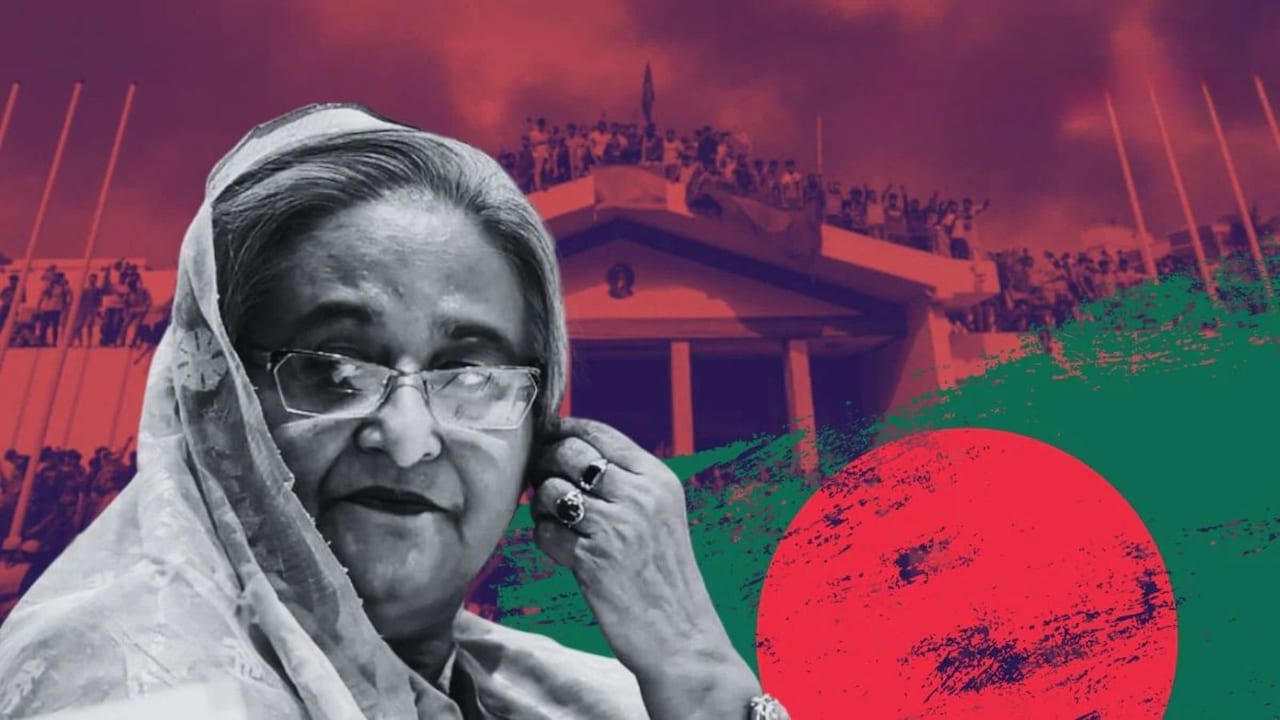
The screen flickered. In a cramped apartment in Mirpur, a young student stared at his phone, breathing shallowly through a clenched jaw. The audio was clear, albeit digitized, carrying a familiar, commanding cadence that had ruled the streets of Bangladesh for a decade and a half. Sheikh Hasina was speaking. She was gone, displaced by a historic student-led uprising that had stained the summer of 2024 with blood and forced her onto a helicopter bound for India, yet here she was, echoing through social media feeds like a ghost refusing to stay buried.
Fury was immediate. It was tangible. Within minutes, digital outrage spilled over into physical streets. Expanding on this theme, you can also read: The End of the Mirage When Overseas Runaways Face the Music.
To understand why a simple audio clip could nearly ignite Dhaka all over again, you have to understand the weight of memory. You have to remember the smell of tear gas mixed with dust on university campuses, the sound of glass shattering, and the unbearable grief of families whose children never came home from the protests. When a fallen leader broadcasts a rallying cry from across the border, accusing opponents of terrorism and demanding political resurrection, it is not merely political speech. It is a match struck near an open gas valve.
History teaches us that ousted autocrats rarely accept the silence of exile. They cling to the architecture of power they spent decades constructing. Analysts at TIME have provided expertise on this matter.
Consider the mechanics of modern political survival. Exile used to mean isolation. It meant writing memoirs in quiet European villas or broadcasting on weak shortwave radio frequencies that crackled with static. Today, a smartphone and an internet connection erase geography entirely. A digital audio file becomes a weapon of mass mobilization. When Hasina's voice surfaced online, calling for supporters to gather and honor fallen national figures, the administration currently steering the interim government froze. They saw a security threat. The streets saw a provocation.
The tension escalated swiftly. Protesters, still raw from the casualties of the July uprising, flooded the intersections. They chanted slogans demanding justice, accountability, and a permanent end to autocratic rule. Banners fluttered in the humid air, bearing the faces of the slain. Every honking rickshaw and shouted slogan carried an undercurrent of anxiety. Could the old regime return through the back door of digital manipulation and loyalist networks?
Fear is a powerful motivator. It alters how a society breathes.
In the days following the virtual resurgence, the interim government took a hard line, warning platforms and individuals against spreading the audio or aiding what they termed seditious incitement. They argue that stability is fragile, that the nation is walking a tightrope between democratic transition and chaotic relapse. Critics, meanwhile, point to the delicate balance of free expression, wondering where the line sits between silencing a dangerous agitator and suppressing political discourse altogether.
Yet, looking at the faces of the young men and women guarding street corners at midnight, the debate over legal definitions feels abstract. For them, this is about survival. It is about whether the sacrifices of their peers were meant to usher in a new era or merely pause an old cycle of impunity.
The audio file has stopped playing, but the echoes remain trapped in the concrete canyons of the capital. Silence is not peace. Sometimes, it is just the quiet hum of a server waiting for the next upload, and a populace waiting to see if the past will break down their door.


