Salt crusts on your boots long before you ever smell the southern ocean.
When you step ashore on Kangaroo Island, the wind does not merely blow; it hits with the weight of an unremembered century. It smells of eucalyptus, ancient limestone, and a strange, lingering absence. For more than two centuries, this windswept slab of granite off the coast of South Australia carried a quiet, living ghost.
They came from the hold of a wooden ship.
In 1802, French explorer Matthew Flinders stepped onto these pristine shores. He did not come alone. With him were livestock intended to stave off scurvy and starvation—pigs, dropped onto the sand like living provisions for future wayfarers. Flinders likely thought nothing of it. Explorers dropped animals on islands all the time. It was an insurance policy written in flesh and bone.
Save. Delete. Repeat. Nature, however, does not work like a spreadsheet.
By the time those first squealing passengers hit the dirt, an ecological timer started ticking. Two hundred and twenty-four years. Think about that span of time. Entire empires crumbled, digital codes replaced paper money, and humanity learned to look back at Earth from the cold vacuum of space. Yet, through all of it, down among the thick mallee scrub and the wind-stiffened grasses, descendants of those 1802 castaways kept digging, rooting, and breeding.
They were feral pigs. And they were rewriting the island piece by piece.
The Anatomy of an Invasion
To understand what happened next, you have to look down. Not at the horizon, but at the soil.
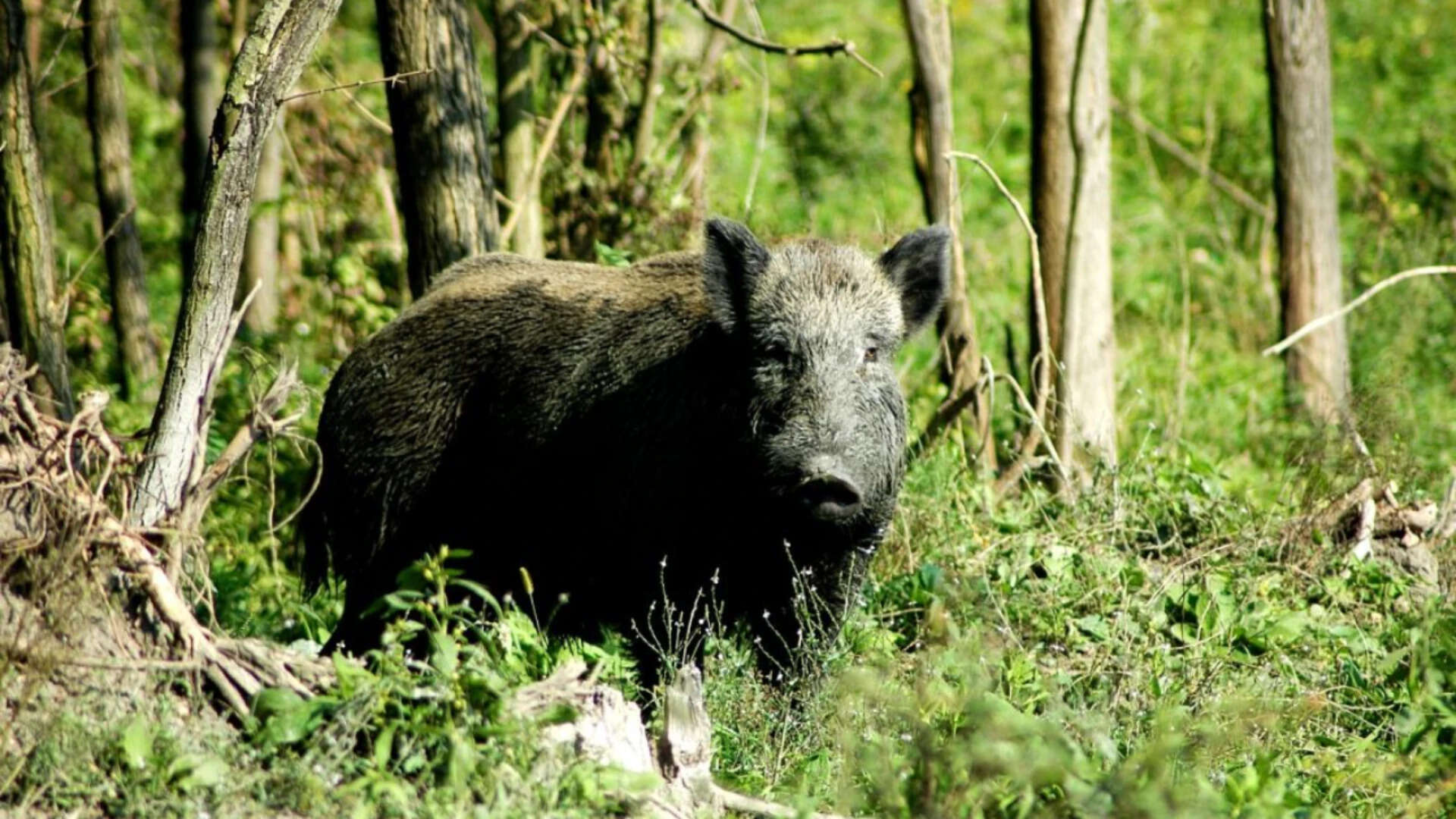
Imagine walking through a forest where the ground looks like it has been systematically bombed by tiny, determined artillery shells. That is what a feral pig does to a landscape. They do not just eat; they excavate. Their snouts are biological ploughs, designed to turn over leaf litter, shatter root systems, and unearth subterranean treasures like rare orchids, tubers, and the fragile nurseries of ground-dwelling birds.
(Note: When I describe the soil as a bombed site, I am using a metaphor to capture the sheer scale of mechanical disruption these animals inflict on a delicate understory.)
I remember standing on the edge of a protected reserve years ago, watching a conservation scientist named Arthur run his boot over a patch of freshly churned earth. Arthur had salt in his beard and deep lines around his eyes—the kind carved by decades of staring into the teeth of losing battles.
"People think of a pig as a farm animal," Arthur told me that afternoon, his voice barely cutting through the roar of the Bass Strait winds. "They picture a pink thing in a muddy pen eating slops. Wrong. You drop a domestic pig into the wild for a few generations, and its coat darkens, its tusks grow, and its muscle turns to iron. It becomes an apex engine of destruction."
The mathematics of the problem were brutal. A single sow can produce multiple litters a year. Without natural predators—no dingoes or large carnivores made it to Kangaroo Island in numbers sufficient to check their growth—the population surged in hidden cycles. They competed directly with native marsupials for food, crushed the nesting sites of endangered shorebirds, and carried diseases that threatened local fauna.
Every year they stayed, the island’s memory faded a little more. The original ecosystem, finely tuned over millennia of isolation, was being chewed down to the bedrock.
The Long, Cold Work of Erasure
Erradication sounds clean in a press release.
A government department announces a multi-million-dollar initiative. Maps are drawn. Drones hum in the salt-heavy air. Headlines flash across international screens: Australia removes centuries-old pest from iconic island.
It makes for a neat story. But reality is messy, sweaty, and soaked in exhaustion.
The campaign to rid Kangaroo Island of feral pigs was not a single battle. It was a grinding, methodical war of attrition fought by people who spent months sleeping in tents, tracking footprints through impenetrable brush, and working in terrain that actively fought their presence.
Consider what happens next in an operation of this scale: you cannot just shoot your way out of a biological crisis. The smart animals learn. The ones that survive the first wave become ghost-like—nocturnal, hyper-vigilant, vanishing into ravines at the faint click of a twig.
Tracker teams deployed thermal-imaging scopes, GPS-collared Judas pigs (animals released to lead hunters straight to the remaining hidden sounders), and years of coordinated ground sweeps. It required patience that borders on the ascetic. Imagine walking twenty miles a day through coastal scrub, soaked by horizontal rain, knowing that missing a single pregnant sow means the entire multi-million-dollar slate gets wiped clean and the numbers start climbing again.
There were moments of despair. After catastrophic bushfires swept through Kangaroo Island, turning vast tracts of habitat into charcoal, the crisis shifted. The pigs, desperate and starving, concentrated in the unburnt refuges, accelerating the destruction of the very plants and animals desperately trying to regenerate from the ash.
It felt, for a long time, like watching a slow-motion train wreck you were powerless to stop.
The Return of Silence
And then, the math finally caught up.
The last known feral pigs on Kangaroo Island were tracked down and removed. Two hundred and twenty-four years after Matthew Flinders opened his ship's gates, the ledger was balanced.
When news broke, there was no ticker-tape parade. Just a quiet sigh of relief from ecologists, rangers, and traditional custodians who understood what had been saved.
I went back last autumn.
The wind still bites your cheeks when you walk the southern cliffs. The ocean still crashes with the same ancient fury against the limestone stacks. But the ground has changed.
Walk through the recovery zones now, and you notice the stillness. Not an empty stillness, but a full one. The leaf litter is intact. Native orchids, long suppressed by the relentless turning of the soil, are pushing purple and yellow heads up through the grey moss. Small marsupials—critically endangered Dunnarts and bandicoots—are creeping back into niches they were driven out of decades ago.
Nature heals slowly, but she heals when you take the heavy boot off her throat.
We left a mark in 1802. It took over two centuries of sweat, science, and stubborn human will to rub it out. As the sun dips below the horizon, painting the Southern Ocean in bruised shades of violet and gold, the island feels lighter. It is breathing again, entirely on its own terms.