Silence.
That is the first thing you notice when a multi-million-dollar cruise ship sits idle in tropical waters—not the lapping of waves against the hull, not the distant hum of a commercial port, but the heavy, suffocating quiet of a place built for thousands of laughing strangers that holds none at all.
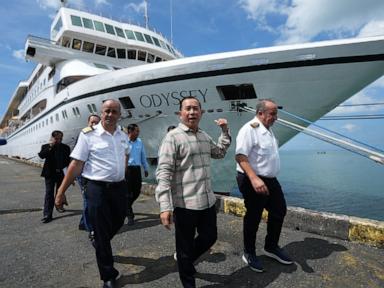
In February 2020, the MS Westerdam spent nearly two weeks wandering the South China Sea like a modern Flying Dutchman, rejected by five ports over pandemic fears before Cambodia finally opened Sihanoukville to let its passengers come ashore. Nearly six years later, history returned to that exact same port in a strange, quiet mirror image. This time, the ship was the Villa Vie Odyssey. This time, there was no global contagion locking the gangways. And when the Odyssey finally slipped its moorings and left Cambodia behind, it carried a cargo of precisely zero passengers.
To understand how a vessel promised as the ultimate escape from landlocked life became an empty steel shell drifting out of Sihanoukville, you have to look past the maritime tracking data and into the human gamble of selling eternity on the water.
The Architecture of a Forever Voyage
Consider a hypothetical couple—let us call them Arthur and Claire, both in their late sixties, sitting at a kitchen table in Ohio with a stack of brochures and a lifetime of modest savings. They are not billionaires with superyachts moored in Monaco. They are retired teachers, mid-level engineers, and small-business owners who spent forty years deferring joy for a calendar date that finally arrived. When Villa Vie Residences began marketing the Odyssey, it did not sell a vacation. It sold a permanent address on the horizon.
The pitch was intoxicatingly simple. Why pay property taxes, shovel snow, or stare at the same drywall when you could buy a cabin for a fraction of a suburban home's price and wake up in 425 ports across 147 countries over a continuous three-and-a-half-year loop?
I have spent years covering the turbulent waters of residential cruising and niche maritime ventures, and I have watched this exact dream seduce smart, cautious people over and over again. There is a distinct psychological gravity to the "world cruise" model. On land, aging feels like a slow narrowing of walls. At sea, every morning offers a new coastline. You do not just buy square footage; you buy the illusion that time itself can be outrun if you simply keep moving west.
Yet beneath the glossy renderings of sunset yoga decks and starlit dining rooms lies one of the most unforgiving businesses on earth. Running a cruise ship is not like managing a condominium building. A condo does not burn tens of thousands of dollars in marine fuel every twenty-four hours just to keep the air conditioning running. A condo does not face international maritime inspections that can detain the entire building with a single clipboard signature.
When the Steel Meets Reality
To grasp what happened to the Odyssey, think of buying a thirty-year-old house that has sat vacant through three harsh winters, promising guests they can move in on Tuesday, and discovering on Monday night that the plumbing, the electrical grid, and the foundation all require major surgery before the city inspector will sign the occupancy permit.
The Villa Vie Odyssey was not born yesterday. Originally launched in 1993 as the Crown Dynasty—and later sailing as the Braemar—she is a classic, intimate mid-sized vessel carrying roughly 485 cabins. Older ships have charm, shallower drafts that let them slip into smaller harbors, and loyal followings. They also have thirty-year-old steel, aging propulsion systems, and complex webs of piping and wiring that do not forgive prolonged layups.
The trouble began long before Cambodia ever entered the picture. In May 2024, residents gathered in Belfast, Northern Ireland, bags packed, homes sold, leases terminated, ready to embark on their grand three-year circumnavigation. Instead of sailing, they spent four grueling months living out of Belfast hotels while shipyard crews raced to complete rudder repairs, steelwork, and regulatory certifications. Some residents waited in limbo; others quietly walked away, their faith fractured before the anchor was even raised.
When the ship finally cleared Belfast in late 2024, the relief among those onboard was palpable. They were moving. The dream was alive.
Except maritime reality has a way of collecting its debts with interest.
The Detour Into Sihanoukville
By the time the Odyssey reached Southeast Asia, operational friction had compounded into a full-blown crisis. What was meant to be a seamless passage through the Gulf of Thailand turned into an unexpected, protracted stranding in Cambodia's deep-water port of Sihanoukville.
For the passengers—many of whom had already weathered the four-month Belfast delay—the days began to blur together in the humid Cambodian heat. Imagine living inside a floating hotel where the itinerary changes not because of a typhoon, but because of mechanical realities, regulatory hurdles, and the quiet, relentless strain of keeping an aging vessel compliant with international safety standards.
Port authorities do not care about passenger morale or carefully crafted marketing timelines. Under international maritime law, Port State Control officers possess absolute authority to hold a vessel if safety equipment, structural integrity, or operational certifications fall short of strict thresholds. When a ship is detained or delayed in a foreign port, every day becomes a financial bleed. Berthing fees mount. Provisions spoil or must be restocked at inflated local rates. Crew members still require wages, fresh water, and rotation flights.
And what of the people who paid for the view?
At first, delays feel like an adventure—an extra week to explore Angkor Wat, a story to tell over cocktails at the ship's bar. By week two, the novelty curdles into anxiety. By week three, you start doing math in the dark. You wonder if your maintenance fees are funding tomorrow's fuel or yesterday's repairs. You check your bank account, then you check the marine traffic radar on your phone, watching the little blue icon of your home refuse to move.
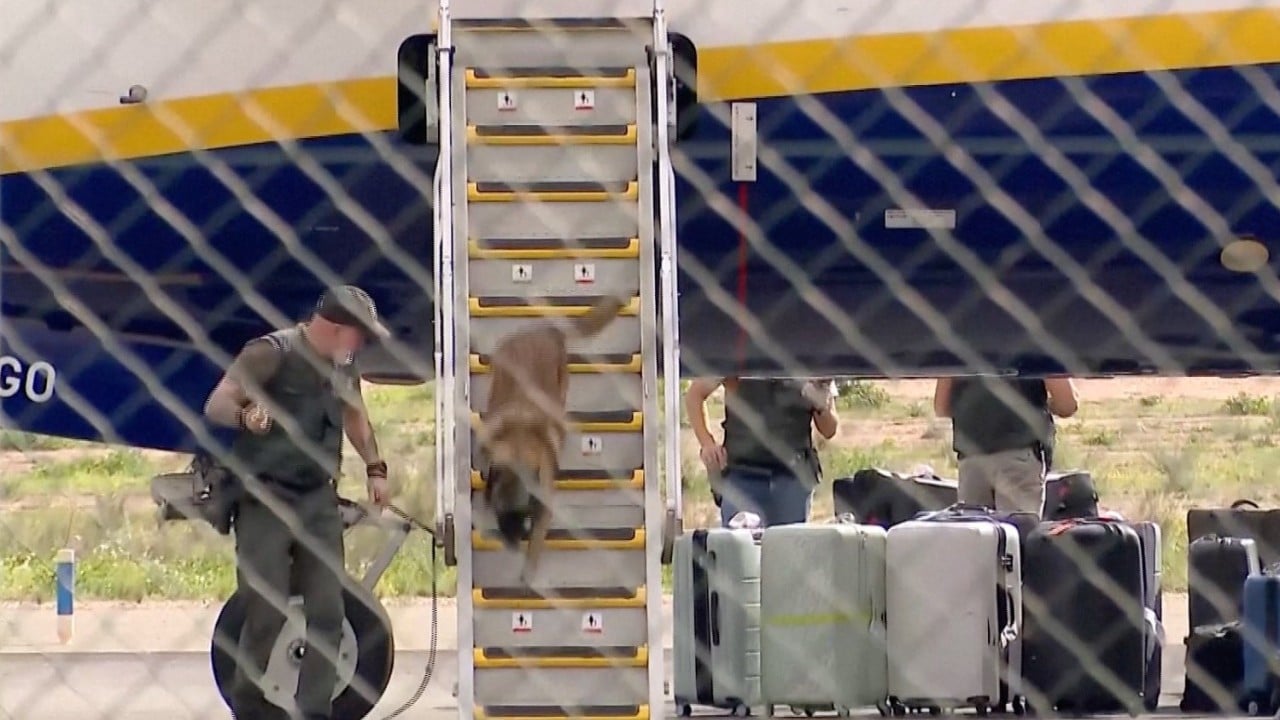
Ultimately, the situation reached a breaking point where keeping passengers aboard was no longer tenable. Arrangements were made. Suitcases were hauled down the gangway—not for a celebratory shore excursion, but for repatriation flights and alternative accommodations.
The Departure Nobody Filmed
Then came the moment that captured headlines around the world, stripped down to a single, stark sentence: the stranded cruise ship Odyssey leaves Cambodia with no passengers.
Picture that departure from the pier in Sihanoukville.
When a cruise ship normally leaves port, it is pure theater. Horns blast across the harbor. Crew members in crisp white uniforms wave from the bridge wings. Passengers lean over balcony railings with phones raised, clinking glasses as the wake churns white against the dark water.
When a ship sails empty—what the maritime industry calls a repositioning or deadhead voyage—all the theater vanishes. The promenade decks are deserted. Stackable lounge chairs are lashed down with heavy nylon straps. The buffet lines are cold steel, the casino floor is dark, and the only footsteps echoing down the carpeted corridors belong to the skeleton marine crew required to keep the engines turning and the bridge manned.
Why sail away with nobody aboard? Because in shipping, standing still in the wrong port is the fastest way to die financially. Once passengers are disembarked, a vessel becomes purely an industrial asset again—one that must be moved to a dry dock, a repair facility, or a staging port without the crushing liability and logistical weight of hundreds of civilians aboard. Moving an empty ship simplifies insurance, slashes daily hotel-department overhead, and allows engineers to tear into systems that cannot be touched while guests are sleeping in the cabins above.
It is the logical, unsentimental choice of maritime management. Yet emotionally, it is devastating. A ghost ship leaving port is the visual admission that the promise could not hold.
The Invisible Economics of Floating Dreams
If you are thinking about booking a long-term voyage, investing in a residential cruise startup, or simply trying to understand why ventures like this stumble so publicly, you need to look at the structural flaw built into almost every upstart cruise line.
Traditional cruise giants—companies like Carnival, Royal Caribbean, or Norwegian—survive because they operate massive fleets with deep cash reserves, standardized parts, decades-old relationships with shipyards, and thousands of weekly ticket sales absorbing the shock whenever a single ship breaks down. If one vessel loses a propulsion pod in the Caribbean, the parent company absorbs the $20 million hit across twenty-five other ships.
A single-ship startup has no shock absorber.
Think of it like walking a high wire without a net in a crosswind. Every variable—fuel spikes, unexpected steel corrosion during dry dock, visa disputes, port fee hikes, or a single failed inspection—hits the balance sheet directly. Worse, residential cruise lines collect huge sums upfront through cabin sales or multi-year leases. That upfront capital builds the ship's acquisition and refit, which looks brilliant on day one. Three years later, when the upfront sales slow down because most cabins are already sold, the company must survive entirely on monthly maintenance fees and onboard spending.
If the ship is stuck in Cambodia with zero passengers, onboard spending drops to zero overnight. Meanwhile, the repair bills keep arriving in the inbox.
I will be honest with you: even after watching this industry for years, it is still gut-wrenching to witness. It is easy for internet commentators to mock passengers who buy into a startup cruise line, calling them naive for trusting a three-decade-old ship with an ambitious itinerary. That cynicism misses the point entirely. These travelers were not fools; they were people hungry for a life larger than their living rooms, trusting that the regulatory and financial guardrails of modern travel would protect their leap of faith.
What Every Traveler Should Look For Before Buying the Horizon
The saga of the Odyssey in Cambodia is not an isolated fluke; it is a case study in due diligence. Whether you are eyeing a three-year world voyage or simply a two-week bucket-list expedition on a boutique operator, three hard truths separate an unforgettable journey from a stranded headline:
First, the age of the hull dictates the margin for error. Ships built in the 1990s were engineered for a different era of emissions rules, electrical loads, and safety protocols. Retrofitting them to modern standards is notoriously unpredictable. Always look up a vessel's IMO number and check its recent Port State Control inspection history—public databases will tell you immediately if a ship has a pattern of deficiencies before you ever hand over a deposit.
Second, follow the fleet size, not the brochure. When an operator owns only one ship, your vacation—or your retirement—is tethered to a single piece of machinery. If that ship goes into unscheduled dry dock in Southeast Asia, there is no sister ship waiting in Singapore to rescue your itinerary.
Third, separate the romance of the itinerary from the reality of escrow. In legitimate residential maritime projects, buyer funds are strictly held in independent escrow accounts tied to verified construction or certification milestones. If an operator relies on incoming passenger money to pay for immediate mechanical emergencies, the foundation is already cracking.
The Wake Left Behind
Somewhere out beyond the coastal waters of Cambodia, the Odyssey cuts through the open sea, lights dimmed, corridors empty, her hull slicing through swells that were meant to rock hundreds of dreamers to sleep.
For the passengers who packed their lives into suitcases in Belfast, endured months of waiting, and finally walked down a gangway in Sihanoukville to fly home without their floating house, the heartbreak is not about missed shore excursions or lost deposits. It is the quiet grief of trading a predictable life on land for a bold promise on the water, only to watch the horizon sail away without them.
Out on the open ocean, a cruise ship without passengers does not look like a tragedy from a distance. Against the vast blue of the Gulf of Thailand, she looks pristine, powerful, and free—a white silhouette moving steadily toward nowhere at all, carrying nothing heavier than the weight of an unkept promise.