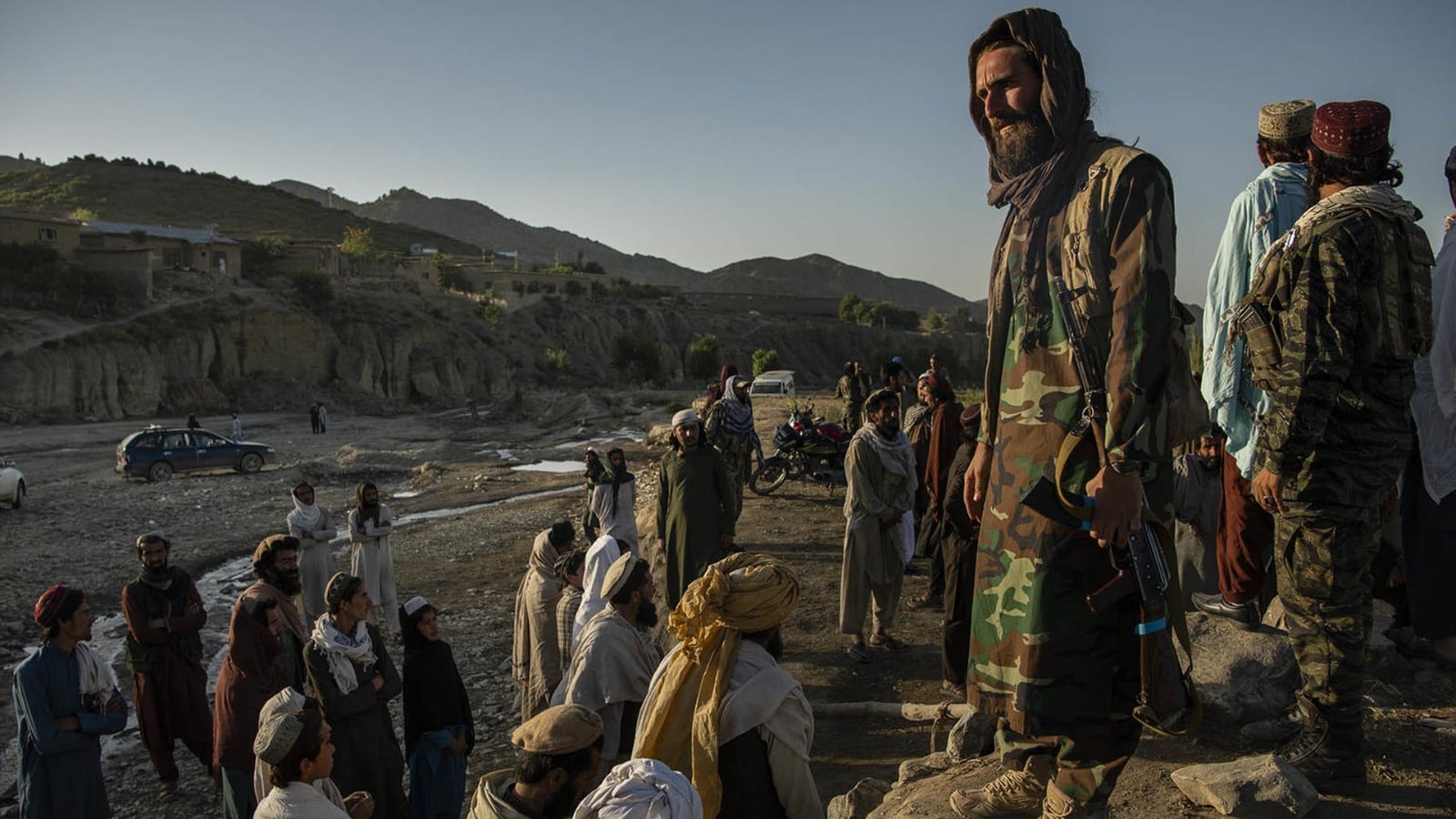
Smoke still clings to the valley long after the fires go out. You smell it in the wool of your winter coat, taste it in the water from the old well, and hear it in the silence that settles over the gravel roads when the last foreign reporter packs a camera and drives away toward the capital.
Memory has weight here. It presses down on the ribs.
When Ratko Mladic died, the man whom international courts branded a butcher of Srebrenica, some expected the earth to move. They waited for the drums. They braced for columns of veterans marching in step, medals clinking against heavy wool coats, torches casting long, jagged shadows against the limestone hills. They waited for a mass of grieving faithful to turn a burial plot into a shrine.
Instead, the street was quiet.
Cars passed with their windows rolled up. Shopkeepers swept dust from concrete steps, their brooms making a dry, rhythmic scraping sound against the pavement. The turnout was a trickle. A handful of mourners, mostly elderly, shuffling beneath gray skies, clutching small candles that sputtered out in the damp wind.
Ursula von der Leyen saw that emptiness and spoke the words that the rest of Europe was thinking, even if politicians usually prefer the safety of diplomatic whispers. She slammed the meager, muted attendance. Not because she wanted a bigger spectacle, but because she knew what spectacle represents. When a convicted architect of genocide goes to his grave with barely a murmur from the crowd, it forces a strange, unsettling question.
Is the poison fading, or is it just changing shape?
Look closer at the mourners. I remember a neighbor back in the villages, a man who grew tomatoes that tasted like copper and old rain. He was gentle with his grandchildren, yet his eyes went dead and flat whenever anyone mentioned the border forty miles east. Hatred is rarely a cartoon villain with a twisted mustache. It is your uncle. It is the man who fixes your tractor. It is a quiet neighbor who keeps his tools clean and votes for the ghosts of an empire that died in blood.
When crowds do not materialize, the easy temptation is to cheer. We want to believe the fever has broken. We want to sign the report, stamp the folder closed, and declare that the Balkans have turned a corner toward a clean, modern European future.
That is a dangerous comfort.
Consider what happens next: the absence of a crowd does not mean the absence of an ideology. Sometimes, a sparse funeral is not a sign of rejection. It is a sign of normalization. The rhetoric has seeped so deeply into the water table that nobody needs to gather in the square anymore. It is just the weather now. It is how things are.
History teaches us that ideologies do not always die with a dramatic crash. They dissolve into the wallpaper. They become the quiet assumptions whispered across kitchen tables about who belongs and who does not, who is a brother and who is an intruder.
The European Union watches this from Brussels with a mixture of hope and profound unease. They dangle the bright, shiny keys of accession. They talk of single markets, rule of law, standardized regulations, and green energy transitions. They offer spreadsheets to people who are still counting their dead.
And that is where the disconnect lies.
Brussels speaks the language of compliance and economic output. The hills speak the language of bloodlines and betrayal. When von der Leyen condemns the turnout—or rather, the lingering sympathies that made any turnout possible at all—she is confronting a ghost that no amount of economic aid can exorcise. You cannot audit trauma. You cannot subsidize forgiveness.
Imagine sitting in a cramped kitchen in Pale, watching the news flicker across a screen with a snowy picture. The woman on the screen is thousands of miles away in a glass tower, talking about democratic standards and regional cooperation. Outside, the fog rolls over the pines, hiding the unmarked ridges where families still search for bones.
The gap between those two realities is wide enough to swallow a generation.
We must be honest about what keeps these embers hot. It is not just stubbornness. It is fear. When you have committed atrocities, or when your neighbor did, or when your tribe was nearly erased, the easiest defense mechanism is total denial. Admitting guilt means tearing down the entire architecture of your own identity. It means looking in the mirror and seeing something monstrous. So instead, people retreat. They stay away from funerals not out of shame, but because the alternative is admitting that the war was a crime rather than a sacred defense.
The low turnout for Mladic was a Rorschach test.
To the optimists in western capitals, it was proof that the youth are moving on, turning their eyes toward German factories and Irish tech hubs, leaving the old men and their vendettas behind. To the realists, it was a chilling reminder that the toxic mythology survived its creators. It doesn't need mass rallies anymore. It lives in school textbooks that gloss over mass graves. It lives in the whispered validation of politicians who use ethnic friction as a shield against accountability.
Silence is heavy.
When von der Leyen spoke out, she broke a diplomatic taboo. Most international leaders prefer to pretend that the Western Balkans are a success story in slow motion, a checklist of reforms that will eventually self-correct. By pointing to the shadows that still linger around a grave, she forced the continent to look at an unfinished sentence.
The war ended decades ago, but the peace has never truly begun. There is only a ceasefire between memories.
Walk through the market in Sarajevo or Banja Luka today. You will hear laughter. You will smell roasting meat and strong coffee. Children chase pigeons across stone squares that were once pockmarked by mortar fire. Life insists on happening. It pushes its green shoots through the rubble of concrete and ideology.
Yet underneath that ordinary day, the underground rivers run deep.
Every time a leader praises a war criminal, every time a crowd fails to show up not out of disgust, but out of a quiet, stubborn solidarity that knows it cannot speak its name in polite company, the wound reopens.
The real danger in the Balkans is not that history will repeat itself overnight with the deafening roar of artillery. The real danger is that it will simply become the permanent background hum of existence. A low-grade fever that no one bothers to treat anymore because everyone has grown used to walking around with a chill in their bones.
The candles at the grave have guttered out. The journalists have driven away. The valley is quiet again under the heavy gray sky. But the smoke is still in the wool, waiting for the next spark to catch.