Digital footprints do not bleed. They do not bruise, they do not fracture, and they certainly do not age. They simply wait in the cold architecture of servers until someone decides to shine a light into the basement.
For Marco MacLeod, the Nova Scotia energy minister, that basement door was kicked open by an investigative piece in Frank Magazine. The artifact retrieved from the digital ether was not a financial scandal or a backroom political deal. It was a rap song. Recorded thirteen years ago under the moniker Meadowville, the track contained references to drug use and aggressive, misogynistic language directed at women. Recently making news in this space: When the Ground Remembers Why the Andes Rise.
Suddenly, a politician tasked with steering the province's energy grid found himself navigating a much more volatile current.
Consider what happens when a private ghost is hauled into public square daylight. The creator of the track is thirty-seven. Thirteen years ago, he was a younger man writing bars in a subculture that often treats transgression as currency. But the defense of youthful ignorance collided hard with a grim contemporary reality. Nova Scotia is a province that officially declared intimate partner violence an epidemic, a policy born from the agonizing aftermath of the 2020 mass casualty commission. In that climate, words that might have once been dismissed as shock-value underground hip-hop carry the weight of a lead anchor. Further information regarding the matter are covered by NPR.
Adsum House, a vital Halifax shelter for women and families, did not mince words. They declared themselves sickened. They argued that holding such views and broadcasting that kind of content should permanently disqualify an individual from public office, regardless of the calendar. Opposition voices chimed in with identical urgency, pointing out a chilling disconnect: how can a vulnerable survivor of gender-based violence sit across a desk from an official whose historical public record features targeted hatred?
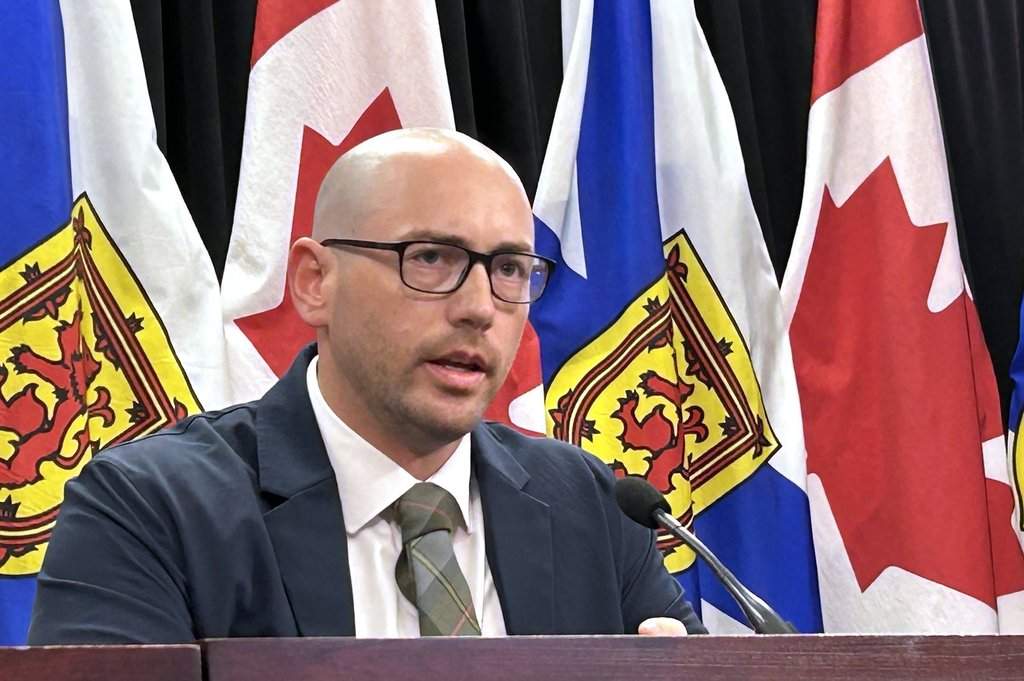
MacLeod stood before reporters in Halifax, his voice occasionally wavering. He didn't hide behind legalistic denials.
"I used words that are very harmful and hurtful to women and to our community," MacLeod acknowledged. "I can't apologize enough."
He confessed that he never disclosed the existence of these recordings to party officials during his 2024 nomination process, admitting it was a blind spot in his vetting. Yet, despite mounting calls for his resignation from advocacy groups, he stated his intention to remain in cabinet, leaving his ultimate fate in the hands of Premier Tim Houston.
This is the modern political trap. We live in an era where every version of ourselves remains accessible via a search bar. The things we built in secret, the immature expressions we thought we outgrew, and the creative missteps of our past do not dissolve. They remain preserved in amber, waiting for the exact moment the political stakes are highest.
An apology can be printed on social media. Handwritten notes of contrition can be shared. But trust, once eroded by the echo of old lyrics, requires more than a press conference to rebuild. The audio files have been scrubbed from the streaming platforms, but the question of accountability lingers in the damp Halifax air long after the cameras stop rolling.