The mainstream media is currently obsessed with the idea of a "breakthrough" or a "shift" in the White House’s posture toward Tehran. They see a meeting between a president and his security aides as a sign of impending movement. They see a new proposal from Iran as a flicker of hope in a dark room.
They are wrong.
The "unchanged stance" being reported isn't a sign of stubbornness or a lack of imagination. It is the only logical play in a game where the rules were rewritten years ago. The press loves a narrative of diplomatic tension—the high-stakes negotiation, the eleventh-hour deal, the dramatic handshake. But in the real world of global power dynamics, what we are witnessing isn't a negotiation. It is a siege. And you don't lift a siege because the person inside the walls offered you a slightly better seat at their table.
The Myth of the Good Faith Proposal
Every time a "new" proposal leaks from Tehran, the foreign policy establishment reacts like a jilted lover getting a text at 2:00 AM. They want to believe there’s growth. They want to believe things will be different this time.
I have spent years watching these cycles play out in the energy markets and the corridors of DC power. Here is the cold reality: Iranian proposals are not designed to reach an agreement. They are designed to create friction within the US domestic political machine. By floating "concessions" that look reasonable to a college professor but are strategically hollow, Iran forces the US administration to look like the aggressor for saying no.
Let’s look at the math. Iran’s economy has been under the thumb of "maximum pressure" for a significant duration. Inflation is rampant, and the rial is a ghost of its former self. When you are drowning, you don’t offer the lifeguard a business partnership; you grab whatever is floating. These proposals are the floating debris of a regime trying to buy time until the next US election cycle.
Stability is the Enemy of Leverage
The "lazy consensus" among the DC punditry is that a deal—any deal—is better than the current state of "frozen conflict." This is a fundamental misunderstanding of how leverage works.
In a business acquisition, if you know the target company is six months away from bankruptcy, you don't sign a merger agreement today. You wait. You let the pressure do the work for you. The White House knows this. The "unchanged stance" is a tactical choice to maintain a state of high-tension equilibrium.
Critics argue that this approach risks war. I’d argue that a weak deal guarantees it. By providing the regime with a financial windfall—which is what any sanctions relief actually is—you aren't "fostering" peace. You are funding the very proxy networks that make the region volatile. You are paying for the drones in Ukraine and the missiles in the Red Sea.
If the US shifts its stance now, it signals to every other adversary on the planet that if you hold out long enough, the Americans will eventually get bored and lower the price.
The Energy Shadow Play
There is a massive component to this that the headline-chasers always miss: the global oil market.
The traditional view is that the US wants Iranian oil back on the market to lower prices at the pump. This is a 1990s mindset. The US is now a net exporter of energy. The calculus has changed. Bringing 2 million barrels of Iranian crude back online doesn't just lower prices; it devalues the strategic advantage of US shale and grants a lifeline to a competitor.
- Scenario A: The US accepts a deal, Iran’s oil floods the market, prices drop, and the Iranian Revolutionary Guard Corps gets a fresh multi-billion dollar budget.
- Scenario B: The US maintains the status quo, prices remain manageable through domestic production and OPEC+ maneuvering, and the Iranian regime continues to bleed.
From a purely cold-blooded national interest perspective, Scenario B is the only one that makes sense. The "unchanged stance" isn't a lack of policy. It is the policy.
Dismantling the Nuclear Distraction
"People Also Ask" if Iran is closer to a nuclear weapon today than they were four years ago. The answer is technically yes, but the question itself is a distraction.
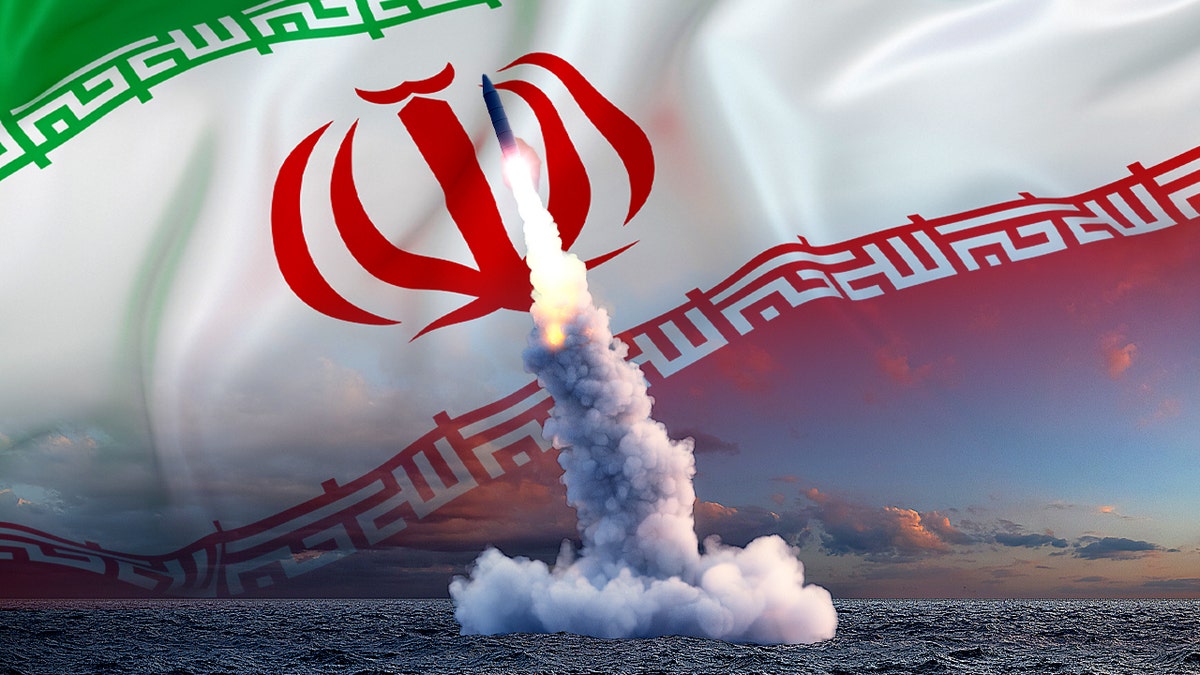
The nuclear program is a hedge. It’s a shiny object used to keep Western diplomats occupied while the real work—regional hegemony—continues through unconventional means. If you fixate on the centrifuges, you miss the ballistic missiles. If you fixate on the enrichment levels, you miss the fact that Tehran already controls four capitals in the Middle East through proxies.
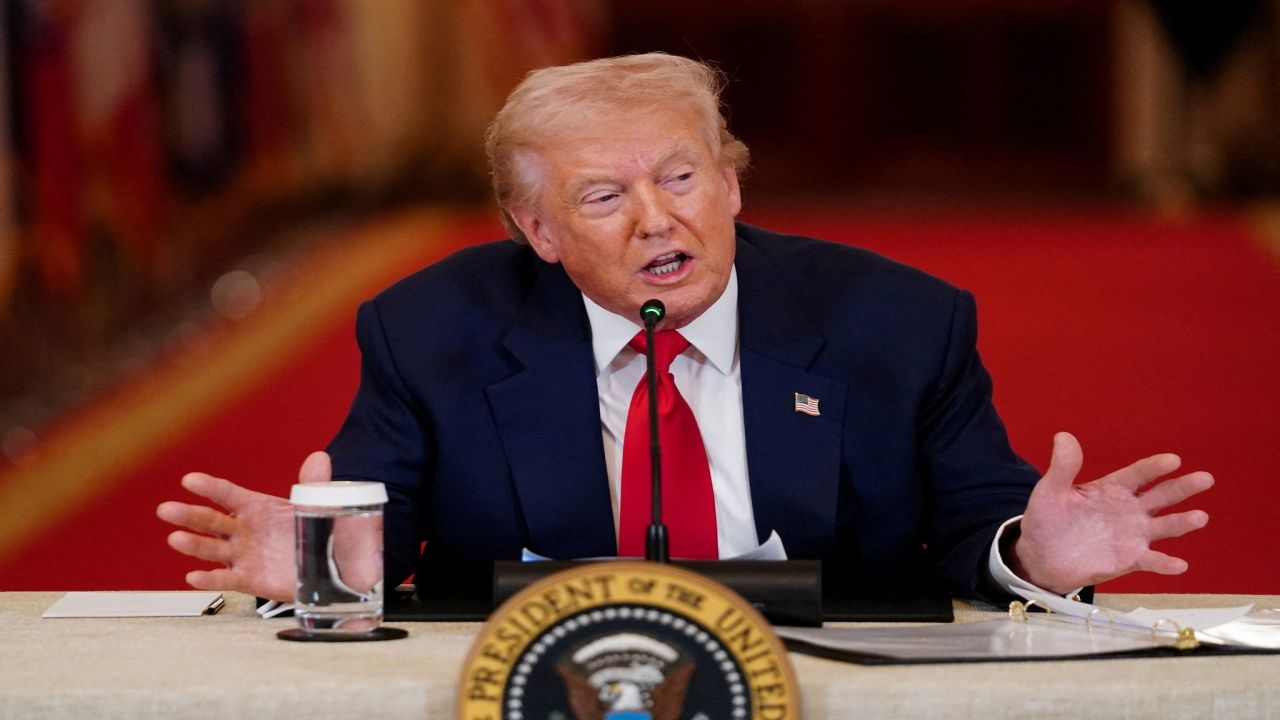
A deal that focuses solely on the nuclear "breakout time" is like a bank focusing on the security of its vault while the manager is busy wiring the money out the back door. The Trump administration’s security aides aren't ignoring the new proposal because they are "hawks." They are ignoring it because it doesn't address the "back door."
The High Cost of the Middle Ground
The most dangerous place to be in international relations is the middle of the road.
If you are going to engage, you do it with a grand bargain that resets the entire regional map. If you are going to squeeze, you squeeze until the pips squeak. The "middle ground"—the temporary freeze, the partial sanctions relief, the "compliance for compliance" dance—is a recipe for failure. It provides just enough oxygen for the regime to survive, but not enough to change its behavior.
I’ve seen private equity firms try this "middle ground" approach with failing portfolio companies. They drip-feed them just enough capital to stay alive, hoping for a miracle. The miracle never comes. The capital is wasted, and the inevitable collapse is just delayed and made more expensive.
The security aides in the room with the president aren't looking for a "win" in the form of a signed piece of paper. They are looking for a structural shift in the Iranian state's ability to project power. Until a proposal addresses the structural issues—the missile program, the proxy funding, the internal repression—it isn't a proposal. It’s a PR stunt.
Stop Asking for Diplomacy for Diplomacy’s Sake
The obsession with "talking" as an end in itself is a secular religion in the West. We have been conditioned to believe that as long as people are sitting at a table, things are getting better.
History says otherwise.
The most effective diplomacy often happens when one side refuses to talk until the terms are dictated by reality rather than rhetoric. By maintaining an "unchanged stance," the US is forcing the Iranian leadership to face a reality where their current path leads to a dead end.
The "bold move" isn't to sign a new deal. The bold move is to remain unmoved.
Stop looking for a breakthrough in the headlines. The real story isn't that the US isn't changing its mind; the story is that the world has changed, and the old tools of 20th-century diplomacy are now obsolete. If you want a different outcome, you don't change your stance—you change the environment until the other side has no choice but to fold.
Maintain the pressure. Ignore the noise. Let the siege continue.