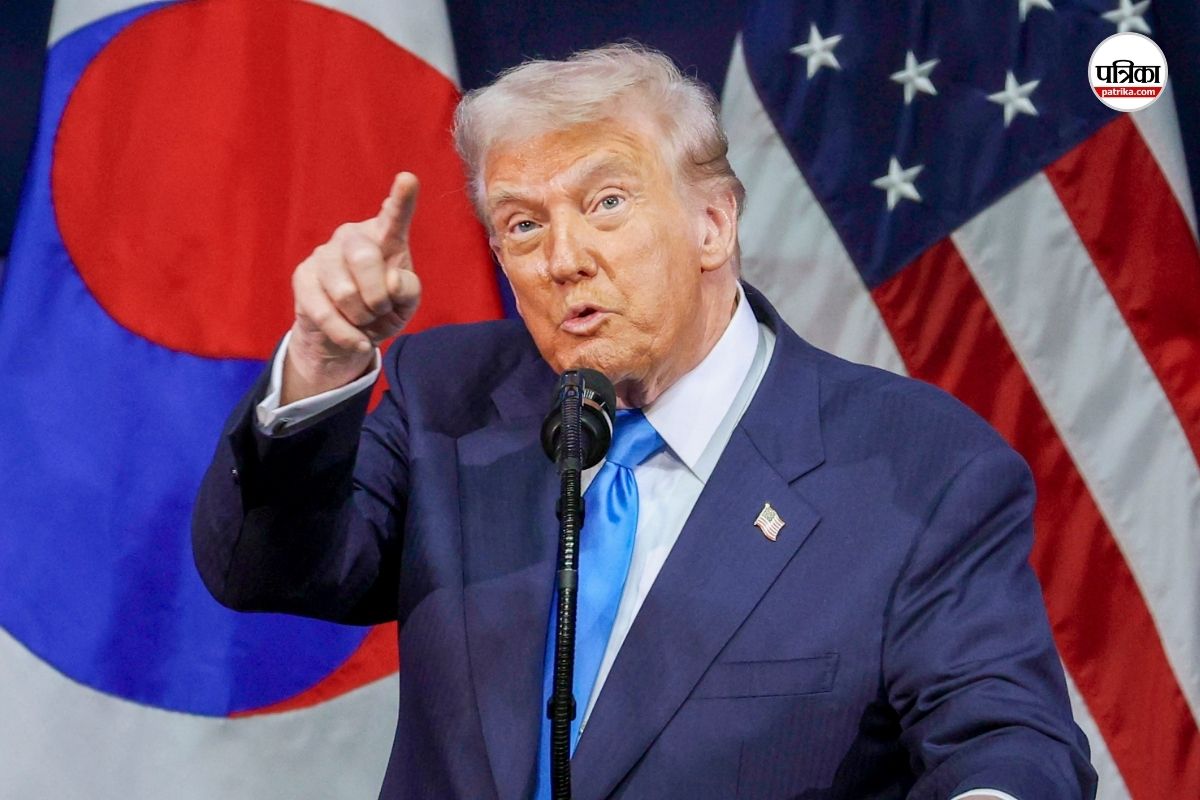
The structural shift in US-Iran relations signaled by the delegation's arrival in Islamabad reflects a transition from ideological confrontation to a transactional de-escalation framework. Historically, the failure of direct bilateral communication between Washington and Tehran has necessitated a "mediator arbitrage" model, where third-party states provide the physical and diplomatic infrastructure for low-visibility negotiations. The choice of Islamabad as the theater for the second round of talks indicates that the parties are prioritizing regional stability and specific logistical bottlenecks over a comprehensive grand bargain.
The Strategic Logic of the Islamabad Conduit
Pakistan’s role in this specific diplomatic circuit is defined by its unique intersection of security interests and geographical proximity. For the United States, utilizing Islamabad provides a layer of plausible deniability while leveraging Pakistan’s historical, albeit complex, relationship with Tehran. The mechanics of this mediation are driven by three distinct variables:
- Security Insulation: By conducting talks outside of Western or Middle Eastern capitals, both parties reduce the domestic political cost of engagement.
- Intelligence Synchronization: Pakistan shares a border with Iran, making it a primary stakeholder in border security and counter-terrorism—issues that often serve as the "low-hanging fruit" for broader diplomatic breakthroughs.
- Nuclear Non-Proliferation Constraints: The US team seeks to establish a hard floor for Iranian enrichment activities, while Iran seeks the removal of specific economic sanctions that have throttled its energy exports.
This second round of talks functions as a stress test for the "Trump Doctrine" of maximum pressure versus strategic deal-making. The pivot from aggressive rhetoric to a localized diplomatic summit suggests that the administration has identified a point of diminishing returns in unilateral sanctions.
The Cost Function of Sanctions vs. Negotiation
The efficacy of US policy toward Iran is often measured by the "Economic Attrition Rate." As sanctions intensify, the Iranian economy undergoes a structural shift toward a "resistance economy," characterized by localized production and grey-market oil exports. This creates a bottleneck for US policy: if the Iranian regime adapts faster than the sanctions can degrade its capabilities, the US loses its primary lever of influence.
The Islamabad talks are an attempt to recalibrate this lever. Iran’s participation indicates that the cost of isolation has reached a critical threshold, specifically regarding its access to global financial systems. Conversely, the US delegation's presence acknowledges that military deterrence alone cannot stabilize the Persian Gulf or the Strait of Hormuz.
Key Tactical Objectives for the US Delegation
The American team, headed to Islamabad, operates under a specific set of operational mandates designed to quantify Iranian compliance before any formal treaty is discussed:
- Regional Proxy Containment: Establishing a verifiable framework to limit Iranian influence in Iraq, Syria, and Yemen.
- Enrichment Caps: Negotiating a technical ceiling on uranium enrichment levels, specifically targeting the 60% threshold which signals proximity to weapons-grade material.
- Detainee Reciprocity: Utilizing the talks to facilitate the exchange of high-value individuals, a standard precursor to formal diplomatic normalization.
The Internal Mechanics of Iranian Diplomacy
The Iranian side faces a dual-track challenge. The "Diplomatic Bloc" seeks economic relief to stabilize internal inflation and social unrest, while the "Hardline Security Bloc" views any concession to Washington as a sign of existential weakness. This internal friction dictates the pace of the Islamabad talks.
The Iranian strategy is to trade "reversible concessions" (such as pausing enrichment or allowing IAEA inspections) for "irreversible benefits" (such as the permanent lifting of specific banking sanctions). This creates a fundamental misalignment in the negotiation calculus, as the US prefers the inverse: permanent Iranian concessions for temporary, snap-back sanction relief.
Theoretical Framework: The Prisoner's Dilemma in Nuclear Diplomacy
The US-Iran standoff is a classic iteration of a non-zero-sum game. Both parties benefit from avoiding an open military conflict, yet both fear that being the first to offer a concession will lead to exploitation by the other.
The Islamabad talks serve as a "iterative game" where small, verifiable wins build the trust necessary for higher-stakes agreements. If the US team can secure a commitment on a minor issue—such as a localized ceasefire or a specific trade corridor—it changes the payoff matrix for the next round of discussions.
The Border Security Variable
The Sistan-Baluchestan border region, which separates Iran and Pakistan, is a critical component of this dialogue. Militant activity in this area has historically strained Pakistan-Iran relations. For the US, supporting a stabilized Iran-Pakistan border serves the dual purpose of checking Iranian military focus and ensuring that Pakistan does not pivot too closely to Tehran in a defensive alliance.
Constraints and Systemic Risks
The primary risk to these talks is the "Spoiler Effect." External regional actors who view US-Iran rapprochement as a threat to their own security interests may take actions—kinetic or diplomatic—to derail the process. Furthermore, the reliance on a third-party host introduces a "Mediation Tax," where the interests of the host country (Pakistan) must also be considered in the final agreement.
The absence of a formal roadmap for these talks suggests that the outcomes will be incremental rather than transformative. The "Monday Meeting" in Islamabad is less about a final resolution and more about establishing a sustainable communication protocol that can withstand the volatility of regional politics.
Strategic Forecast: The Shift to Transactionalism
The transition from the JCPOA framework to these localized, ad-hoc summits indicates a permanent shift in how Washington handles Tehran. The era of the "Grand Bargain" has been replaced by a "Granular Bargain" model. Success will not be defined by a signed treaty but by a series of technical agreements that reduce the probability of a miscalculation in the Persian Gulf.
The immediate objective for the Islamabad summit is the establishment of a Joint Monitoring Committee. This body would serve as the clearinghouse for grievances, preventing minor border skirmishes or maritime incidents from escalating into a full-scale regional war. If the US delegation leaves Islamabad with a confirmed date for a third round of talks and a framework for a specific, limited sanctions waiver, the mission must be categorized as a tactical success.
The next move for the US administration is to synchronize these findings with regional allies, ensuring that the "Islamabad Channel" does not undermine broader security architectures in the Middle East. The durability of this channel depends entirely on its ability to deliver tangible economic relief to Tehran in exchange for a verifiable pause in its nuclear trajectory.