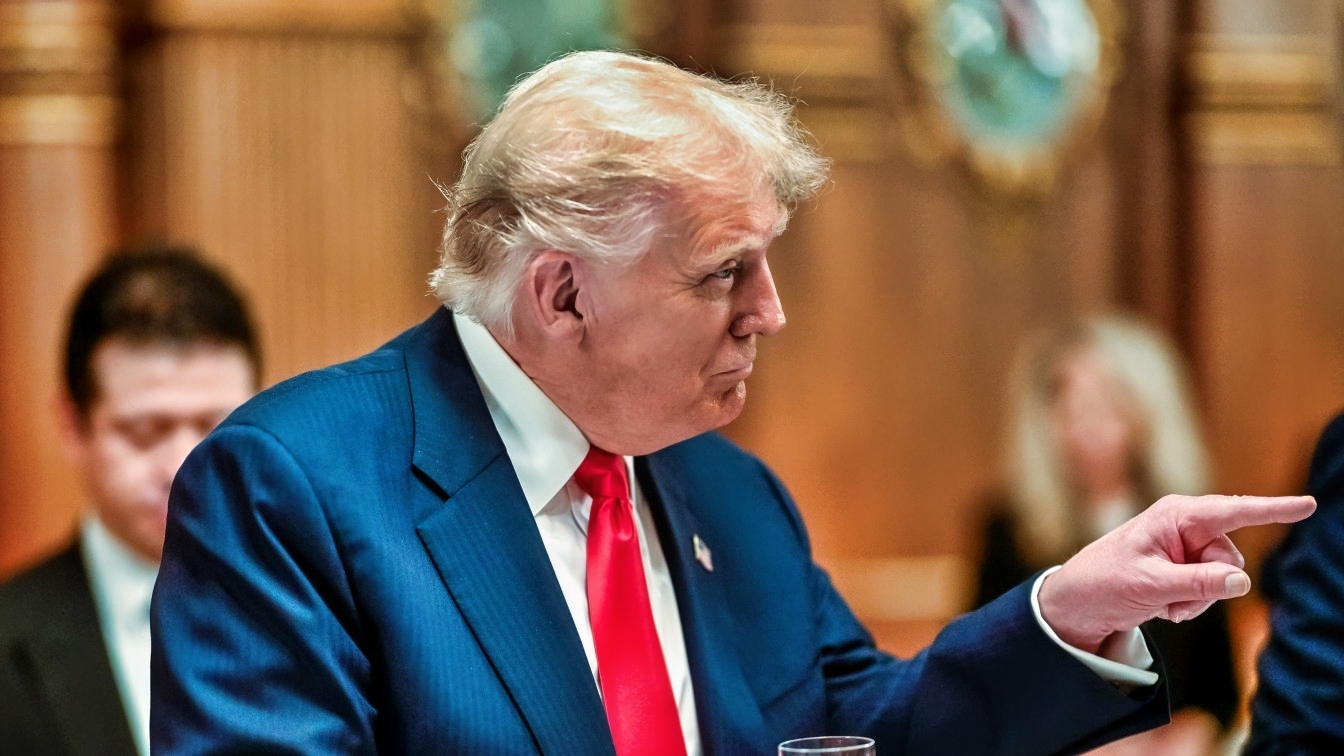
The diplomatic mechanics observed during the high-level exchanges at the United Nations General Assembly reflect a fundamental friction point in modern maritime logistics and energy security. At the center of this dynamic is the Strait of Hormuz, a geographical bottleneck through which a significant share of global petroleum transit flows. When diplomatic channels between Tehran and Washington opened via indirect meetings involving Iranian Foreign Minister Abbas Araghchi and US special envoy Steve Witkoff, the core objective for international markets was not merely political reconciliation, but the lowering of transaction costs imposed by maritime disruption.
To understand the architecture of these negotiations, one must analyze the strategic leverage points held by both actors. The interaction operates on a strict cost-benefit matrix where maritime access is traded against financial liquidity and sanctions relief.
The Structural Anatomy of the Chokepoint
The strategic value of the Strait of Hormuz derives from its physical geography. As a narrow passage connecting the Persian Gulf to the Gulf of Oman, it leaves limited alternative routing capacity for regional crude exporters. When transit is impeded or subjected to security premiums, the global energy market experiences immediate shocks across three distinct vectors:
- Physical Supply Restriction: A reduction in throughput volume alters inventory balances globally, driving up spot prices regardless of nominal production quotas.
- Insurance and Freight Premiums: Underwriting risk for vessels transiting contested waters escalates exponentially. Shipowners demand higher risk premiums, which are subsequently passed down the supply chain.
- Strategic Signaling Costs: Disruptions serve as a mechanism of statecraft, forcing importing nations to re-evaluate energy security dependencies and maintain higher strategic petroleum reserves.
The recent diplomatic proposals, including the reported frameworks discussed by Araghchi and Witkoff, attempt to establish a predictable sequencing to dismantle these friction costs.
The Mechanics of the Proposed Sequencing
A breakdown of the operational terms exchanged during the UN sessions reveals a reciprocal logic designed to balance security concessions against economic rehabilitation.
The Iranian negotiating position rests on specific prerequisites intended to reverse post-agreement sanctions and military positioning. From a strategic standpoint, Tehran's demands function as a mechanism to restore baseline financial liquidity—specifically targeting frozen assets and petroleum export channels that were restricted following previous policy reversals.
Conversely, the United States and regional stakeholders operate under an imperative to secure maritime freedom of navigation. The primary metric of success for Washington is the unconditional reopening of the shipping lane to stabilize international energy pricing and prevent secondary inflationary pressures on industrial economies.
The proposed two-day implementation timeline highlights an attempt to solve the classic commitment problem in international negotiations: neither side wants to move first without a verifiable guarantee of reciprocity.
- Day One Obligations: Typically structured around administrative or executive actions by Washington, such as the relaxation of specific financial restrictions or the rollback of heightened regional military postures.
- Day Two Deliverables: Operational execution by Tehran, specifically the cessation of maritime interdiction and the formal clearance of commercial shipping lanes.
Information Asymmetry and Enforcement Risk
The fragility of prior arrangements, such as the collapse of earlier memorandums, illustrates the core vulnerability of this diplomatic framework: the absence of a trusted third-party enforcement mechanism. Regional intermediaries like Qatar and Oman attempt to bridge this trust deficit, but structural distrust remains high.
Domestic political pressures within Iran—characterized by legislative initiatives regarding maritime enforcement and regulatory hurdles—further complicate the execution path. Hardline factions routinely utilize external friction to consolidate domestic authority, creating a dual-track environment where diplomatic overtures in New York run parallel to escalatory posturing at home.
Ultimately, the trajectory of maritime security in the Persian Gulf depends on whether both Washington and Tehran calculate that the economic utility of normalization outweighs the domestic political cost of compromise. Until verification protocols are institutionalized, the Strait of Hormuz will remain a high-beta variable in global macroeconomic stability.
This video provides an overview of the diplomatic exchanges and international media coverage regarding the high-level meetings between Iranian and US officials at the United Nations concerning maritime security in the Persian Gulf.