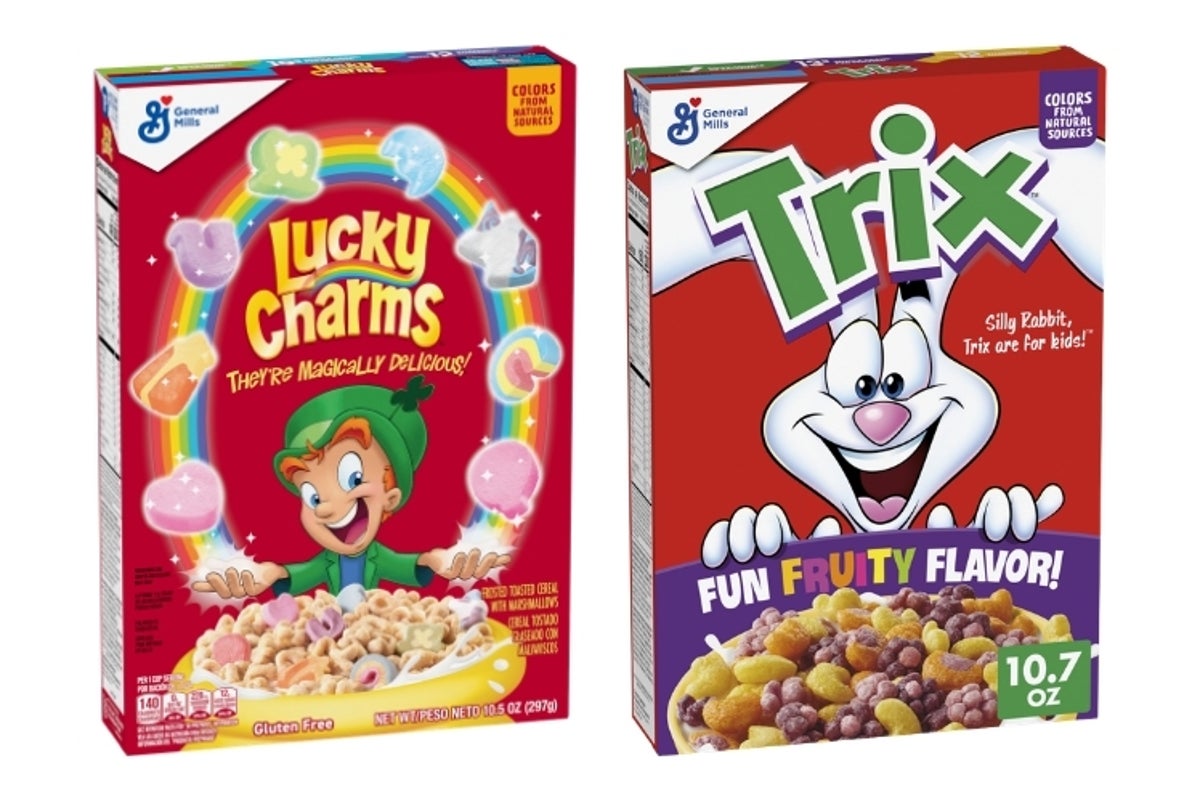
Your morning cereal bowl is about to look a whole lot less neon. General Mills just officially completed the removal of all certified synthetic dyes from its entire U.S. cereal portfolio, touching iconic brands like Lucky Charms and Trix. For decades, petroleum-derived color additives like Red 40 and Yellow 5 ruled the grocery store. They made processed foods pop off the shelf with hyper-saturated brightness. Now, those chemical dyes are vanishing as consumer demand and political pressure reshape what food companies put in our bodies.
This massive shift didn't happen in a vacuum. Under pressure from the "Make America Healthy Again" (MAHA) movement spearheaded by figures like Health and Human Services officials, big food conglomerates are scrambling to clean up their supply chains. Parents have complained for years about synthetic food dyes linked to behavioral issues and hyperactivity in children. State-level regulatory actions, such as California's extensive reviews by the Office of Environmental Health Hazard Assessment, turned up the heat on artificial additives. When major retailers like Target and Walmart started setting internal deadlines to phase out artificially colored store brands, food giants realized change was mandatory.
General Mills didn't just wake up and drop its favorite chemical colorings overnight. The company quietly tackled its K-12 school food portfolio first, ensuring that cafeterias met cleaner standards before shifting its massive retail inventory. According to corporate announcements, the current push has completely cleared the U.S. cereal lineup, swapping artificial chemicals for natural alternatives derived from fruits, vegetables, and spices like turmeric and paprika. The remaining 10 percent of their general retail portfolio—covering various snacks and mixes—is scheduled for complete cleanup by the end of 2027.
Reformulating breakfast cereal without chemical crutches sounds easy, but food scientists face massive hurdles. Synthetic dyes are cheap, intensely vibrant, and virtually indestructible under hot manufacturing lights and long shelf lives. Natural pigments fade easily when exposed to light, heat, and moisture. If you remember when Trix briefly tried going natural back in 2016, you might recall the public backlash over dull, washed-out colors that looked unappealing. General Mills spent months tweaking its chemistry to ensure that modern natural color replacements maintain the exact crunch, visual appeal, and taste families expect.
Competitors are watching closely. WK Kellogg, the maker of Froot Loops and Apple Jacks, has similarly pledged to scrub artificial dyes from its lineup. The entire domestic cereal landscape is experiencing its most aggressive ingredient overhaul since the rise of whole grain marketing decades ago. Critics point out that "natural" colors can still trigger niche allergies—such as carmine derived from insects or certain spice extracts—meaning consumers still need to read labels carefully. Even so, the mass exit of petroleum dyes marks a permanent cultural pivot away from chemical additives that offer zero nutritional value.
Check your pantry labels today. If you're buying legacy boxes sitting deep on discount shelves, you might still catch old formulations containing certified synthetic dyes. Move toward newer boxes marked with natural color callouts to catch the shift firsthand, and keep an eye on ingredient lists to see how food manufacturers adapt their recipes moving forward.
General Mills removes artificial dyes from cereals in win for MAHA
This video provides a quick breakdown of how political pressure from the MAHA movement influenced major cereal brands to strip synthetic dyes from grocery shelves.
http://googleusercontent.com/youtube_content/1