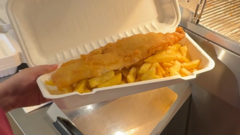
You walk into your local chippy, expecting a cheap, comforting meal. You look at the menu board and freeze. The price of fish and chips has gone up again. What used to be a cheap British staple now feels like a luxury dining experience. A single portion easily clears ten quid in most places, and if you are in London or the South East, you might be staring down a fifteen-pound receipt.
It hurts. This isn't just standard inflation. The classic takeaway has been hit by a brutal, compounding economic storm that targeted every single ingredient on the plate.
If you think shop owners are simply pocketing the extra cash, you have it wrong. Most independent fish and chip shops are fighting for their lives. The reality of keeping the fryers running right now is terrifyingly expensive.
The Real Reasons Behind the Fish and Chips Price Surge
To understand why your dinner is pricey, you have to look at the three main components: the fish, the potatoes, and the fat they fry in. Every single one of these supply chains fractured at the exact same time.
For decades, fish and chips thrived on being cheap because the raw ingredients were abundant and inexpensive. That era is officially over. Margins in the food industry are always tight, but chippies have it worse because they cannot easily substitute ingredients. If a burger joint faces expensive beef, they can sell more chicken. A fish and chip shop cannot easily stop selling cod.
The National Federation of Fish Friers has repeatedly warned that the industry is facing its biggest threat in a generation. Hundreds of shops have already closed down. The ones that survive have no choice but to pass the costs onto you.
The Whitefish Crisis is Geopolitical
The biggest chunk of your bill comes from the fish itself. Most people do not realize where their cod and haddock actually come from. It is not all caught by local boats off the coast of Grimsby or Peterhead.
A massive amount of the whitefish consumed in the UK historically came from Russian waters. When geopolitical tensions flared and sanctions kicked in, the British government slapped a massive 35% tariff on Russian whitefish imports. This was designed to punish state revenues, but it also sent shockwaves through the seafood supply chain.
Suddenly, fish fryers had to compete for a drastically smaller pool of alternative seafood, mostly sourced from Icelandic and Norwegian fleets.
- Supply crashed: Everyone scrambled for the same non-Russian fish.
- Prices skyrocketed: The cost of a case of frozen cod fillets doubled in a matter of months.
- Fuel costs rose: Trawlers pay massive amounts for marine diesel, which makes every fishing trip more expensive.
When the cost of the raw fish leaps by 100% or more, the price on the menu board has to move. Shop owners cannot absorb a hit that massive.
Potatoes and the Nightmare of Modern Farming
You might think chips are cheap. They are just spuds, right? Wrong. The humble potato has become a major headache for chip shop owners.
Great chips require specific varieties, usually Maris Piper or Markies. These varieties have high dry-matter content, which gives you that perfect crispy outside and fluffy inside. You cannot just use any random potato from the supermarket.
The last few growing seasons have been a disaster for British farmers. Bizarre weather patterns, ranging from severe summer droughts to prolonged winter flooding, ruined crop yields. Potatoes drowned in waterlogged fields or never grew to the right size because the ground was baked solid.
Compounding the weather issues was the soaring cost of fertilizer. Fertilizer production requires immense amounts of natural gas. When global gas prices spiked, fertilizer costs went through the roof. Farmers had to pay vastly more to grow fewer potatoes. A sack of chipping potatoes that used to cost a shop owner around £6 quickly climbed to £15, £20, or even more during peak shortages.
The Cooking Oil and Energy Squeeze
You cannot fry food without oil and heat. Both of these inputs became ridiculously expensive simultaneously.
Most chippies use sunflower oil, vegetable oil, or beef dripping. Ukraine was the world’s largest exporter of sunflower oil. When that supply chain broke, global cooking oil markets panicked. Every alternative oil, from palm to rapeseed, surged in price as buyers looked for substitutes. Operators watched the price of a 20-litre drum of oil double in a matter of weeks.
Then came the energy bills. Commercial fish and chip fryers are massive energy hogs. They require huge amounts of gas or electricity to keep hundreds of litres of fat at a constant 180°C for hours at a time.
Unlike domestic consumers, businesses do not get the same kind of long-term energy price caps. Many chippy owners saw their monthly utility bills jump from £1,000 to £4,000 or more. Imagine having to sell hundreds of extra portions of fish just to pay the electric bill before you even buy a single fish.
How Your Local Chippy is Trying to Survive
Shop owners know you are feeling the pinch. They hate raising prices because they know it drives customers away. To keep the lights on, they are getting creative, though some choices are tough.
Some shops are experimenting with alternative species. Instead of just cod and haddock, you might see hake, coley, or pollock on the menu. These are excellent, sustainable whitefish that often cost less, but getting customers to break tradition is hard work. People want what they know.
Other shops are reducing opening hours. It no longer makes financial sense to stay open during quiet mid-afternoon lulls, burning expensive energy to keep fryers hot when no one is buying. You will find many shops now closing between lunch and dinner, or shutting completely on Mondays and Tuesdays.
How to Support the Industry and Get Better Value
If you love your local chippy and want it to stay open, you can adapt your ordering habits to get better value while still supporting the business.
Skip the delivery apps if you can. Third-party delivery platforms take a massive cut, sometimes up to 30%, from the restaurant's revenue. To cover this, shops often inflate their prices on the app. Walking to the shop and ordering at the counter keeps all your money with the local business and saves you a premium.
Consider sharing a large portion of chips. Chippies are notoriously generous with their chip portions. A single large chip order is frequently more than enough for two adults, which brings the total cost of the meal down significantly. Try the alternative fish options if they are on the menu. Hake makes incredible fish and chips, often with a sweeter flavor and a lower price tag than cod.
The era of the cheap three-pound fish and chip supper is gone forever. The structural costs of food, energy, and labor have shifted permanently. Accepting this new reality means treating the chippy night not as a cheap throwaway meal, but as a premium, cooked-to-order feast that supports a vital part of local high streets.