Walk down a Bangkok street with a camera or a smartphone right now and nobody is dragging you into a van for the fun of it. Yet the fresh Thailand travel alert issued by China's embassy in October 2026 sent another shockwave across travel forums, airline booking screens, and Thai tourism offices.
If you're planning a holiday to Thailand, you shouldn't panic. Honestly, you should pay attention to how these traps work.
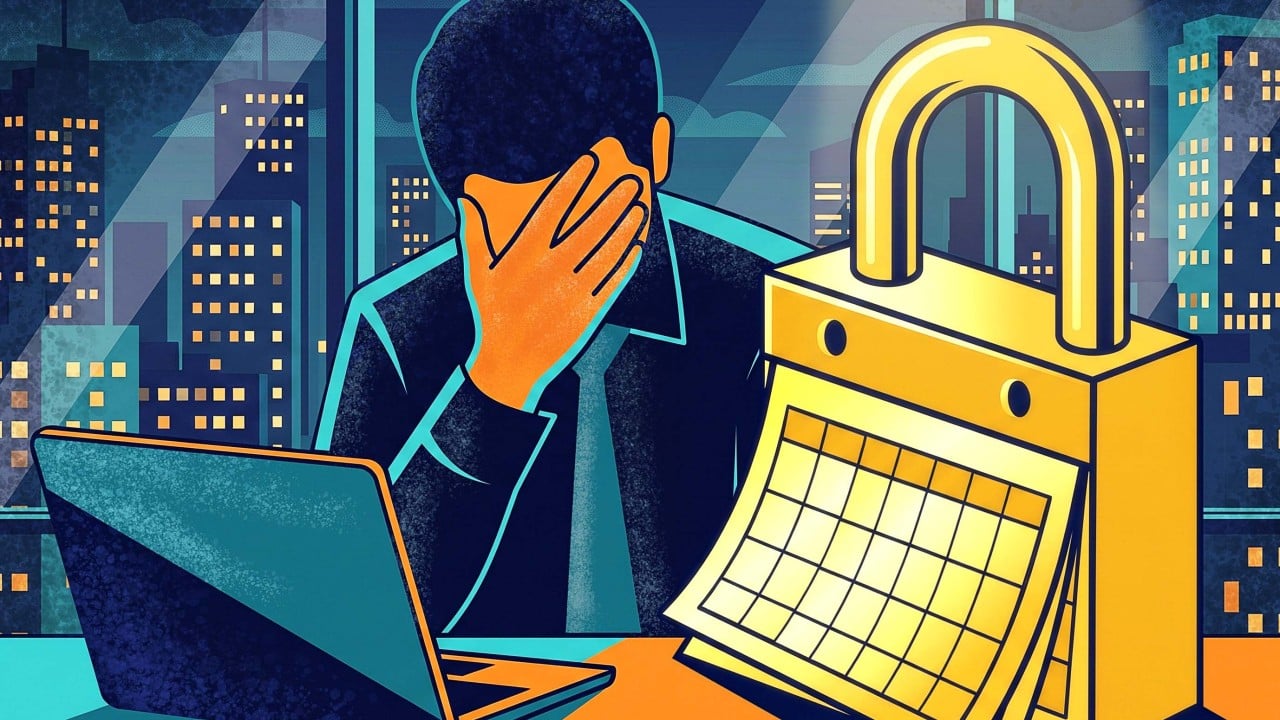
The embassy advisory in mid-October 2026 zeroed in on kidnappings, forced labor, human trafficking, and fake high-paying job offers. It specifically singled out influencers, actors, artists, and freelancers. Most headlines treat Thailand itself as a lawless jungle when someone gets abducted there. That's lazy reporting, and it misses the real mechanics of the crime.
Why This Fresh Thailand Travel Alert Hit a Nerve
Thailand's tourism sector already spent 2025 nursing a brutal hangover from a massive drop in Chinese visitors—a fall of roughly a third from 6.73 million arrivals in 2024 to about 4.47 million in 2025, largely triggered by high-profile kidnapping scares and regional security jitters. By the first ten months of 2026, Chinese arrivals had bounced back up 12.44% year-over-year to over 4.24 million visitors, putting China back on top as Thailand's biggest source market.
Then October hit. Chinese arrivals dipped 13.57% that month to 308,942 visitors, even across a period that normally gets a lift from China's National Day travel wave. Travel groups like the Association of Thai Travel Agents (ATTA) began warning of a possible 20% drop in Chinese arrivals for November and December and a steep slide for Lunar New Year 2027 if confidence isn't steadied.
Thai Deputy Prime Minister and Foreign Minister Sihasak Phuangketkeow pushed back on broad alarmism, arguing that criminal rings target specific people through deception rather than posing a random threat to ordinary holidaymakers. His point carries real weight. At the same time, dismissiveness isn't a safety plan. When embassies repeat warnings over and over, travelers listen—even when the nuance gets lost in translation.
The Bait Behind Fake Job Offers and Creative Gigs
You don't need to be a rookie traveler to fall for a well-dressed scam. Some of the most publicized cases have targeted people who work in media, entertainment, and content creation—folks used to taking gigs on short notice.
Take the January 2025 abduction of Chinese actor Wang Xing, who was lured to Thailand under the guise of a filming project before being trafficked across toward a scam compound in Myanmar. More recent reporting around the October 2026 alert pointed to cases such as a Shanghai music teacher who went missing in late September and a Chinese photographer who disappeared in early October after traveling to Bangkok for a shoot, with victims in those reported incidents later rescued and returned home.
Here's what the pattern usually looks like:
- Too-good-to-be-true pay: Salaries or appearance fees way above normal market rates for quick shoots, livestreams, or "business exchanges".
- All expenses covered: Free flights, hotel rooms, and meals arranged by a "producer," recruiter, or acquaintance.
- Vague logistics: Shifting meeting spots, last-minute car pickups, or instructions to head toward remote areas or border zones.
- Acquaintance trust: Offers passed along by someone who feels familiar—a contact from social media, an industry friend, or a mutual connection.
Scammers know that plain-vanilla "high-paying office job" ads are old news. Luring a creator with a fast, glamorous gig in Bangkok sounds plausible until the car keeps driving north or west toward the border.
Thailand Isn't the Endpoint for Most Scam Compounds
One big misconception in casual conversation is picturing massive forced-labor fraud compounds sitting right in the middle of Phuket or Chiang Mai. Many of the notorious scam hubs operate across borders—especially in autonomous or weakly governed border zones in Myanmar—using Thailand as a transit hub, entry point, or recruitment staging ground.
That distinction matters for two reasons. First, it explains why Thai officials insist that standard sightseeing in major tourist hubs is different from getting drawn into a cross-border trafficking pipeline. Second, it explains why the embassy warning explicitly urges travelers to avoid unnecessary trips to high-risk border regions near Myanmar and refuse sudden itinerary shifts or unofficial crossings.
Regional crime syndicates thrive in border gray zones where enforcement is fragmented. Border towns and river crossings along the Thai-Myanmar frontier have been flashpoints for both trafficking networks and broader cross-border enforcement headaches. When someone accepts a "free ride" or lets a fixer rearrange their route, the risk jumps fast.
What Experienced Travelers Actually Do Differently
I've seen plenty of travelers over-prepare for the wrong things—buying heavy-duty money belts for pickpockets while hopping into an unmarked van arranged by a stranger they met online two days earlier. Real street smarts in Southeast Asia aren't about paranoia; they're about removing friction for bad actors.
What sounds good in theory—like "I'll just trust my gut"—breaks down when you're jet-lagged, excited about a paid gig, or being polite to someone who booked your ride. Gut instinct isn't a background check.
Practical Habits That Actually Protect You
- Never take mystery rides: Stick to licensed taxis, official airport counters, hotel-arranged cars, or mainstream ride-hailing apps. If a "friend of a friend" sends a private car and the route or destination changes mid-ride, speak up and step out somewhere busy.
- Guard your documents like cash: Never hand your passport, phone, or bank cards to a third party or "handler" for safekeeping, even briefly.
- Vet any work or "investment" invite cold: If someone offers big money for a shoot, event, promotion, or "guaranteed" return with zero risk, verify the company independently—not through links or contacts the recruiter gives you.
- Keep a simple check-in routine: Share your hotel name, flight details, and daily plans with family or a trusted friend, and keep your phone charged and reachable.
- Know emergency numbers before you land: Save local police contacts and your embassy or consulate emergency hotline offline before you lose airport Wi-Fi.
Weighing Tourism Numbers Against Real Risk
Tourism statistics tell a complicated story right now. Overall international arrivals to Thailand reached 25.46 million during the first ten months of 2026—down 4.59% from the same stretch in 2025—while total tourism revenue sat at THB 1.241 trillion, down 2.85%. Different source markets have moved in different directions, with soft spots in markets like Malaysia and South Korea alongside ongoing debates over tourism fees and destination appeal.
Some commentators argue Thailand hasn't cracked down hard enough on transnational networks, while Thai leaders argue that diplomatic warnings can overstate everyday tourist danger and hurt livelihoods on both sides. Both sides have a point. You can enjoy street food in Bangkok, island-hop in the south, or visit temples in Chiang Mai safely—provided you treat unsolicited job offers, unverified transport, and border detours with healthy skepticism.
Before your next trip, take ten minutes to audit your bookings, share your itinerary with someone at home, save your embassy's emergency number locally, and say no to any "easy money" or last-minute ride that doesn't add up.
Chinese Embassy Issues New Warning! Beware of Kidnapping and Job Scams When Visiting Thailand
This news segment covers the embassy advisory and highlights the warnings around job scams and abductions for travelers in Thailand.