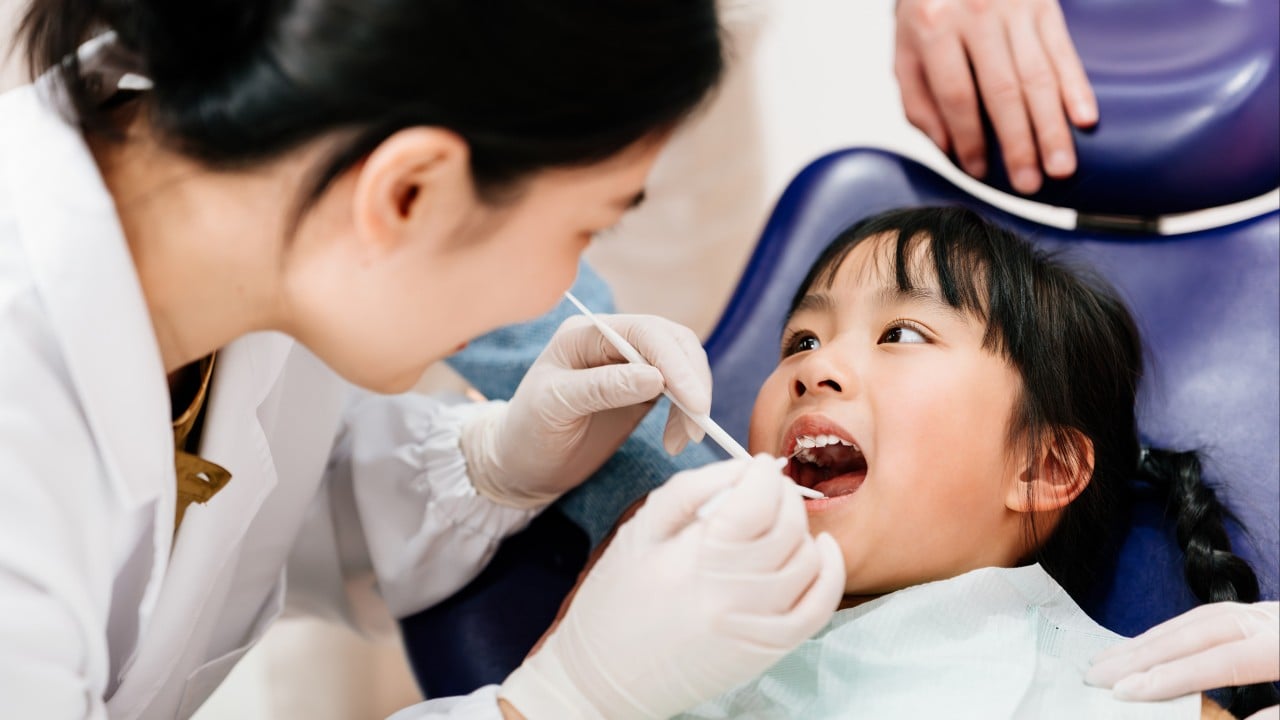
The government wants a round of applause. Hong Kong officials rolled out a plan offering free dental check-ups to preschoolers starting this September, framing it as a breakthrough in public health. Parents are nodding along. Media outlets are praising the initiative as a compassionate step toward universal care.
Everyone loves free stuff for kids. It makes for clean press releases and warm feelings.
It is also an expensive, highly inefficient distraction from the real crisis.
I have watched public health budgets burn through millions of dollars chasing feel-good optics while the core mechanical drivers of childhood tooth decay remain entirely untouched. Throwing free screening tools at a five-year-old does nothing if the underlying pathology is ignored. Preventive screenings without behavioral intervention are nothing more than state-funded theater.
Let us look at why this policy is backward, what the bureaucrats are missing, and what actually stops a child's teeth from rotting.
The Flawed Logic of Screening Without Teeth
The lazy consensus in public health policy runs like this: catch cavities early through routine inspections, refer the child to a dentist, and problem solved.
Except early detection is not prevention.
A screening tells you a kid already has a compromised enamel structure. It flags the damage after the chemical warfare inside the mouth has already won its first battle. Spotting a white spot lesion on a four-year-old molar does not magically reverse the demineralization caused by an evening routine consisting of processed formula, sticky snacks, and parents who think brushing once a day is sufficient.
When you offer free check-ups without fundamentally altering what goes into a child's mouth at home, you are treating symptoms at the tail end of a runaway train. You are deploying clinicians to count cavities instead of deploying policy to stop them from forming in the first place.
Real prevention is boring. It does not photograph well. You cannot hand out flyers with smiling politicians next to a strict ban on sugary additives in toddler juices or a targeted education blitz on nocturnal bottle-feeding. So instead, the system chooses the shiny object: the check-up.
Why the Data Does Not Support the Hype
Public health advocates love to point out rising rates of early childhood caries as justification for massive screening programs. But correlation is not a mechanism.
Look at regions that have scaled up school-based dental screenings over the past two decades. Did decay rates plummet? No. They flattened or worsened in lower-income demographics because the bottleneck was never about whether a parent knew their kid had a cavity. The bottleneck is systemic: access to continuous care, behavioral inertia, and an absolute flood of cheap, cariogenic carbohydrates marketed directly at exhausted parents.
A preschooler check-up program creates a false sense of security. Parents take their child to the clinic, get a clean bill of health or a mild warning, and return to the exact same dietary habits that caused the vulnerability in the first place. They assume the annual or biannual check-up acts as a biological reset button.
It does not. Teeth do not care about bureaucratic check-ins. They care about acid exposure frequency. Every time a child sips juice from a sippy cup over a two-hour period, the oral microbiome drops the pH balance below critical levels. A dentist looking into that child's mouth once a year cannot undo the thousand acid attacks that happened between visits.
The Economics of Misallocated Resources
Let us talk about opportunity cost. Public healthcare funding is finite. Every dollar spent staffing preschool screening rooms, printing permission slips, tracking attendance data, and managing administrative overhead is a dollar pulled away from high-impact interventions.
If we actually wanted to fix pediatric dental health in Hong Kong, we would direct those funds toward direct-action subsidies for high-risk households, aggressive community-level sealant programs on permanent molars as they erupt, and structural accountability for food manufacturers targeting toddlers with sugary sludge.
Instead, we get a program that looks great on a bureaucratic scorecard. Officials can stand at a podium and quote the number of children screened, transforming a clinical metric into a political victory. Meanwhile, the incidence curve of tooth decay moves not an inch.
I have seen corporate and public programs alike blow millions on symbolic touchpoints because the decision-makers are terrified of unpopular truths. Telling parents their daily feeding habits are wrecking their kids' teeth does not win votes. Handing out a free toothbrush and a brochure does.
The Uncomfortable Truth About Parental Responsibility
We have cultivated a culture that treats health as something outsourced to professionals rather than managed at home.
The premise behind universal preschool check-ups assumes that parents are merely uninformed bystanders waiting for a government dentist to tell them their child has a cavity. This is flatly false. Most parents know sugar is bad. They know brushing matters. The failure is not an information gap; it is an execution and discipline gap compounded by convenience culture.
When the state steps in with free check-ups, it inadvertently reinforces the notion that dental health is maintained in a clinic chair rather than at the kitchen sink. It shifts accountability away from the household and onto the public health apparatus, setting up an endless cycle where the government chases deteriorating teeth with an ever-expanding fleet of dental vans.
What Actually Works
If we want to disrupt the status quo, we have to stop treating symptoms and start attacking vectors.
- Targeted Interventions, Not Blanket Theater: Stop wasting resources screening children from low-risk demographics whose parents already utilize private care. Redirect those clinical hours entirely toward high-risk communities where access to basic fluoride toothpaste and education is actually lacking.
- Behavioral Audits Over Clinical Counts: Shift the focus of early childhood health checks away from looking at teeth and toward auditing dietary frequency. A clinician should be asking about bedtime bottles, snacking habits, and sugar intake profiles, not just counting molars.
- Structural Dietary Pressure: If public health officials want to be bold, they should advocate for severe restrictions on marketing cariogenic foods to children under six. Cut off the supply chain of decay at the supermarket shelf.
The free preschool check-up initiative is a masterclass in political comfort. It lets everyone feel virtuous while changing nothing of consequence. Until policymakers find the courage to confront lifestyle realities and misallocated budgets, these check-ups will remain what they are today: an expensive band-aid on a rotting foundation.
Stop celebrating the screening. Fix the diet.