French politics has a funny way of boiling over all at once. One minute you're watching routine budget debates, and the next, thousands of teenagers are blockading high schools while transport arteries choke on fuel panic.
When the government announced plans to tap emergency fuel reserves, it wasn't happening in a vacuum. It was a desperate attempt to put out multiple fires at once—literally and figuratively.
The Pressure Cooker in the Streets
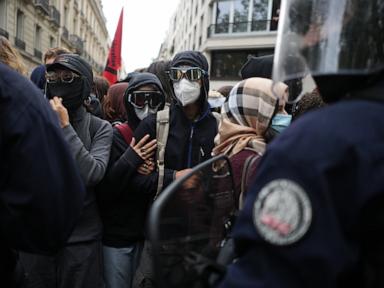
You cannot understand the decision to release millions of barrels of diesel without looking at the absolute chaos gripping French towns. High school students mobilized by the thousands, shutting down hundreds of institutions. They weren't just skipping class for fun. Frustration over slashed education budgets, crumbling infrastructure, and a bleak economic outlook boiled over into fiery street clashes with riot police.
At the exact same time, everyday citizens were getting crushed at the pump. Diesel prices had climbed to punishing heights, squeezing commuters, truckers, and rural households who rely on fuel just to function. When energy costs spike alongside failing public services, public anger doesn't simmer—it explodes.
Breaking Into the Strategic Vaults
To combat the surge, authorities turned to a heavy-handed intervention. France moved to release millions of barrels of diesel from its strategic reserves, feeding cheaper fuel back into the distribution pipeline over a multi-month window.
Instead of traditional tax cuts—which cost the state massive tax revenues it desperately needs to keep its deficit under control—the government opted to supply pre-purchased stocks directly to distributors at acquisition cost. The goal was simple: force retail prices down without completely wrecking the national budget.
But emergency stockpiles are tricky business. As drivers rushed to local stations to cash in on the relief, localized shortages cropped up across Paris and the northeast. Low water levels on the Rhine river made barge transport difficult, compounding supply chain friction just as demand surged.
A Temporary Fix for Structural Cracks
Releasing emergency fuel might buy some breathing room, but it doesn't solve the core disease. The student strikes and fuel anxiety are symptoms of a deeper exhaustion with economic stagnation.
Prime Minister Sébastien Lecornu scrambled to promise consultations, rolling out priorities focused on fixing absent teachers, upgrading dilapidated buildings, and reforming university admissions. Yet, cynicism runs deep. Protesters have heard promises before. Handing out discounted diesel or scheduling committees won't silence a generation that feels left behind by policymakers in Paris.
If you are tracking European energy markets or civil unrest, keep a close eye on how these temporary reserve releases play out. When governments start cracking open emergency vaults to appease restless streets, it usually means the safety margins are gone.