Four-thirty in the morning. The air outside is biting, carrying the sharp scent of eucalyptus and dry earth across the southern plains of New South Wales. Arthur leans against the fender of his combine harvester, breath pluming white in the headlights. He taps the fuel gauge. It sits too close to empty.
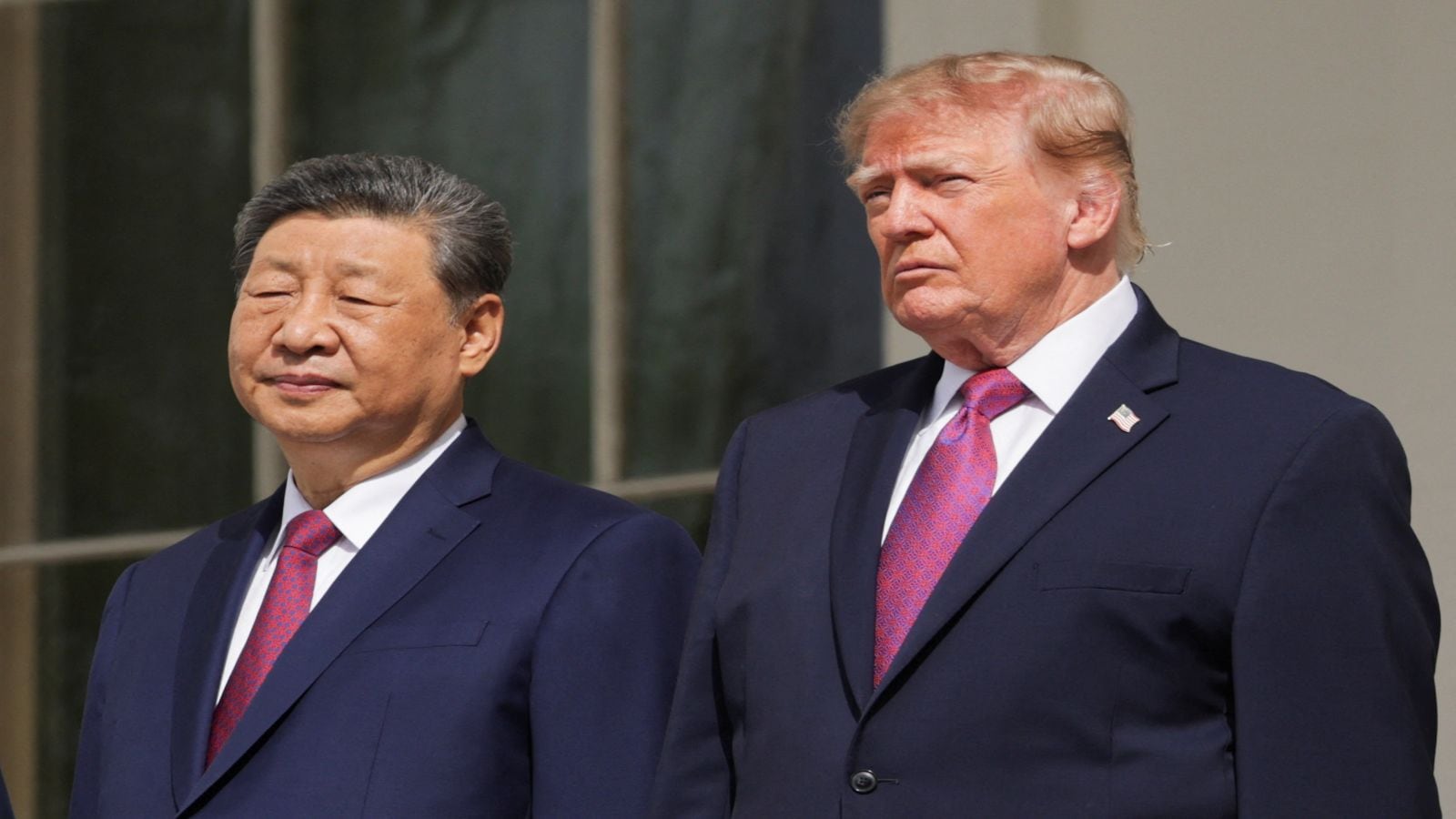
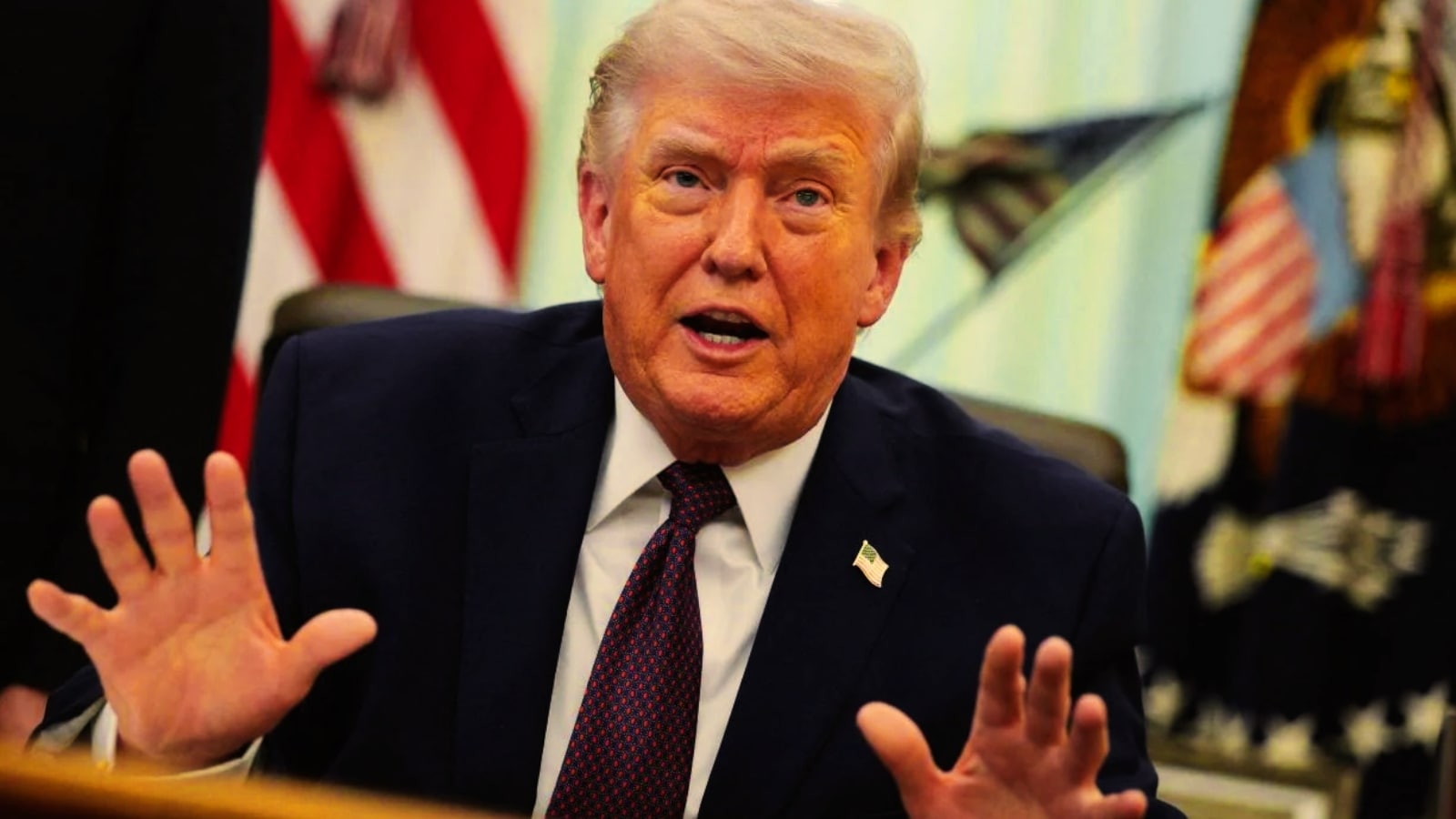
Across the Pacific, thousands of miles away, a screen flickers in a cluttered office in Washington. Numbers crawl upward. Red ticks. Diesel futures are climbing, stretching household budgets to a breaking point that voters will not forgive. In political corridors, panic smells like stale coffee and rising poll numbers. A solution is drafted, clean and sharp on paper: keep the fuel at home. Ban the exports. Protect the domestic consumer. Also making news in this space: The Structural Mechanics of Superpower Negotiations Quantifying the Trump Xi Bilateral Equilibrium.
To the policy drafters, it is a line on a spreadsheet. To Arthur, it is the difference between a harvest brought home and ruin.
We live in an era that pretends distance no longer matters. We swipe a screen and a package arrives from another continent. We flick a switch and power surges from grids we cannot see. We treat the global economy like an infinite, self-healing ocean, oblivious to the fact that we are all floating on a very thin raft made of logistics, trust, and refined petroleum. More information into this topic are detailed by The Wall Street Journal.
Diesel is the invisible blood of modern civilization. It does not power sports cars or romantic coastal drives; it powers the heavy machinery that turns the earth. It pulls freight trains across continents. It pushes massive container ships through salt spray. It keeps emergency generators humming in remote towns where the electricity grid is a polite fiction. When diesel flows smoothly, food moves from field to market, store shelves stay full, and life feels stable. When it stutters, everything grinds to a halt.
For decades, Australia walked down a quiet, irreversible path. One by one, the country’s domestic oil refineries wound down their operations. Refining crude is dirty, expensive, and logistically complex. It was cheaper, the markets decided, to buy the finished product from elsewhere. Singapore, South Korea, India, and crucially, the United States. Australia traded local self-reliance for global efficiency. It worked brilliantly—until it didn't.
Efficiency is a wonderful machine until a wrench gets thrown into the gears.
When domestic prices spike in the United States, political gravity exerts a powerful pull. Leaders facing inflation and restless electorates look for tools to calm public anger. The idea of restricting fuel exports—keeping American diesel inside American borders—sounds like common sense to a domestic audience. Why should local citizens pay exorbitant prices while domestic fuel is shipped across the ocean to distant ports?
It is an understandable impulse. It is also an earthquake felt half a world away.
Consider what happens when a major supplier slams the door shut. Global markets do not absorb shocks gracefully; they transmit them, magnified, through a chain of dominoes. If American diesel stays home, international supply tightens instantly. Prices spike globally, not just locally. But for countries like Australia, the problem is not merely price. It is physical availability. You cannot burn a high price if the cargo ship is empty.
Arthur does not know the intricacies of international trade law. He does not sit in corporate boardrooms in Houston or Canberra. But he understands pressure of a different kind—the kind dictated by the unyielding march of the seasons. Crops do not wait for geopolitical trade disputes to settle. Wheat and barley mature on a schedule dictated by the sun and the rain, not by legislative debates. If the tractor cannot run, the grain rots in the stalk.
This is the hidden vulnerability of our modern world. We have optimized every system for maximum profit and minimum slack, stripping away the safety margins that human societies used to maintain as insurance against bad luck. Every redundancy was cut. Every backup plan was monetized. We built a system that runs at peak performance every single second of the day, leaving zero room for error, weather, or political panic.
When a supply risk emerges, it travels down the line with terrifying speed. A restriction in the Northern Hemisphere translates into empty tanks in the Southern Hemisphere. Shipping companies scramble for alternative routes, bidding up freight rates. Refineries elsewhere cannot simply double their output overnight; crude processing takes time, specialized infrastructure, and specific chemical inputs.
The ripple effects reach far beyond the farm gate. Transport operators face impossible choices. Do they absorb the surging cost of fuel, or do they pass it on to the grocery store, the hardware supplier, the local manufacturer? Every link in the supply chain absorbs the strain, stretching until something snaps.
Meet Sarah, three thousand miles away from Arthur’s farm, sitting in a dispatcher's office outside of Melbourne. Her desk is a battlefield of maps, phone logs, and manifest sheets. She manages a fleet of heavy semi-trucks that haul freight across the vast, empty stretches of the Australian interior. For Sarah, a diesel shortage is not a political talking point on the evening news; it is a frantic phone call from a driver stranded fifty miles outside a dusty outpost because local pumps have dry-capped their reserves.
"We are running on borrowed time," Sarah says, staring at a replenishment schedule that keeps getting pushed back by days, then weeks. "People think trucks just run because they exist. They don't realize that every single container of milk, every box of medicine, every pallet of canned goods is attached to an umbilical cord of diesel. Cut that cord, and society starts to unravel in about seventy-two hours."
We often think of global economics as an abstract science full of charts, percentages, and macroeconomic theory. We look at GDP growth and inflation metrics as if they were weather reports—things happening to us rather than things built by us. But behind every percentage point is a human reality. It is a trucker staring at a diesel pump that costs twice what it did last year. It is a shipping executive staring at a map with blinking red lights. It is a family standing in a supermarket aisle wondering why basic staples cost what luxury goods used to cost.
The temptation toward economic nationalism is ancient and seductive. In times of stress, the natural instinct is to pull the drawbridge up, lock the gates, and look after your own. Every nation for itself. But a globally interconnected energy market does not work like a medieval fortress. You cannot wall off one section of a sinking ship and expect the rest of the vessel to stay dry.
If the United States pursues an export restriction, it signals a dangerous precedent. It turns trade into a weapon and energy security into a zero-sum game. And once one nation starts hoarding its resources, others follow suit. Export bans breed export bans. Protectionism begets protectionism. Before long, the fragile architecture of international trade begins to crumble, replaced by a chaotic scramble of beggar-thy-neighbor policies where the smallest and most dependent nations pay the highest price.
For Australia, this moment serves as a stark, uncomfortable mirror. It reveals the cost of outsourcing foundational infrastructure. When a nation allows its heavy industry and refining capacity to wither away in the name of free-market purity, it trades national resilience for temporary cost savings. It trades long-term sovereignty for a short-term discount. And the bill, when it finally comes due, is always paid with crushing interest.
Back on the farm, the grey dawn is breaking over the horizon, turning the dry scrub a bruised shade of purple and gold. Arthur climbs down from the cab of his harvester. He walks over to the edge of the paddock, picking up a handful of soil. It is dry, powdery, holding the memory of the last rain months ago.
He looks across his land. He looks at the heavy iron machinery that represents his livelihood, his family’s future, and a year of grueling labor. That machinery is thirsty. It runs on a dark, heavy liquid that was pumped from the earth thousands of miles away, refined in massive industrial complexes, loaded onto steel behemoths, and carried across oceans on faith and contract.
It is a staggering, miraculous chain of human ingenuity. And it is hanging by a thread.
The political debates in distant capitals will continue. Pundits will argue over protectionism, inflation metrics, and market intervention. Headlines will flash across screens about supply risks and export bans. But out here, where the earth meets the sky, the reality is much simpler and much heavier.
We are tethered to one another, whether we wish to be or not. The choices made by a politician in a crowded room thousands of miles away will soon echo in the silence of an empty fuel tank on a lonely southern plain. The question we refuse to ask ourselves is not whether the system can break—it is how much shock it can absorb before we realize that no nation is an island, and no supply chain is truly invisible.
The sun clears the horizon at last, washing the fields in a harsh, unforgiving light. The engine waits.