The British public expects the justice system to balance rehabilitation with punishment, but sometimes a court decision breaks that trust entirely. In May 2026, Judge Nicholas Rowland spared three teenage boys custodial sentences after they were convicted of a series of horrific, premeditated rapes against two young girls in Fordingbridge, Hampshire. Instead of detention, they walked out of Southampton Crown Court with youth rehabilitation orders. The justification? The judge wanted to "avoid criminalising these children unnecessarily."
That decision didn't sit well with the public, politicians, or the victims.
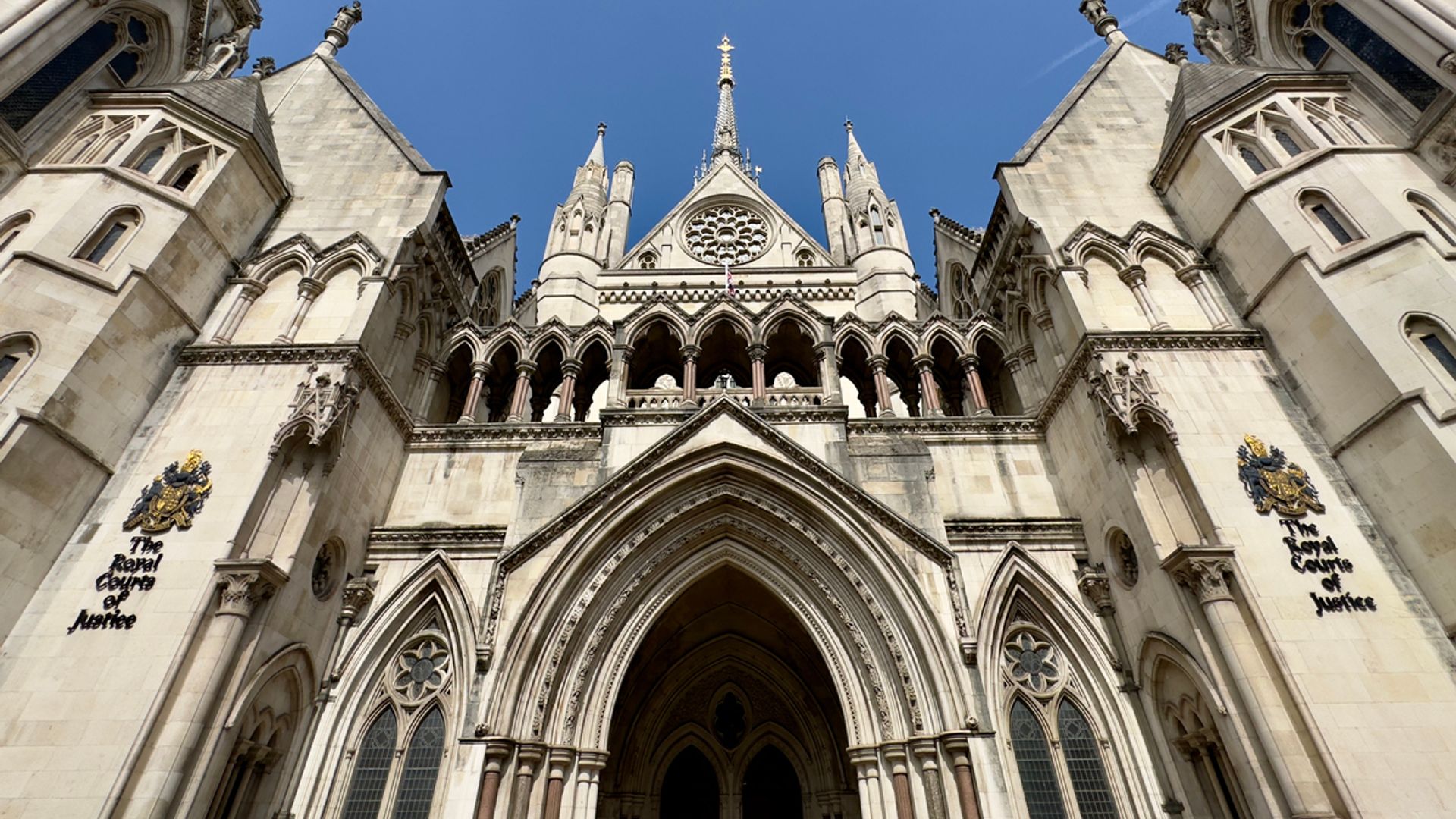
On July 1, 2026, the case reached the Court of Appeal after an urgent referral by the Attorney General under the Unduly Lenient Sentence scheme. Barristers representing the state argued fiercely that detention was the "only appropriate sentence" for crimes of this magnitude. The case forces us to confront a uncomfortable reality: when does a focus on a young perpetrator’s rehabilitation cross the line into total erasure of a victim's trauma?
Inside the Fordingbridge Attacks
To understand why this appeal matters so much, you have to look at the sheer brutality and calculation behind the offenses. These weren't impulsive mistakes born of poor teenage judgment. They were planned, weaponized assaults.
The first attack happened in November 2024. A 15-year-old girl traveled to meet a boy she had been messaging on Snapchat, believing it was a normal first date. Instead, she was lured to an underpass by the River Avon, where two 14-year-old boys physically overpowered and raped her. The entire 90-minute ordeal was filmed on a mobile phone and later shared on social media, exposing her to an onslaught of cyberbullying and online abuse.
Two months later, in January 2025, the group struck again. This time, they targeted a 14-year-old girl near a recreation ground. They forced her to leave her phone and AirTag behind so her location couldn't be tracked, threatened her with a knife, and dragged her to a secluded field. Two of the boys took turns raping her while a third boy, then 13, encouraged them. Again, they filmed the attack for digital consumption.
The Flawed Logic of the Initial Sentence
When the boys were sentenced in May 2026, the two older defendants, now 15, received three-year youth rehabilitation orders with intensive supervision. The youngest, now 14, received an 18-month order.
Judge Rowland defended his leniency by citing the boys' complex backgrounds. One had been diagnosed with ADHD and severe anxiety. Another had a cognitive impairment and an IQ placing him in the bottom 1% of his peers. The judge argued that peer pressure drove the attacks and that a structured rehabilitation program in the community offered the best chance to ensure they wouldn't pose a risk as adults.
But during the Court of Appeal hearing, Tom Little KC, appearing for the Attorney General, cut straight through that reasoning. He argued that the sentencing judge's approach was "fundamentally flawed" and systematically minimized the gravity of the case.
Consider how the victims were treated in the original sentencing remarks. Despite extensive evidence detailing the profound psychological harm inflicted on both girls, the judge dedicated just a line-and-a-half to their suffering. One of the victims stated that the trial "broke something inside me" and left her permanently damaged. By focusing almost exclusively on the mitigating factors of the perpetrators, the court functionally signaled that the boys' futures mattered more than the victims' lives.
Furthermore, youth justice services had explicitly assessed the two older boys as a "high risk of serious harm" to young females. Letting teenagers with that risk profile walk free back into the community, under the guise of avoiding "unnecessary criminalisation," undermines public safety.
Systemic Failures and Online Misogyny
The Fordingbridge case doesn't exist in a vacuum. It highlights a darker, systemic trend that safeguarding experts and politicians have been warning about for years.
Former safeguarding minister Jess Phillips pointed out that these boys were essentially "raping for content." The act of filming the assaults and distributing them online to gloat among peers reveals how deeply embedded toxic online subcultures have become among young men. When algorithms feed algorithmic misogyny to vulnerable or cognitively impaired boys, the real-world consequences are devastating.
When the justice system treats group sexual violence as a byproduct of mere "peer pressure," it fails to hold teenagers accountable for choices that require deliberate coordination, like forcing a victim to ditch her AirTag.
What Happens Next
The Court of Appeal is expected to deliver its judgment swiftly. The three judges, led by Lady Chief Justice Baroness Carr, indicated they intend to address the teenage defendants directly via video link to explain their final decision.
If the appellate court rules that the original sentences were indeed unduly lenient, the youth rehabilitation orders will be quashed, and the boys will face immediate, lengthy terms of youth detention.
For the justice system, this is a defining moment. It needs to establish a clear boundary: a perpetrator's youth and intellectual limitations are valid mitigating factors, but they cannot be used as a blank check to bypass custodial punishment for organized, weaponized violence. True justice requires a system that sees the victim's trauma just as clearly as it sees the defendant's challenges.