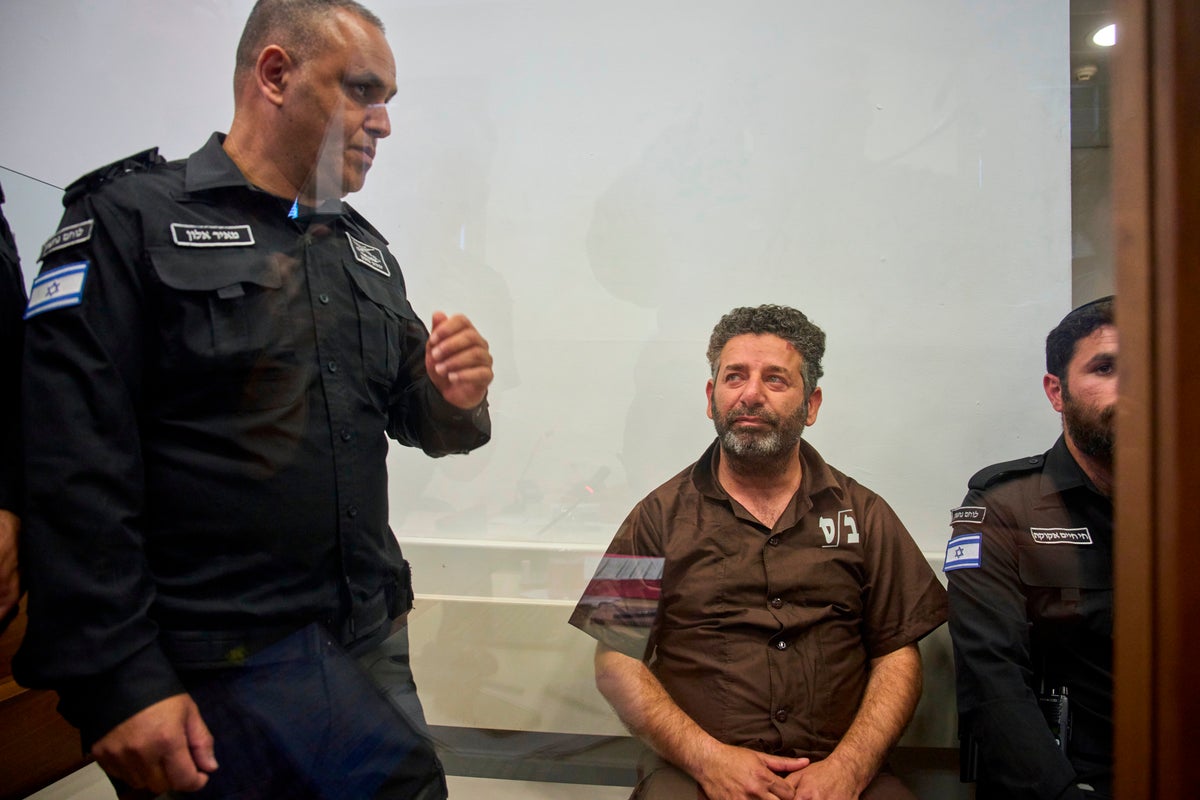
The standard media narrative regarding the deportation of aid activists from Israel follows a tired, predictable script. Activists set sail with noble intentions. Israel intercepts them. A week of detention follows, ending in a quiet deportation and a flurry of indignant press releases. Most commentators treat this as a simple clash between humanitarianism and military overreach. They are wrong.
This isn’t a story about aid. It is a story about the terminal decline of symbolic theater in modern warfare. By focusing on the "plight" of the deported, we ignore the cold reality: the flotilla model is an obsolete tactic that does more to pad activist resumes than it does to put calories into the mouths of people in Gaza.
The Logistics of Virtue Signaling
Let’s look at the math. A single mid-sized cargo ship or a few smaller vessels carry a fraction of what a land crossing handles in a single afternoon. If the goal were purely logistical—getting flour, medicine, and fuel to a civilian population—the sea route is the least efficient, most expensive, and highest-risk method available.
When activists choose the sea, they aren't choosing efficiency. They are choosing a stage. The detention and subsequent deportation are not "obstacles" to their mission; they are the mission. The goal is the arrest. The goal is the headline. The aid is merely the prop used to gain entry to the theater.
I’ve watched various geopolitical "disruptors" burn through millions of dollars in donor capital to fund these maritime stunts. If you took the cost of chartering those vessels, paying the insurance premiums (which are astronomical for "activist" ships), and the legal fees for the inevitable deportation hearings, you could have purchased ten times the amount of aid and delivered it through established, albeit "boring," international channels.
The Myth of the "Illegal" Blockade
Critics love to scream about the illegality of the maritime blockade. They cite international law as if it were a static, undisputed holy text. In reality, the San Remo Manual on International Law Applicable to Armed Conflicts at Sea provides a clear framework for blockades.
A blockade is a recognized tool of war. If a state can demonstrate that it is a military necessity and that it isn't intended to starve the civilian population, it stands. Israel’s legal team has successfully argued this in international forums for decades. You don't have to like the policy to acknowledge that "illegal" is a lazy label used by people who haven't read the fine print of maritime law.
When these activists are detained, they aren't being "kidnapped" in international waters; they are being intercepted for attempting to breach a declared military zone. If you try to drive a truck through a cordoned-off military base in your own country, you get arrested. The sea doesn't magically waive those rules because you have a bag of rice and a camera crew.
The High Cost of Amateur Diplomacy
The most dangerous aspect of the flotilla movement isn't the physical confrontation; it's the erosion of professional humanitarian standards.
Organizations like the Red Cross or the World Food Programme operate on principles of neutrality and coordination. They talk to all sides. They secure guarantees. They move goods quietly and effectively. Flotilla activists do the opposite. They intentionally provoke a reaction, which forces the hand of both the blockading power and the local authorities.
This amateurism creates a "security tax" on all future aid. Every time a "humanitarian" vessel tries to ram through a blockade, the military requirements for inspecting legitimate aid increase. The activists get their 15 minutes on a news crawl, and the actual professional logisticians have to deal with three new layers of red tape and suspicion.
The Deportation Loophole
Why does Israel deport them after a week? Because the activists have no legal standing to stay, and the state has no desire to turn them into martyrs or long-term guests. The week-long detention serves as a cooling-off period and a processing window.
The "outrage" over the deportation is the most disingenuous part of the cycle. These individuals entered a conflict zone without a visa, via a prohibited route, with the express intent of breaking the law. Deportation is the standard, mildest possible outcome for that behavior in any sovereign nation.
If an activist wants to help Gaza, they should be working with the UN or NGOs that have the infrastructure to actually manage a supply chain. But that doesn't involve a dramatic standoff at sea. It involves spreadsheets, customs forms, and quiet diplomacy. It’s not "brave." It’s just work.
The Real Power Dynamics
We need to stop asking "Was the deportation fair?" and start asking "Who does this stunt serve?"
It serves the activists, who return home to a hero's welcome and a bump in their social media following. It serves the hardliners on both sides, who use the footage to justify their pre-existing biases. The only group it doesn't serve is the civilian population of Gaza, who remain pawns in a maritime chess game they didn't ask to play.
The era of the "freedom flotilla" is over. It has become a parody of itself—a predictable, choreographed dance between two sides that know exactly how the scene ends. One side sails, the other intercepts, the cameras roll, the deportation orders are signed, and the aid stays in the hold or gets diverted to a port where it could have been sent weeks ago for half the price.
If you actually care about human lives, stop cheering for the ships. Start demanding boring, efficient, and untelevised logistics. Everything else is just vanity.
Stop pretending that a week in a detention center followed by a flight back to Europe is a tragedy. The real tragedy is the millions of dollars wasted on a theater production that hasn't changed the needle on the ground in twenty years.
The ship has sailed on this tactic. It’s time to sink it for good.