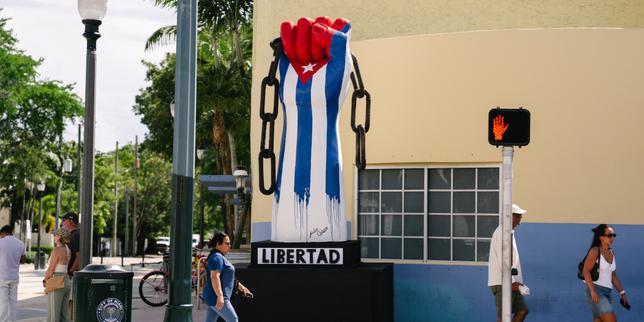
If you walked through Miami-Dade County in late 2024, you saw a political earthquake unfolding in real-time. Hispanic voters, historically leaning toward Democrats, turned out in massive numbers to hand Donald Trump a historic victory. A massive chunk of that momentum came from the Cuban-American community. They voted primarily on pocketbook issues—inflation, grocery prices, and the cost of rent. They figured conservative economic policies would offer relief.
Fast forward to today, and that unwavering loyalty is fracturing in ways few political strategists predicted.
The core of the betrayal isn't about inflation anymore. It is about immigration, deportation, and a sudden, shocking shift in how the federal government treats newcomers from the island. When ICE arrests of Cuban nationals spike by hundreds of percentage points and green card approvals grind to a sudden halt, people notice. Families who voted for a strong leader are now watching ICE detain their neighbors, friends, and even relatives at routine check-ins.
The Illusion of Exceptionalism
For decades, the Cuban diaspora operated under a specific set of rules. The Cuban Adjustment Act of the 1960s meant that arriving from the island was fundamentally different from migrating from anywhere else in Latin America. Generations of exiles built lives in Florida believing their community held a protected status.
During the 2024 campaign, many recent arrivals and established families alike convinced themselves that tough rhetoric on the border wouldn't apply to them. They assumed the administration was targeting gangs or violent offenders, not people fleeing an authoritarian regime. That dissociation evaporated the moment immigration services paused applications from multiple countries, including Cuba, and began questioning permanent residents returning from humanitarian visits back home.
When you tell a community that they are safe because of their anti-communist stance, but then subject their families to aggressive detention pipelines, the political contract shatters.
Why the Crackdown Stings So Deeply
The betrayal cuts on a personal level because of who is executing the policy. High-profile figures of Cuban descent within the administration, such as Secretary of State Marco Rubio, were once viewed as undisputed champions of the exile community. Now, activists in South Florida find themselves pleading with those same leaders to protect basic rights, like the ability of exiles to return or for dissidents' families to remain intact.
The contradiction is glaring. Voters who embraced a conservative platform to secure stability are now watching loved ones face deportation to the very humanitarian crisis they fled. As local business owners and workers point out, recent migrants are often filling essential jobs that keep Florida's service and agricultural sectors running.
The Political Fallout for Republicans
Republicans have long counted on Miami-Dade as an unshakeable red fortress. That assumption is no longer safe.
When voters feel lied to about who bears the brunt of sweeping federal crackdowns, party loyalty gets tested. You can't separate the promise of economic prosperity from the reality of family separation. While many older, naturalized Cuban-Americans remain steadfastly conservative, younger generations and newer arrivals are re-evaluating what blind allegiance actually costs them.
The political landscape in Florida is shifting. Ignore these cracks at your own peril.
Fubu Toy review
This video from search results provides additional context on how the Trump administration's immigration policies affecting Cubans are playing out politically in Florida.


