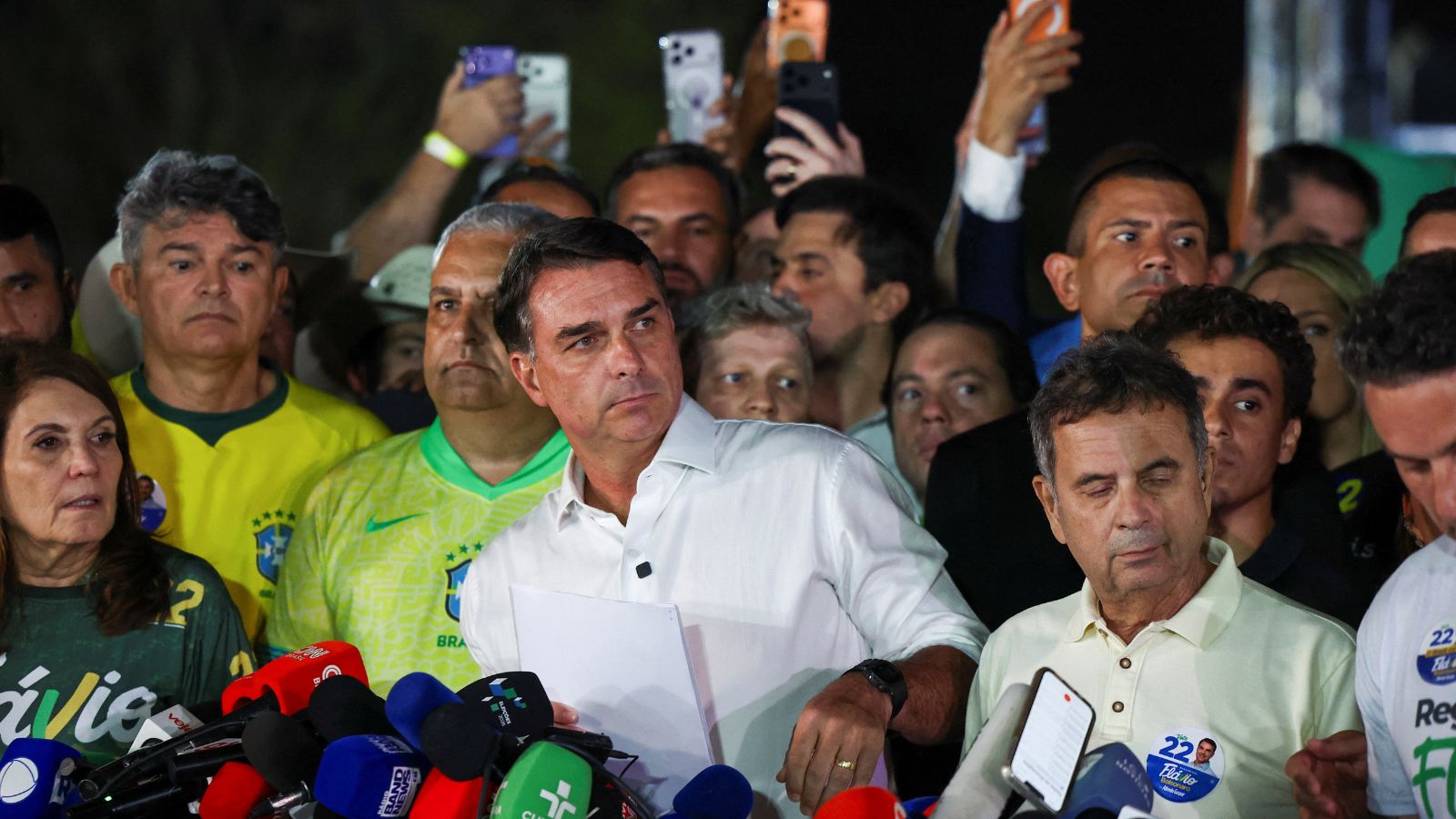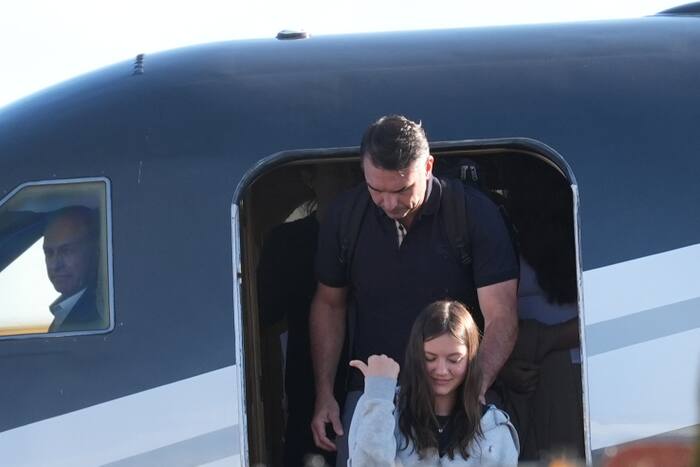
When a defeated presidential candidate boards a plane out of their home country right after an election, people notice. When that candidate is Flávio Bolsonaro touching down in Miami with his family, the internet immediately explodes with rumors of exile, criminal investigations, and political collapse.
Honestly, most of the hot takes flying around social media miss the actual story. People love a dramatic headline about a politician "fleeing" justice, and that framing gets clicks fast. Look closer at the reality of Brazilian politics, Florida's massive Brazilian diaspora, and the legal pressures surrounding the Bolsonaro family, and a much clearer picture emerges.
You don't need conspiracy theories to understand why South Florida is the default landing spot for Brazil's conservative elite. You just need to look at the history, the legal calendar in Brasília, and the playbook this family has used for years.
What Really Happened When Flávio Bolsonaro Arrived in Miami
Let's strip away the cable news sensationalism first. Flávio Bolsonaro, the eldest son of former Brazilian President Jair Bolsonaro and a sitting Brazilian senator, traveled to Miami with his family following a bitter presidential defeat. Sightings and flight tracking reports quickly circulated online, sparking immediate claims that he was abandoning Brazil to dodge accountability.
Here's the catch. Traveling to Florida isn't exactly unusual for the Bolsonaro clan.
In late December 2022, just days before Luiz Inácio Lula da Silva was inaugurated, Jair Bolsonaro himself flew to Orlando, Florida. He stayed there for three months, hanging out in suburban gated communities, eating fast food, and avoiding the traditional presidential sash handover in Brasília. Critics called it fleeing back then, too. Supporters called it a well-deserved break and a strategic timeout.
Flávio's arrival in Miami follows that exact same geographic and political pattern. South Florida—specifically Miami-Dade and Broward counties—functions like an unofficial extension of conservative Brazilian politics. Hundreds of thousands of Brazilian expats live there. Many of them are wealthy, fiercely anti-Worker's Party, and deeply loyal to the Bolsonarist movement.
When things get hot in Brasília, Miami isn't foreign territory for them. It's a safe zone where nobody boos them at restaurants and local politicians gladly pose for photos.
Why South Florida Is the Ultimate Safe Haven for Brazilian Politicians
If you've ever spent time in Sunny Isles Beach, Doral, or Weston, you know Portuguese is practically a co-official language there. Over the past decade, political instability and economic swings in Brazil pushed waves of upper-middle-class families and business owners straight to South Florida.
That demographic shift created a built-in support network for figures like Flávio Bolsonaro.
- Friendly political turf: Florida's state leadership and local congressional representatives have actively courted conservative Latin American figures for years. Politicians from Brazil, Venezuela, and Nicaragua regularly treat Miami as a base for international networking.
- Financial infrastructure: High-net-worth Brazilians have parked billions of dollars in Miami real estate and U.S. banking institutions. Navigating life there requires zero adjustment if you already have connections in the expat business community.
- Media insulation: Instead of facing hostile press conferences in Brasília or São Paulo, a politician in Miami can speak directly to friendly digital influencers, YouTube channels, and expat-focused outlets.
Still, optics matter enormously in politics. Leaving the country immediately after losing a national race sends an unmistakable signal to voters back home, even if you claim you're just taking a family vacation.
The Legal Shadow Hanging Over Brasília
You can't talk about Flávio Bolsonaro leaving Brazil without talking about the courts. That's the elephant in the room, and pretending otherwise would be naive.
For years, Brazil's Supreme Federal Court (STF), particularly Justice Alexandre de Moraes, has aggressively investigated allies of the Bolsonaro administration. Those probes cover everything from alleged misinformation networks and anti-democratic rhetoric to the January 8, 2023 riots in Brasília and separate corruption allegations.
Flávio himself has weathered serious legal storms in the past. Most notably, prosecutors investigated him over an alleged rachadinha scheme—a practice where lawmakers allegedly pocket a portion of their staffers' salaries—dating back to his time as a state deputy in Rio de Janeiro. While procedural rulings eventually dismantled key parts of that specific case, the broader legal environment in Brazil remains perilous for anyone carrying the Bolsonaro last name.
When a politician loses an election, they lose political momentum. If they also eventually lose parliamentary immunity—the legal shield that forces sitting senators and deputies to be tried only by the Supreme Court rather than lower courts—their vulnerability spikes overnight.
Does flying to Miami stop a Brazilian judge from issuing a subpoena or freezing domestic assets? Not at all. Brazil and the United States even have a longstanding extradition treaty, though extradition for political offenses is notoriously difficult and rare. What leaving the country does achieve is buying time, controlling physical access, and avoiding the humiliation of dramatic police searches at dawn—a tactic Brazilian federal police have used repeatedly against high-profile targets.
The Political Cost of Leaving Voters Behind
Here's where the strategy gets messy. While flying to Miami protects your peace of mind, it can wreck your credibility with the base you left behind.
Think about the average conservative voter in interior São Paulo, Minas Gerais, or southern Brazil. They spent months campaigning, arguing with relatives, and buying into the narrative that they were fighting an existential battle for their country's future. Watching their leader pack up his family and head to a luxury coastal city in the United States right after losing feels, to many, like abandonment.
We saw this exact backlash play out when Jair Bolsonaro went to Orlando in 2022. Even die-hard allies privately grumbled that the boss had skipped town while regular protesters were getting arrested in Brasília. Some felt betrayed. Others wondered who was actually leading the opposition while the figurehead was shopping at Publix.
Flávio Bolsonaro faces that exact same trap. By stepping onto American soil right after defeat, he hands his political opponents an effortless talking point. Lula's allies and left-leaning commentators don't even have to invent attacks—they just point to the flight logs and ask why a self-proclaimed patriot ran away the second the votes were counted.
If Flávio intends to keep any real grip on Brazil's right-wing coalition, he can't govern an opposition movement from a condo in Miami. Brazilian politics is brutally physical and local. Municipal elections, congressional committee fights, and regional party alliances require showing up in person. Absence doesn't make the heart grow fonder in Brasília; it just invites rivals to carve up your territory.
How to Spot Fact From Spin in Brazilian Political Coverage
Whenever a major Brazilian political figure travels abroad during a crisis, misinformation floods English and Portuguese social media simultaneously. Both sides weaponize the narrative. Critics claim an arrest warrant is imminent; defenders claim it's a routine diplomatic or family trip.
If you're trying to follow this story without getting played by partisan spin, watch three concrete indicators instead of viral tweets:
- Check the Senate calendar in Brasília. Sitting senators have official parliamentary duties, committee votes, and recess periods. Whether a trip happens during an active legislative session or an official recess tells you immediately if standard rules are being bent.
- Watch the Diário Oficial and Supreme Court dockets. Real legal trouble leaves a paper trail. If Brazil's Prosecutor General (PGR) files formal charges or the Supreme Court restricts passport privileges, those filings become public record quickly. Rumors on X mean nothing without a docket number.
- Track return dates and asset declarations. Politicians who are genuinely relocating permanently start liquidating domestic holdings, resigning committee posts, or establishing formal residency abroad. A two-week stay with a return ticket looks very different from pulling kids out of school mid-term.
What Happens Next for the Bolsonaro Brand
Right-wing politics in Brazil isn't going away, regardless of where Flávio Bolsonaro spends his weekends. Millions of Brazilians remain deeply skeptical of the current government, frustrated by taxes, crime, and judicial overreach. That voter base is massive, organized, and hungry for leadership.
The real question isn't whether conservative populism survives in Brazil—it's who leads it.
Every time a Bolsonaro steps back or leaves the country, ambitious governors and senators step forward to fill the vacuum. Figures like São Paulo Governor Tarcísio de Freitas, Minas Gerais Governor Romeu Zema, and Paraná Governor Ratinho Júnior have spent years building their own national profiles without carrying the same legal baggage. They speak the same economic language to markets and voters, yet they stay grounded in Brazil dealing with day-to-day governance.
Flávio Bolsonaro's landing in Miami might dominate headlines this week, and critics will keep using the word "fleeing" because it packs an emotional punch. Whether this trip turns out to be a brief decompression after a brutal campaign or the beginning of a longer political retreat depends entirely on how fast he gets back on a plane heading south. In Brazilian politics, the moment you vacate the stage, somebody else grabs the microphone.