The sea does not care about borders, but men built ledgers to divide it anyway.
Stand on the concrete docks of Dubai at dawn. The air is already heavy, thick with the scent of roasted coffee beans, diesel exhaust, and the sharp, dry salt of the Persian Gulf. For decades, this water was a highway of copper wire, boxes of fresh pistachios, heavy machinery parts, and whispered business deals conducted over endless small glasses of cardamom tea. Ships moved back and forth between the Emirates and Iran with the quiet rhythm of a heartbeat. Commerce bridged what politics tried to tear apart. For a deeper dive into similar topics, we recommend: this related article.
Then the missiles came.
(Note: The missile attacks referred to here represent the volatile security escalations that have repeatedly threatened critical shipping lanes in the region, serving as the immediate catalyst for sweeping geopolitical shifts.) To get more details on the matter, detailed reporting is available on The Washington Post.
The trade did not just slow down. It shattered.
The Breaking Point
Tariq knows the weight of a shipping manifest better than anyone. For twenty-five years, his family has run a modest freight brokerage house in Sharjah, moving goods between Persian ports and the booming markets of the Arabian Peninsula. He is a man who measures time in container numbers and customs clearance stamps.
Last Tuesday, Tariq received a notification that changed everything. The United Arab Emirates government announced an indefinite trade embargo on Iran, cutting off the arterial routes that his livelihood depended upon. No more cargo manifests processed for Iranian ports. No more financial transfers clearing through regional banks. A door slammed shut, and the echo is still ringing through the souks.
"We always knew the rope was tight," Tariq tells me, leaning against a stack of empty wooden pallets in the warehouse district, his eyes reflecting the harsh glare of noon. "We just didn't think anyone would take a knife to it."
The official decree was stark and uncompromising. Citing persistent security threats, alleged missile attacks, and the intolerable risk posed to regional stability, the UAE drew a thick, red line across the map. The embargo is total. It suspends non-oil trade, halts maritime transit, and freezes financial channels that have operated for generations.
To understand why this matters, you have to look past the dry diplomatic cables. You have to look at the geometry of survival in the Middle East.
Anatomy of an Embargo
Sanctions and embargoes are often discussed in abstract economic terms. Pundits talk about GDP contractions, exchange rates, and geopolitical leverage. But on the ground, an embargo is a physical thing. It looks like a rusted freighter anchored indefinitely outside territorial waters, its crew stranded with dwindling rations, waiting for orders that will never come.
Iran and the UAE share a complex, symbiotic economic history. Even during periods of severe international sanctions, Dubai served as a vital commercial lung for Iranian merchants, a place where capital could circulate and essential goods could be sourced. Millions of people, from small-scale traders in Tehran to major logistics firms in Abu Dhabi, relied on this porous economic border.
When that border vanishes overnight, the shockwaves are immediate and indiscriminate.
Consider the small merchant in the Deira district who specialized in importing hand-woven Persian carpets. His shop, filled with intricate patterns of crimson and indigo, is now a museum of a dead trade. His suppliers are unreachable. His capital is trapped in legal limbo. He is not a politician, nor is he a militant. He is simply a man caught in the blast radius of a geopolitical earthquake.
History is full of these sudden ruptures. Think of the sudden closing of the Berlin Wall, or the overnight collapse of trade routes during the 1973 oil crisis. When nations decide that security outweighs commerce, the ordinary routines of human life are the first collateral damage.
The Invisible Stakes
Why now? Why did the UAE take a step that severs decades of commercial ties, knowing full well the economic friction it would cause at home?
The answer lies in the shifting calculus of risk. For years, the Emirates practiced a delicate balancing act, maintaining commercial relations with Tehran while cultivating strong security partnerships with Western and regional allies. It was a pragmatic stance born of geography. You cannot move your country away from your neighbor, so you learn to live with the tension.
But missiles change the math. When projectiles begin threatening vital maritime corridors and regional stability crosses a threshold of intolerable danger, economic pragmatism becomes a liability. A nation cannot build a future as a global hub of finance, tourism, and innovation if the waters at its doorstep are a war zone.
The embargo is a message written in economic iron. It declares that security is no longer negotiable, and the cost of proximity to conflict has finally become too high to bear.
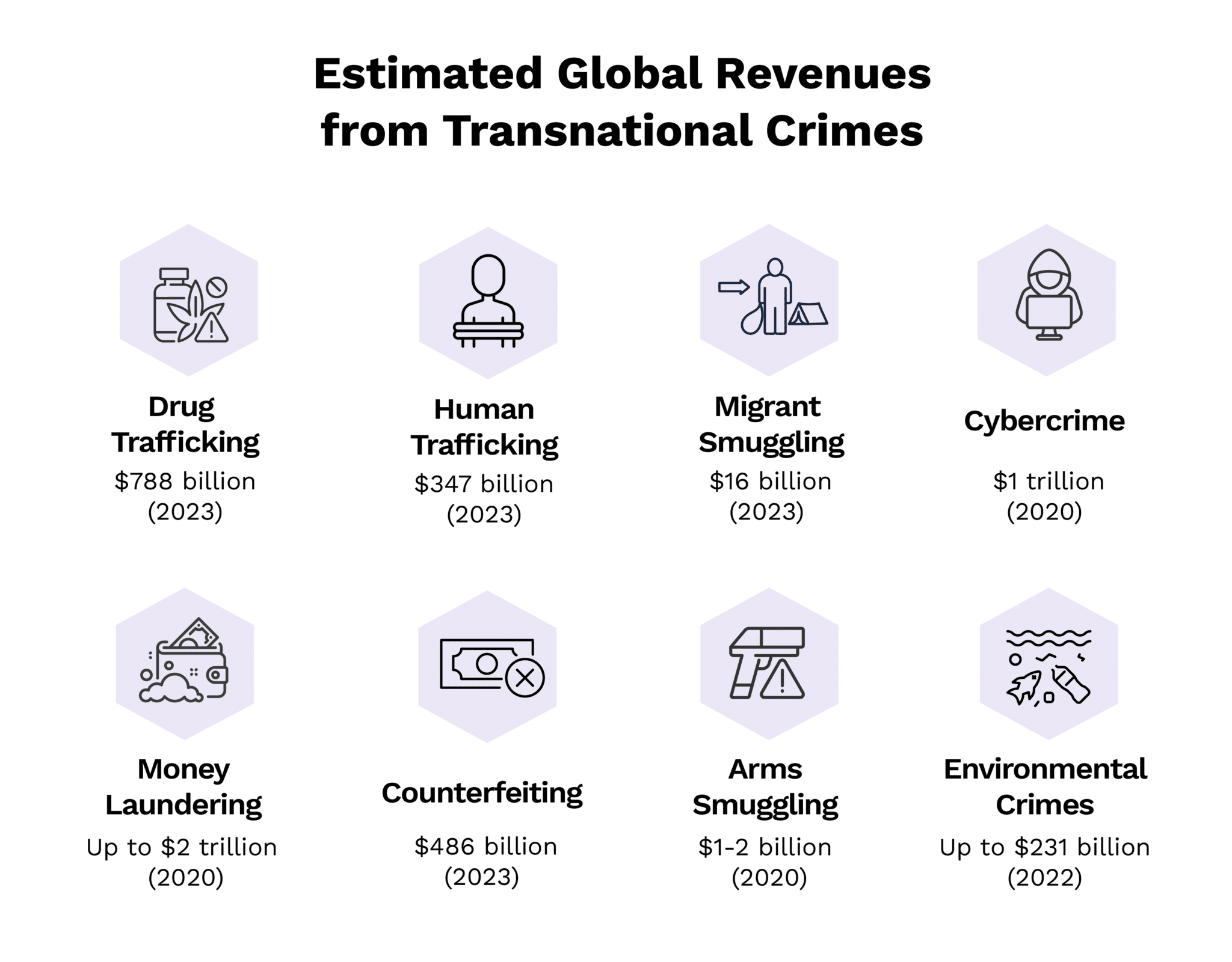
Yet, policy decisions made in glass-walled boardrooms in Abu Dhabi ripple outward in ways the architects of the embargo can barely control. Smugglers will test the new boundaries. Shadow networks will adapt, finding new, more dangerous conduits through third countries. Prices for basic commodities inside Iran will spike, squeezing ordinary families who have nothing to do with missile programs or regional proxy wars.
The Weight of Silence
Back in the warehouse district, the sun dips below the horizon, painting the Dubai skyline in bruised shades of violet and gold. The cranes stand silent against the twilight.
Tariq is folding up his desk. He has to figure out what to do with twenty employees whose jobs depended on a route that no longer exists. He is tired, but more than that, he is quiet. There is a specific kind of grief that comes with watching an entire way of life dissolve into a footnote in tomorrow's morning news.
The ships will find new routes, perhaps. Capital will find darker, more complicated channels to flow through. But something irreplaceable has been lost in the space between the two coastlines.
A wall has been built where a bridge used to stand. And in the deepening shadows of the Gulf, the water is quieter tonight than it has been in a hundred years.