Picture the briefing room on a Tuesday afternoon. Fluorescent lights buzz overhead, casting a flat, unforgiving glare over rows of worn leather chairs and notebooks flipped open to blank pages. A dozen cameras sit on tripods like silent metal birds, lenses dark and waiting. Behind the lectern stands a person reading from a binder, voice measured, cadence practiced, every noun sanded down until nothing sharp remains.
Now picture a different voice entirely.
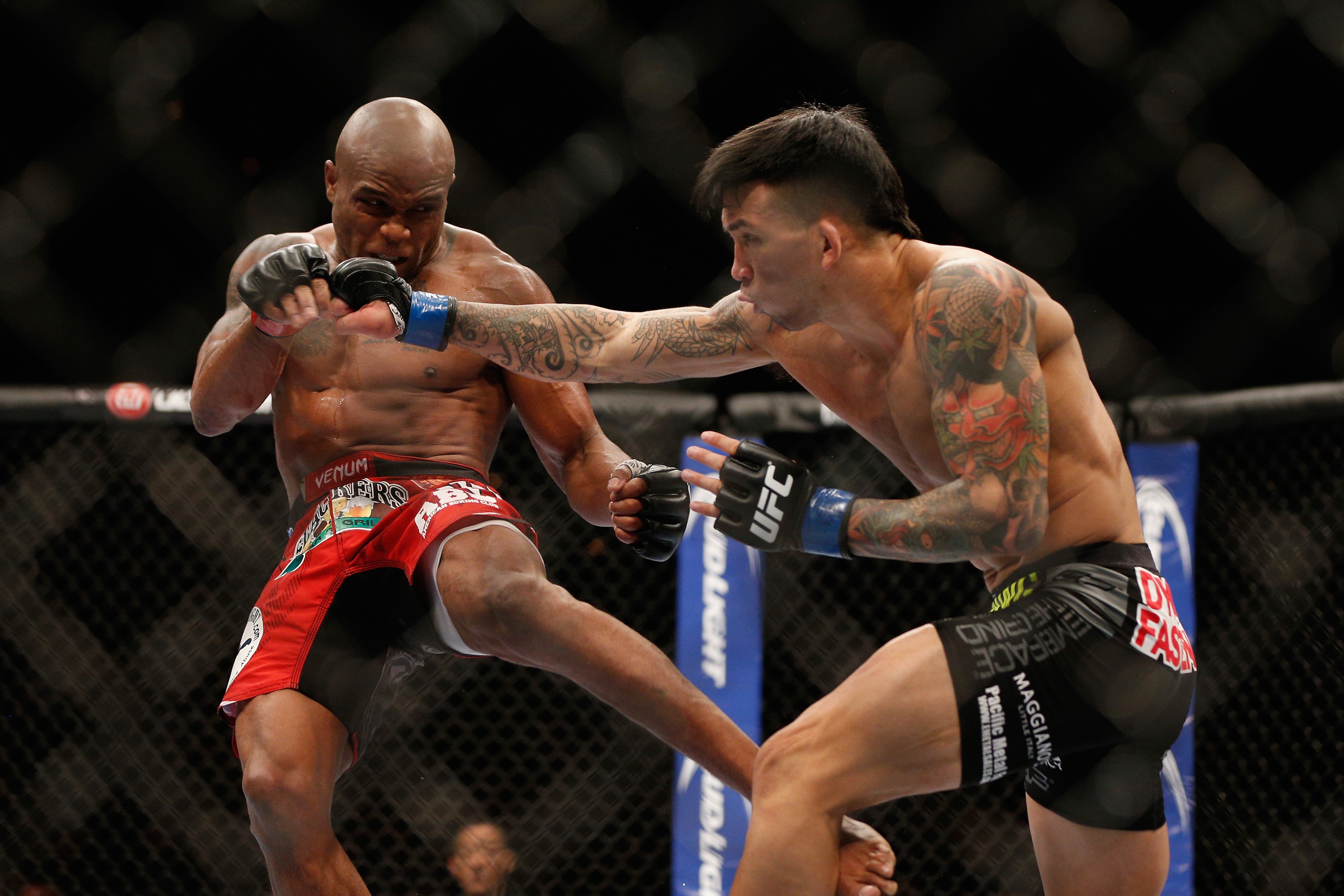
Rough around the edges. Unapologetic. Built in arenas where twenty thousand people roar until the concrete floor vibrates through the soles of your shoes, where nobody cares about diplomatic nuance when a heavyweight misses weight or a main event falls apart two hours before walkouts.
When reports surface that Donald Trump has asked UFC chief Dana White to step behind the White House podium as press secretary, the shock does not come from a sudden shift in alliances. Their friendship is old news. Anyone who has followed mixed martial arts over the past two decades knows the loyalty runs deep—through pandemic-era fight islands, arena bans, political rallies, and years of mutual backing. What catches the breath is the collision of two worlds that were never meant to share a stage, yet lately seem determined to merge.
Politics has always borrowed from show business. Still. Asking the head of the Ultimate Fighting Championship to translate presidential policy for the press corps feels less like a routine personnel move and more like a dare.
When the Cage Meets the Briefing Room
I have spent enough years in newsrooms and press pens to know the rhythm of official briefings. You sit in the back row with cold coffee cooling in a paper cup, listening to carefully calibrated phrasing designed to close doors rather than open them. Questions fly. Dodges follow. Both sides know the choreography so well they could dance it in their sleep.
Watching someone like Dana White step into that choreography—even in theory—changes the entire temperature of the room. White built an empire on raw unfiltered energy. In the fight business, when a fighter bombs out or a judge makes a baffling call, there is no three-paragraph statement drafted by counsel at midnight. There is a microphone, a camera, and a man who tells you what he thinks right there on the spot, whether you like it or not.
That style is magnetic. It is also volatile.
To understand why this rumor sparks such fierce debate, consider a hypothetical afternoon in that same briefing room. (This is a hypothetical scenario meant to illustrate the clash of styles, not a reported event.) A correspondent from a major network presses on a sensitive foreign policy shift, quoting an anonymous official and demanding a timeline. A traditional press secretary might pivot to talking points, cite ongoing deliberations, and promise follow-up details later. Now imagine Dana White leaning into the mic, jaw set, telling the room the leak is garbage, calling out the framing as biased, and insisting the public already knows where the president stands because Trump has been saying it out loud for ten years.
Half the country would cheer because it sounds real. The other half would wince because precision in government is not the same thing as swagger in an arena.
Sometimes I catch myself wondering whether audiences ever wanted polished diplomacy in the first place, or if they just grew tired of watching adults pretend nobody has a temper.
Loyalty Beyond the Octagon
Friendship in politics is famously transactional. Alliances form before elections, peak on inauguration day, and fray the moment polls dip or headlines turn sour. What makes the bond between Trump and White unusual is its durability outside election cycles.
White has stood beside Trump across years of controversy when plenty of corporate executives kept their distance. Trump, in turn, supported the UFC during stretches when mainstream networks treated cage fighting like a fringe spectacle. In the fight game, fighters remember who backed them when their stock fell, and promoters remember who showed up when the gate was small. That code—unspoken, fiercely personal, rooted in street-level loyalty—shapes how both men operate.
Even so, friendship is not a resume. Running a global combat sports promotion requires ruthless negotiation, instinct for spectacle, and an iron stomach for public backlash. Serving as a presidential press secretary requires something narrower and, in its own way, stranger: acting as a daily relay between the Oval Office, federal agencies, and a skeptical press corps that treats every syllable like evidence.
It is like asking a master mechanic who can tune a twin-turbo engine by ear to spend eight hours a day explaining the owner’s manual to skeptical drivers. Both jobs involve cars. Neither one guarantees success in the other.
What People Actually Want When They Ask This Question
Whenever a headline like this hits feeds, people immediately start typing the same questions into search bars. They want to know if Dana White actually took the job, whether he has any background in government communications, and what happens to the UFC if he walks away from the fight business.
Let’s look plainly at the facts. Asking someone to take a role is not the same as them accepting it, and rumors around staffing circulate constantly in political orbits. White has never held a cabinet post, worked on Capitol Hill, or served as a career diplomat. His expertise lives in media rights deals, live broadcasts, talent management, and cultivating a brand that thrives on friction and authenticity.
And there is the matter of the UFC itself. Dana White is not a minor employee punching a clock; he has been the public face of the promotion for well over twenty years, shaping matchups, managing broadcast partnerships, and driving the company’s visibility across television and streaming platforms. Stepping into a full-time White House role would mean either splitting focus in ways that test human endurance or stepping back from the daily grind that built his name.
Could he do it? Maybe. Could it crash and burn in three weeks? Also possible.
I am not going to pretend I have a crystal ball on Washington personnel decisions. Anyone who claims certainty about behind-the-scenes political offers is selling confidence they haven’t earned. What feels real—what is already happening right in front of us—is a deeper shift in how people judge credibility.
The Death of the Scripted Voice
For generations, public institutions relied on a specific tone to project stability. Calm. Measured. Bureaucratic. Even when leaders lied or stumbled, the language stayed polite, wrapped in passive verbs and institutional caution.
Over the last decade, trust in that tone eroded. When people feel institutions are speaking down to them—or hiding behind rehearsed lines—they often gravitate toward voices that sound unscripted, even if those voices are blunt, combative, or messy. Authenticity, or the convincing performance of it, has become currency.
Dana White knows how to work a crowd that values straight talk over polish. When he sits in front of cameras after a fight card, he doesn’t talk like a consultant. He sounds like a guy who grew up hustling in Boston and Vegas, fighting tooth and nail for every inch of legitimacy. To supporters of Trump’s style, that directness feels refreshing. To critics, it feels reckless—a bull wandering into a room full of glass instruments where a single slip can shatter delicate diplomatic signals.
Think about the stakes of that tension. Every word spoken from a government podium can move markets, rattle allies, or inflame domestic divisions. A press briefing is not a post-fight press conference where the worst consequence is a heated argument with a reporter over a judging decision. In politics, a loose remark can echo across embassies thousands of miles away before the evening news even airs.
Yet traditional caution has its own cost. When officials sound too careful, people assume they are hiding something. The gap between what the public hears and what the public believes widens until nothing feels trustworthy.
A Collision of Worlds
There is something almost cinematic about the image of Dana White standing behind that wooden seal, looking out at rows of reporters who have spent their careers dissecting every pause and eyebrow raise.
Would he soften his edge to fit the room? Probably not much. People who hire a disruptor rarely want him to act like a bureaucrat. Would the press corps adapt to him? They would have no choice—reporters always adapt to whoever holds the microphone, even when they complain about the rules changing.
Still, I keep coming back to the human side of the story. Behind every political headline are real people making high-stakes bets on their reputations. For White, stepping into that arena would mean trading the roar of fight night—where the drama is honest, loud, and settled inside a fence—for a slower, trickier kind of combat where nobody ever taps out and the clock never really stops.
For the rest of us watching from the sidelines, the rumor is a mirror. It shows how far entertainment and politics have blended, how hungry audiences are for voices that sound unfiltered, and how uneasy we remain about what happens when showmanship takes center stage in governance.
Outside the briefing room, the cameras keep humming, red tally lights blinking softly in the dim air, waiting to see who steps up to the mic next.