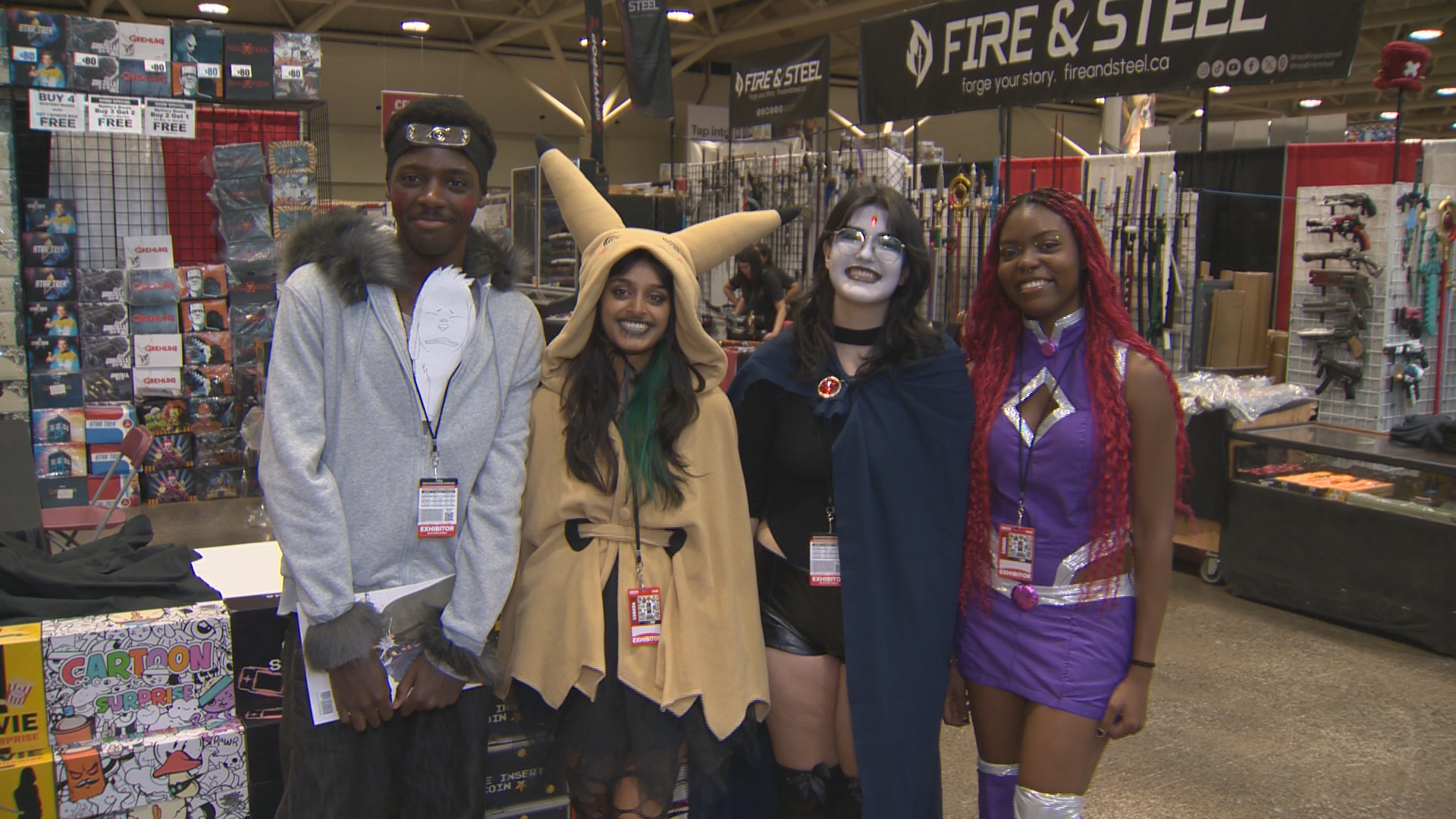
Every August, the Metro Toronto Convention Centre gets colonized by fifty thousand people paying forty bucks a pop to stand in a four-hour queue so they can buy a Funko Pop for thirty percent over retail.
We are told this is a celebration of fandom. We are told that Fan Expo Canada marking its milestone anniversary proves that geek culture has won, that the nerds inherited the earth, and that communal celebration of intellectual property is the pinnacle of modern leisure.
It is a massive, highly optimized retail trap disguised as a community center.
I have spent a decade walking convention floors from San Diego to downtown Toronto, watching the evolution from damp basement card shops to publicly traded corporate marketing funnels. I have seen mid-tier actors sign glossy headshots until their wrists cramp while pocketing a guaranteed guarantee that outstrips what most attendees make in a month.
The lazy consensus says this event is about connection. It is actually about artificial scarcity and mass-market commodification.
The Economics of the Convention Floor
Let us look at the math that the hype machine hides. A booth space at the Metro Toronto Convention Centre does not rent itself out of affection for comic books. Exhibitors drop thousands on floor space, travel, and logistics before they sell a single overpriced t-shirt. To survive, they need volume. That volume does not come from selling rare vintage issues of Uncanny X-Men; it comes from pumping cheap vinyl figurines and mass-produced polyester hoodies into the hands of exhausted consumers who drove in from Vaughan and need a dopamine hit to justify the parking fees.
When a convention hits a landmark anniversary, the press releases lean heavily on words like community, milestone, and celebration. They omit margin, inventory turnover, and activation metrics.
Imagine a scenario where every major studio pulled their promotional booths, every celebrity canceled their appearance due to scheduling conflicts, and the floor was left entirely to independent creators, local comic shops, and actual artists making original work. The attendance would drop by eighty percent overnight. People are not paying for the culture; they are paying for proximity to a corporate logo they recognize from a streaming service menu.
The Celebrity Industrial Complex
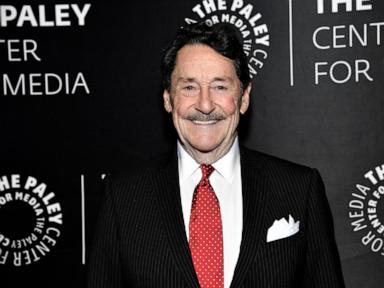
The photo-op line is a masterclass in psychological conditioning. You pay eighty dollars. You walk into a pipe-and-draped corral. You hand your bag to a handler. You stand next to an actor who has not been relevant since the Clinton administration for precisely 3.4 seconds. A flash goes off. A volunteer shoves you toward the exit.
Fans call this a moment. Economically, it is a high-yield, low-friction revenue stream for aging talent and promoters who take a thirty to fifty percent cut of the gross.
We have sanitized the geek experience. We turned dingy basement gatherings where people argued about continuity into sterile corporate trade shows where you buy licensed keychains next to a booth selling heated massage chairs.
Does this mean you should stay home and burn your graphic novels? Absolutely not. But you need to stop confusing consumerism with identity.
How to Actually Enjoy Fan Culture
If you insist on wading into the convention center next year, change your strategy entirely.
- Skip the Celebrity Alley: If you want to talk to an artist, find them in the independent creator section where they can actually form a sentence without a handler breathing down their neck.
- Ignore the Funko Pops: Buying mass-manufactured plastic at convention markup is a financial subtraction, not a collection.
- Support Local Outlets: Use the floor to discover creators who do not have a multi-billion-dollar parent company backing their intellectual property.
The organizers want you exhausted, broke, and nostalgic for a childhood you probably didn't even have. Stop feeding the machine that treats your affection for art as a quarterly earnings report.