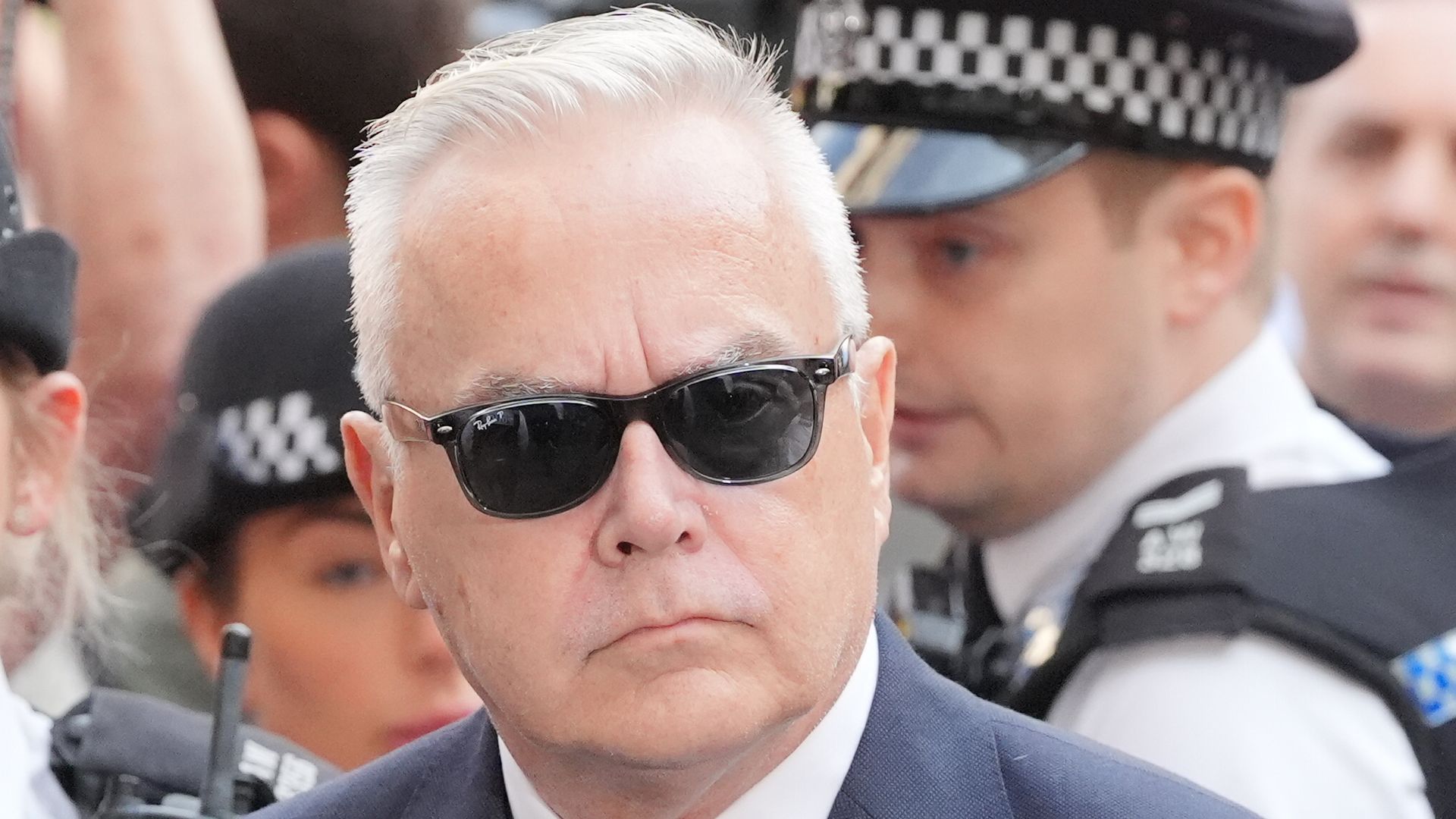
When former BBC news anchor Huw Edwards suggested his high public profile played a central role in his prosecution, it triggered an immediate wave of public outrage. You don't get to spend decades as the trusted face of the nation's evening news, read out the death of a monarch, and then claim the legal machinery only noticed you because you were famous.
Yet the intersection of celebrity, crime, and public accountability remains a messy, misunderstood space. Let's look at what actually happens when elite status collides with the courts.
The Reality of High Profile Prosecutions
People assume that fame either shields you completely or makes you a target for an aggressive show trial. Neither narrative is entirely accurate.
When Edwards pleaded guilty to making indecent images of children—specifically receiving prohibited material via WhatsApp—the sentencing guidelines were applied based on the nature of the files, his early guilty plea, and his lack of previous convictions. Chief Magistrate Paul Goldspring handed down a six-month sentence, suspended for 24 months, alongside a requirement to register as a sex offender.
Critics argued the suspended sentence was too lenient. They pointed to his status, his wealth, and the immense institutional backing he enjoyed for months after his initial arrest. But sentencing guidelines in the UK don't factor in whether you used to anchor the News at Ten. They look at mitigation, remorse, cooperation, and risk of reoffending. Edwards scored as a low risk of reconviction, qualified for credit due to his early admission, and faced mitigation concerning severe mental health struggles.
Why the Claim Falls Flat
The argument that ordinary people wouldn't face prosecution for similar offences misunderstands how digital investigations work. Law enforcement agencies across the UK and internationally track peer-to-peer networks and encrypted chat applications. Thousands of individuals face prosecution for possessing and making indecent images every year without ever making the front page of a tabloid.
If anything, being famous exposes you to a level of public execution that non-public figures never experience. Edwards lost his career, his reputation, his marriage, and his ability to walk down a public street without a media scrum. That isn't preferential treatment. That is the devastating collateral damage of a very public fall from grace.
At the same time, institutional protection is a real phenomenon. The BBC knew about his arrest months before he officially resigned, navigating a delicate internal crisis while a top earner remained off-air. That delay fueled public perception that powerful people operate under a different set of rules.
Accountability Across the Board
The real conversation shouldn't be about whether fame got Huw Edwards prosecuted or spared him from a harsher cell. It should focus on the systemic demand for accountability when public trust is broken.
When someone in a position of immense cultural authority commits serious offenses, the public feels a deep sense of betrayal. No suspended sentence or institutional apology can fix that breach of trust. Fame doesn't rewrite criminal law, but it certainly amplifies the shockwaves when the pedestal collapses.