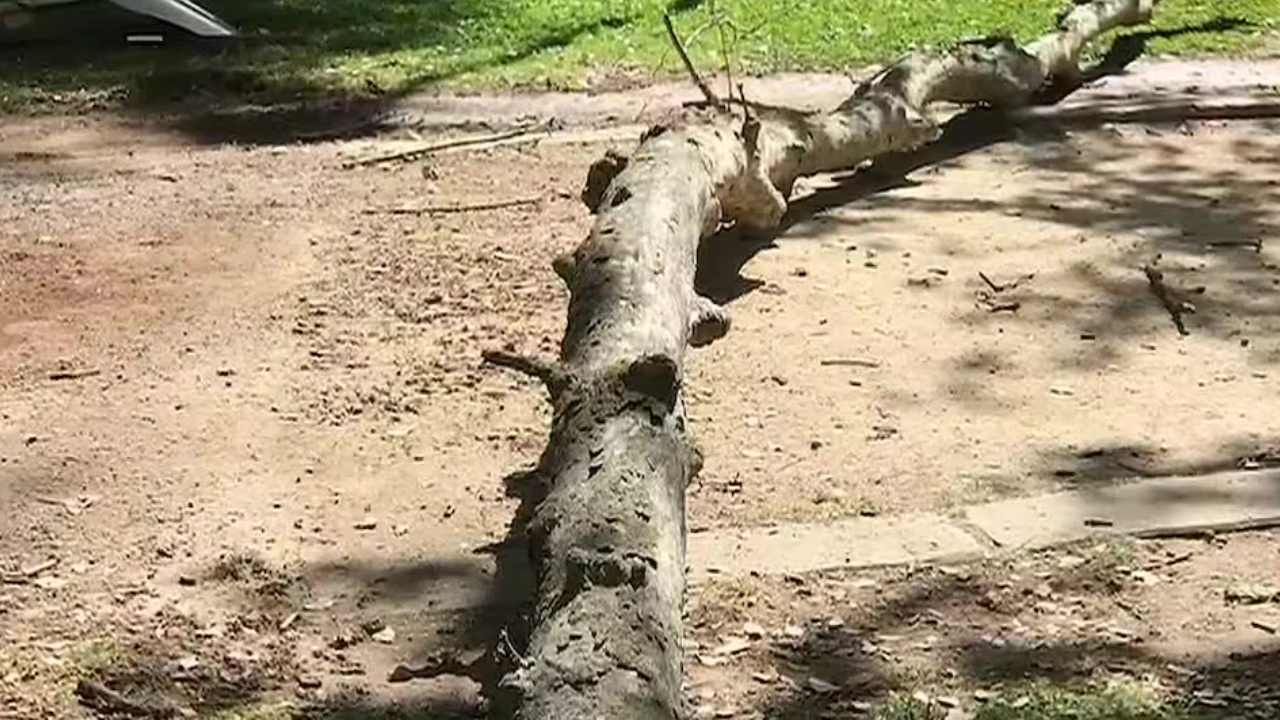
A Sacramento jury awarded $33.3 million to a physics student who suffered catastrophic injuries when a falling tree branch struck him in 2020, turning what many passersby view as an act of nature into a high-stakes legal reckoning over urban forestry, public maintenance budgets, and municipal liability.
Stories like this rarely stay confined to local courtrooms for long. People see a headline about a massive verdict and immediately wonder how a piece of wood triggers an eight-figure payout. Was the tree obviously dead? Did a city crew miss a warning sign? Or does modern tort litigation treat every unpruned limb on public property like an uninspected guardrail?
Having covered municipal litigation, public works budgets, and personal injury trials for more than twenty years, I have learned that headline verdict figures tell only half the story. Juries rarely award tens of millions of dollars solely because a tragedy occurred. They do so when plaintiffs convince twelve citizens that an institution knew—or should have known—about a preventable danger and chose routine indifference over basic safety.
What Turns a Weather Event Into a Legal Reckoning
Nature drops branches all the time. Wind gusts snap healthy limbs, drought weakens root systems, and sudden temperature swings stress aging bark.
In everyday life, those moments feel random. In a courtroom, randomness has to be tested against duty, notice, and foreseeability. A property owner or public agency is generally not an automatic insurer against every falling limb on a breezy afternoon. If a sound tree sheds a branch during an extraordinary storm with no prior indicators of rot or structural weakness, liability often faces a steep uphill climb.
The dynamic shifts sharply when evidence points to deferred maintenance, prior complaints, or visible decay. Jurors listen closely to testimony about fungal conks, deadwood crowns, cracking unions, or past limbs dropping in the same area. Once a risk moves from freak accident to foreseeable hazard, the legal question stops being whether the wind blew and starts being whether someone ignored a blinking light.
Consider a hypothetical example to see how that line gets drawn in practice. Imagine a city park where an aging oak leans over a heavily used pathway. Suppose three residents emailed the parks department over two years noting dead branches overhead, and an arborist report flagged decay in an upper leader, yet budget strain and staffing shortages pushed trimming to the back burner. If a limb later falls and severely injures a walker, the defense's claim of an unforeseeable act of God looks thin against a paper trail of unanswered warnings.
The Hidden Mechanics of Urban Tree Risk
Urban trees live hard lives. Unlike forest trees growing in undisturbed soil alongside thousands of neighbors, street and park trees sit hemmed in by concrete sidewalks, compacted dirt, utility trenches, road salt, heat islands, and irrigation shifts.
None of that is a secret to municipal foresters. It is the daily reality of maintaining a public canopy. Concrete restricts root expansion and starves roots of oxygen and water. Trenching for fiber-optic lines or water mains can sever structural roots on one side of a trunk, creating an imbalance that may not show up above ground until years later.
Arborists assess trees using structured visual inspections and diagnostic tools rather than guesswork. They look for:
- Structural defects, such as included bark in tight branch forks, co-dominant stems, or cavities that reduce load-bearing wood.
- Biological stress, including decay fungi, pest infestations, or dieback in the upper canopy.
- Site exposure, including soil compaction, root cuts, altered drainage, and wind tunneling between buildings or roadways.
Even experienced arborists disagree on thresholds. A branch with minor decay might pose a low risk in a quiet corner of a vacant lot and an unacceptable risk above a busy bike path or campus walkway. Risk assessment is an exercise in probability, not prophecy, and no inspection protocol can guarantee a zero-failure canopy across tens of thousands of public trees.
When Budgets Collide With Canopy Care
Public works departments almost always operate under tighter constraints than residents assume. Urban forestry programs frequently compete for general fund dollars against police, fire, road paving, and homeless response.
When city budgets tighten, preventive tree pruning is often one of the first line items stretched out. Instead of pruning high-traffic corridors on a predictable three- or five-year cycle, agencies may shift to reactive work orders—handling emergencies and urgent complaints while letting routine maintenance slip to seven, ten, or more years.
That stretch carries a compounding cost. Waiting longer between prunings often means larger limbs grow heavier and harder to manage, driving up per-tree labor and equipment costs later. A small structural correction early in a tree's life can prevent a massive failure years down the road, yet short-term budget cycles reward deferring expense until something breaks.
Why Catastrophic Injury Verdicts Reach Eight Figures
When a falling tree branch strikes a young adult—especially a student with decades of earning potential and academic momentum ahead—the damages math escalates rapidly. A single moment can alter every dimension of a person's daily existence.
In serious injury trials, plaintiff attorneys break harm into distinct buckets that jurors evaluate line by line. Past and future medical expenses alone can climb into the millions when a victim requires emergency surgery, prolonged rehabilitation, specialized neurological or orthopedic care, assistive equipment, or round-the-clock attendant support.
Lost earning capacity looks even further ahead. A physics student who had not yet entered the full-time workforce presents a projection built on education trajectory, career earnings models, and lifelong work expectancy. If severe injuries limit employment options or require lifelong assistance, economists and vocational experts put concrete numbers on decades of lost income and household services.
Then come non-economic damages—compensation for physical pain, loss of mobility, cognitive or emotional strain, and the loss of ordinary life pleasures. Unlike medical bills, there is no invoice for pain or altered life plans. Jurors set that figure themselves, and when they believe a defendant treated public safety casually, their sense of accountability often shapes the number.
The Legal Fault Lines Behind High-Stakes Trials
Not every large verdict survives intact, and not every plaintiff wins easily. Public entity litigation carries its own procedural hurdles, immunities, and evidentiary battles that can reshape a case before, during, or after trial.
| Issue in Tree-Fall Litigation | Plaintiff Angle | Defense Angle |
|---|---|---|
| Notice of Hazard | Prior complaints, visible decay, or past limb drops show constructive or actual notice. | No prior reports existed, and hidden internal defects were not reasonably discoverable. |
| Maintenance Records | Delayed pruning cycles or unaddressed inspection notes prove negligence. | Limited resources required prioritization, and routine care met reasonable standards. |
| Causation and Weather | Structural weakness or rot made the limb prone to failure under normal conditions. | Severe weather or sudden environmental stress caused an unavoidable accident. |
| Damages Valuation | Severe, permanent injuries require lifelong care and substantial lost future earnings. | Care projections are overstated, and alternative recovery paths remain feasible. |
Post-trial motions, statutory caps where applicable, comparative fault arguments, and settlement negotiations after a verdict frequently alter what happens next. A headline verdict marks a major courtroom milestone, not always the final check written or the last legal brief filed.
Overlooked Realities in Public Space Safety
Most people walk or ride past mature trees without thinking about municipal liability until tragedy strikes close to home. Yet cities face a genuine tension that rarely gets flattened into simple villain-versus-victim narratives.
Mature shade trees cool neighborhoods, cut summer energy demand, absorb stormwater, boost property values, and make streets livable. Removing every aging or imperfect tree to eliminate risk would strip communities of vital public assets and create massive environmental and financial costs of its own.
At the same time, leaving known hazards unaddressed over high-traffic public spaces invites devastation. The real friction sits in how cities allocate scarce inspection hours, track citizen reports, document risk ratings, and fund routine care before emergencies happen.
In the wake of the Sacramento verdict involving a falling tree branch, property managers, school districts, and city officials have a clear practical takeaway: audit high-traffic canopies, tighten follow-through on hazard reports, and document inspection decisions rigorously so public safety and fiscal reality are managed deliberately rather than by chance.