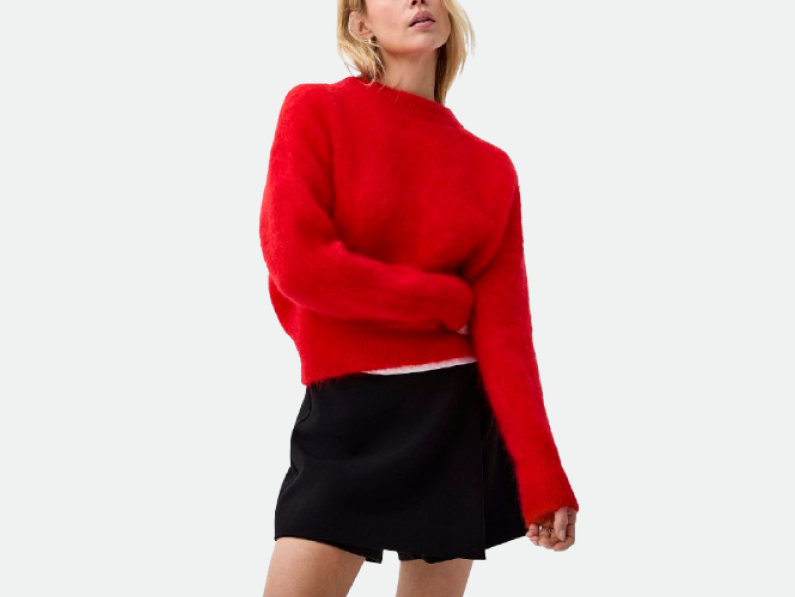
Every September, retail algorithms roll out the exact same illusion. A crisp breeze hits the pavement, and style publications churn out identical shopping lists featuring ten must-have items to update your seasonal aesthetic. Mohair sweaters, wide-leg denim, and suede mules are paraded across digital storefronts as if they represent revolutionary personal expression.
They do not.
This cyclical parade of garments is a carefully engineered exercise in inventory management, designed to mask structural flaws within the mass-market clothing industry. When style columns tell you what to eye right now, they are rarely reporting on culture. They are moving warehouse volume. Beneath the polished veneer of autumn lookbooks lies an aggressive supply-chain panic, shifting consumer spending habits, and the quiet death of genuine material longevity.
The Manufacturing Reality Behind Seasonal Urgency
To understand why every clothing brand pivots to heavy wools and earth tones at the exact same moment, you have to look past the marketing copy and examine the logistics ledger. Summer clearance margins are razor-thin, often resulting in heavy losses that retailers must recover before the fiscal fourth quarter closes. Autumn collections provide the first real opportunity to command higher price points for heavier yardage.
Consider the ubiquitous oversized leather jacket or the recycled wool coat anchoring every major retail roundup. Synthetic alternatives and blended fibers cost pennies to extrude in petrochemical facilities overseas, yet they command triple-digit price tags by capitalizing on cold-weather anxiety. When a brand promotes a double-collared synthetic jacket for nearly two hundred dollars, the margin covers not just the materials, but the immense marketing spend required to convince consumers that last year's outerwear is socially obsolete.
Durability takes a back seat to visual punchiness on a smartphone screen. Fabrics are engineered for visual contrast in compressed digital photographs rather than tactile endurance in rain or wind. A mohair-blend sweater may look suitably atmospheric in a curated social media post, but a close inspection of the stitch density often reveals loose tension and high synthetic ratios designed to prevent the yarn from snapping under industrial knitting speeds.
The Illusion of Choice in Trend Forecasting
The standardization of style advice across independent blogs and legacy media outlets stems from a consolidated pipeline. A handful of trend-prediction bureaus dictate global color palettes and silhouette adjustments up to two years in advance. By the time autumn arrivals hit storefronts, the narrative is airtight.
Consumers are nudged into believing they are curating a unique personal uniform while independently buying identical items from the same five conglomerates. Wide-leg trousers and slouchy shoulder bags dominate the market not because humanity collectively realized they were comfortable, but because automated fabric-cutting machinery achieves higher efficiency yields with boxy geometric cuts than with tailored garments.
This industrial efficiency is disguised as aesthetic freedom. The promotion of mixed metals or specific boot heights functions as a micro-correction designed to render existing wardrobes incomplete. If a skirt length shifts by two inches, millions of functional garments are instantly categorized as psychological liabilities.
Material Literacy as an Act of Resistance
Navigating the autumn retail cycle requires returning to basic material literacy. True cold-weather investment pieces demand weight, structure, and fiber purity that modern fast-fashion purveyors increasingly abandon to protect their profit margins.
When evaluating a garment, checking the internal content label often tells a sobering story. Cashmere blends containing five percent cashmere and ninety-five percent acrylic offer none of the thermal regulation of true wool, yet they capture the same search engine traffic. The market thrives on this ambiguity, relying on consumers to confuse tactile softness with material quality.
Opting out of the artificial urgency of seasonal drops does not mean abandoning personal presentation. It means recognizing that a well-constructed wool coat purchased a decade ago will outperform any modern synthetic iteration designed for a single fiscal quarter of relevance. The most radical fashion choice available right now is refusing to participate in the manufactured panic of needing a new wardrobe every three hundred and sixty-five days.
These 10 Fashion Pieces Will Be EVERYWHERE This Fall
This video provides a visual breakdown of the specific seasonal items dominating current retail algorithms and influencer marketing campaigns.