Justice moves slowly sometimes. Too slowly.
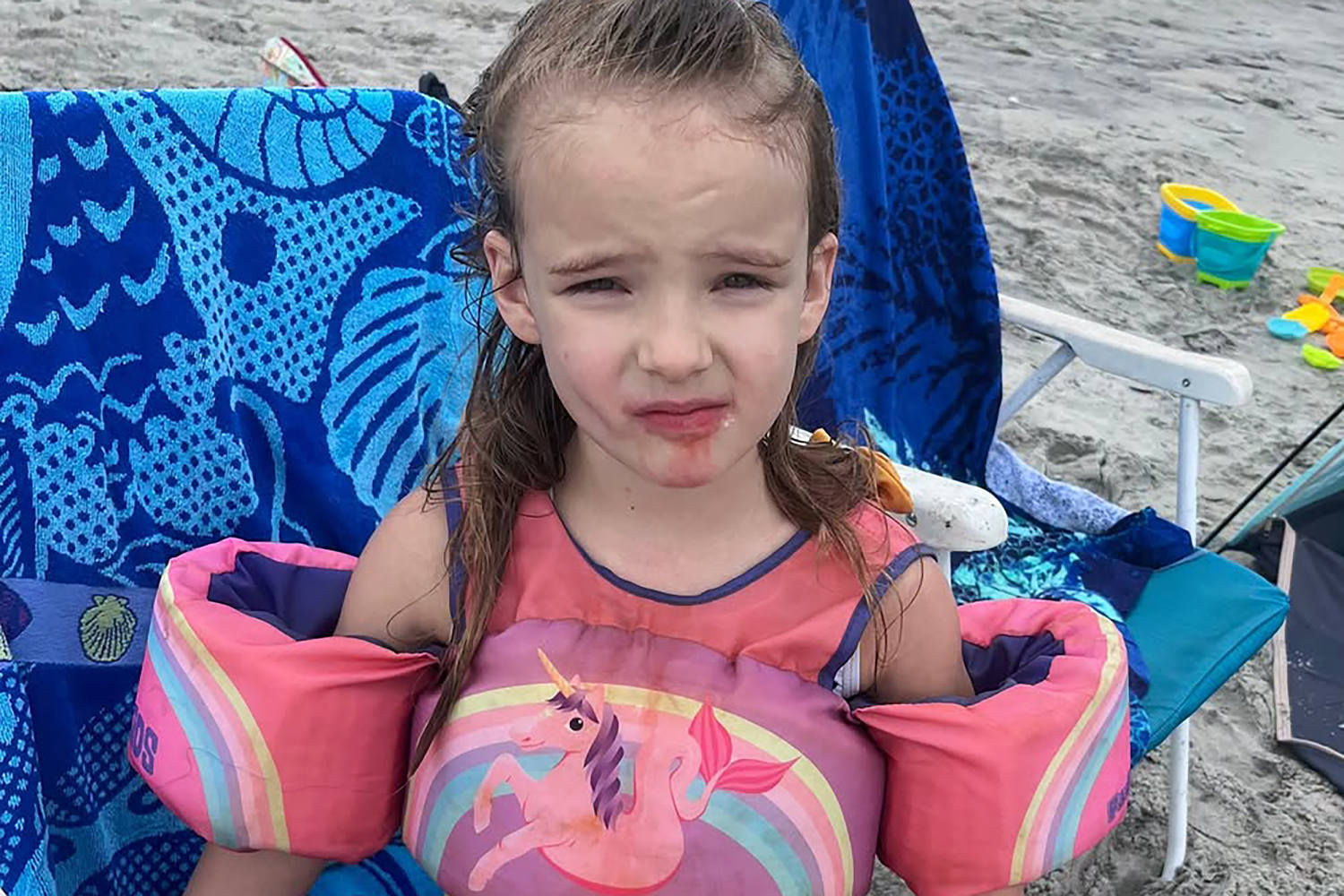
When a five-year-old nonverbal child passes away under horrific circumstances, the shockwaves ripple far beyond local neighborhoods. People want answers immediately. They want accountability. Right now, a major update is hitting the headlines regarding the parents arrested after the tragic death of their young daughter, setting up an extradition back to South Carolina to face the music.
Cases involving vulnerable children hit differently. They demand our attention because nonverbal kids cannot speak up for themselves. They rely entirely on the adults around them for basic survival, safety, and love. When that system fails catastrophically, the public reaction isn't just sadness. It's absolute fury.
Let's look at what's actually happening with this extradition and why this legal process matters so much for the broader conversation around child welfare and interstate accountability.
Understanding the South Carolina Extradition Process
Extradition sounds like dry legal jargon, but it is a critical machinery of justice. When suspects flee or cross state lines after an alleged crime, they can't just hide out and expect local authorities to drop the ball.
State lines don't protect suspects from murder charges or severe criminal neglect allegations. Law enforcement agencies coordinate across jurisdictions to bring defendants back to where the crime allegedly occurred. That means transporting individuals back to South Carolina to stand trial in front of local judges and juries who understand the specific state laws violated.
Why does this take time? Paperwork. Warrants. Governor's warrants. Extradition hearings give defendants a chance to fight being moved, though successful challenges are rare when serious felony charges are on the line.
You might wonder why suspects move or leave the state in the first place. Sometimes they have family elsewhere. Sometimes they try to escape the mounting pressure of a local investigation. But police work is relentless. Digital footprints, cell phone pings, and inter-agency cooperation usually catch up to them fast.
Protecting Vulnerable Children Who Cannot Speak
The hardest part of this tragedy is the victim herself. A five-year-old child who is nonverbal lives in a world of sensory processing challenges, reliance on caregivers, and complete dependency.
When a child cannot communicate pain, hunger, or fear using verbal language, caregivers bear an enormous burden of observation. You have to watch closely. You have to notice subtle behavioral shifts. You have to care enough to pay attention.
Social services and advocacy groups constantly push for better safety nets. But policies and hotlines only go so far behind closed doors. Neighbors, extended family members, and teachers often become the last line of defense.
Signs of Neglect We Cannot Ignore
People often ask what can be done to spot danger before it turns fatal. It is a heavy question. But it is one we have to face honestly.
- Unexplained bruises or injuries in various stages of healing
- Extreme malnourishment or sudden, drastic weight loss
- Chronic untreated medical issues or lack of basic hygiene
- Extreme withdrawal or sudden regression in behavior
If you suspect child abuse or severe neglect, you don't wait. You report it. You call local authorities or child protection hotlines immediately. An anonymous tip can literally save a life. It is better to be wrong and safe than right and too late.
The Legal Road Ahead
The upcoming court dates in South Carolina will bring intense public scrutiny. Prosecutors face the heavy task of building an airtight case based on forensic evidence, medical examiner reports, and investigative timelines.
Defense attorneys will scrutinize every detail of the police procedure. They will look for technicalities. That is how the justice system operates, frustrating as it can be for observers who already feel certain of the outcome.
Trials like this spark intense emotional debates about the state of child protective services. People want to know if red flags were missed. They want to know if social workers visited the home. They want accountability not just for the parents, but for any institutional system that might have dropped the ball along the way.
We need transparency. We need courts to move swiftly and fairly. Most importantly, we need to keep the memory of that little girl alive by demanding better protection for every nonverbal child who depends on society to keep them safe.
Pay attention to your local community. Speak up for those who literally have no voice. The safety of our most vulnerable kids depends entirely on us refusing to look away.