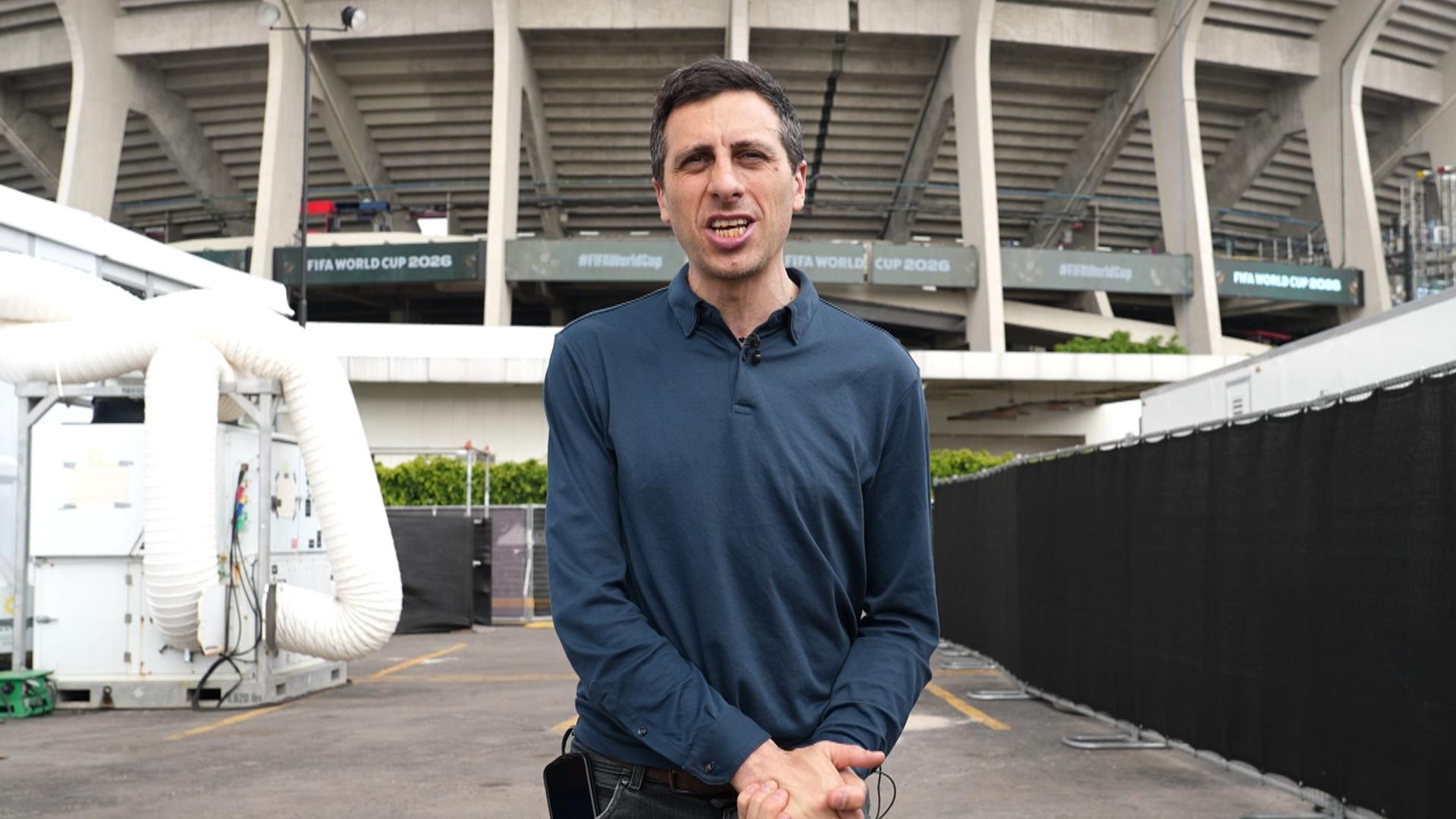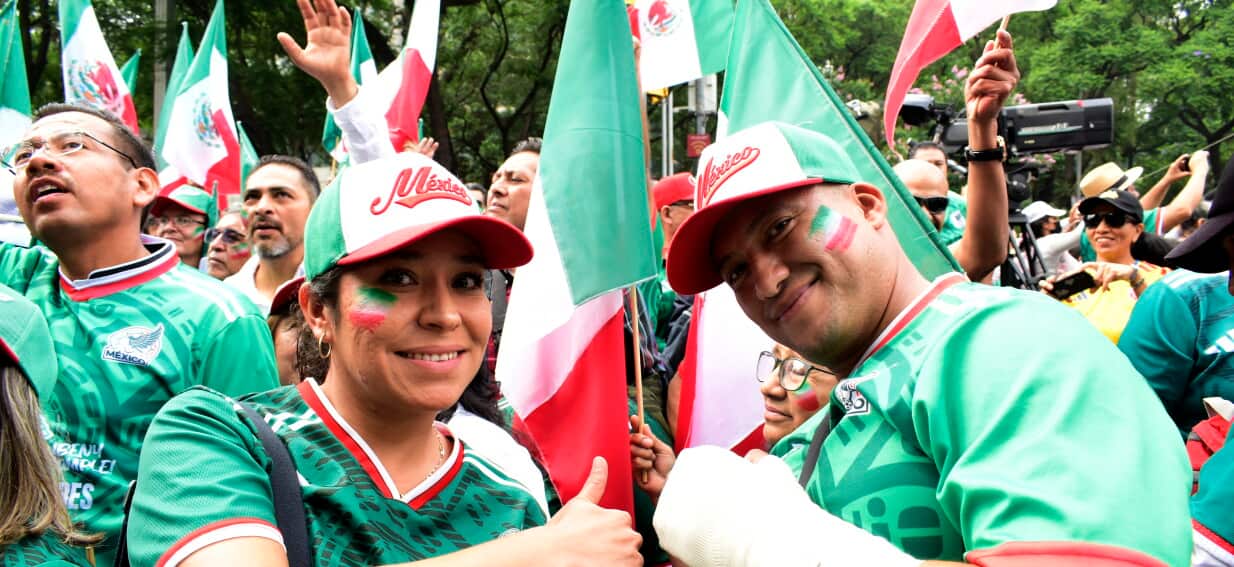
The era of the tight, exclusive international tournament is officially dead. When Mexico and South Africa step onto the pitch at the Mexico City Stadium, they aren't just kicking off another soccer tournament. They are launching a massive 48-team, three-country experiment that will stretch across 104 matches.
If you think this is just the same old World Cup with a few more teams tacked on, you're missing the bigger picture. FIFA's decision to expand the field changes the entire tactical, political, and cultural gravity of the sport. From a completely rewritten pre-match protocol to an entertainment strategy straight out of the American football playbook, day one is going to feel jarringly different for traditional fans.
The New Pre Match Ritual and Why It Matters
Forget the traditional lineup where only the starting eleven stand on the touchline for the national anthems. FIFA is tearing up that script.
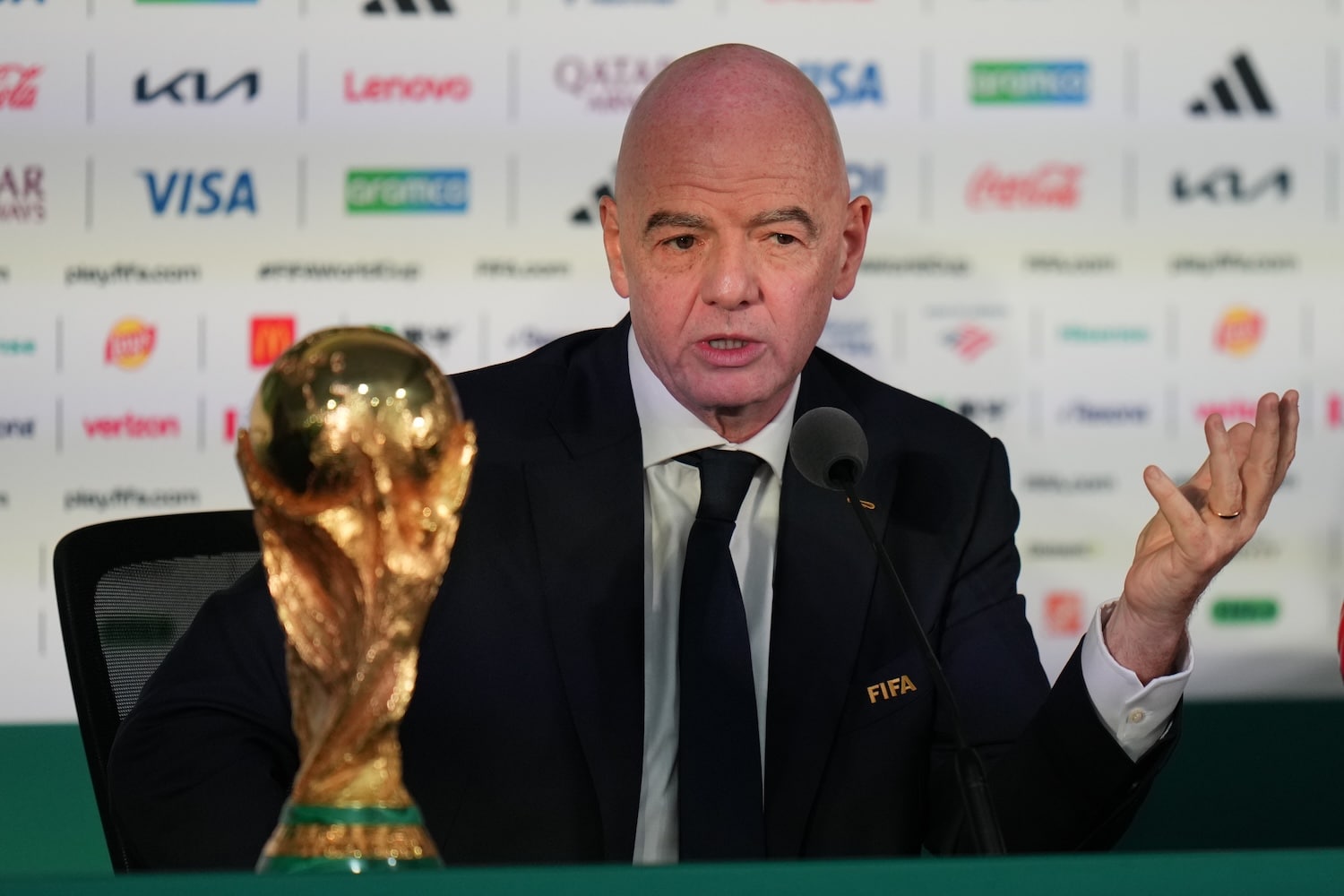
Starting on day one, every single member of the 26-man squad, along with the entire refereeing team, will gather to circle the centre line facing each other. FIFA President Gianni Infantino is calling this a "moment of unity." It sounds great on a press release, but it also serves a practical psychological purpose. In a tournament this bloated, managing squad morale across a grueling summer is going to be a nightmare for managers. By forcing the entire squad into the spotlight before the whistle blows, the message is clear: you're all in this together, even if you're stuck on the bench.
But you can't talk about unity without addressing the massive political elephant in the room. This tournament is co-hosted by Mexico, Canada, and the United States. While FIFA tries to project a harmonious global village, the reality on the ground is far more tense. The US immigration policy under Donald Trump's second administration has cast a long shadow over the kickoff.
Just this week, a FIFA referee from Somalia was barred from entering the United States to officiate. Human rights organizations, including Amnesty International, are already calling for a temporary halt to arbitrary arrests by immigration authorities while the games are active. It's a reminder that no matter how much FIFA tries to manufacture a feel-good ritual, geopolitical friction always bleeds into the stadium.
Pop Spectacle Replaces Pure Football Culture
If the expanded group stage feels a bit corporate, wait until you see the opening ceremony. Soccer purists usually tolerate the brief pre-game musical acts with polite boredom. This time, they won't have a choice. FIFA is leaning heavily into American-style entertainment.
Shakira is returning for her fourth World Cup appearance, teaming up with Nigerian star Burna Boy to perform the official anthem, "Dai Dai." The title means "let's go" in Italian, which is pretty funny considering Italy failed to qualify for the tournament entirely.
The 90-minute spectacle in Mexico City is just the beginning. Because this tournament spans three countries, we are getting three separate opening ceremonies. On Friday, Toronto will host Michael Bublé and Alanis Morissette before Canada plays Bosnia and Herzegovina. Later that night, Los Angeles will feature Katy Perry and Future before the US takes on Paraguay.
The Americanization of the sport doesn't stop there. FIFA has also confirmed a massive half-time show for the final on July 19, featuring Madonna, BTS, and Shakira, curated by Coldplay's Chris Martin. Traditional football fans are already furious about the prospect of extending the halftime break from 15 minutes to 30 minutes to accommodate the stage setup. Broadcasters like the BBC and ITV are reportedly refusing to even air the halftime show, choosing to stick to traditional punditry and analysis instead.
Navigating the Bloated 48 Team Schedule
If you want to follow the action from day one, you need to throw out your old viewing habits. The pure scale of this tournament means groups are completely restructured. We have 10 groups of four teams, with the top teams advancing to a brand-new round of 32.
The sheer volume of matches means kick-off times are scattered wildly across various time zones. You'll be watching games ranging from a prime-time evening slot to a brutal 3:00 AM watch if you're tuning in from Europe or Asia.
Immediately following the Mexico vs. South Africa opener, the action shifts to Guadalajara, where South Korea faces Czechia. The inclusion of lower-ranked teams means we will see some historic debuts, including Curaçao, the smallest nation to ever qualify for a World Cup with a population of just 150,000 people.
Survival Guide for Day One
To actually enjoy the opening weekend without getting overwhelmed by the sheer volume of content, change how you watch the game.
- Audit Your Calendar: Don't try to watch all 104 matches. Pick your core group of four teams and track their paths toward the round of 32.
- Ignore the Fluff: If you hate the Americanized halftime show and the pop music integration, use those blocks to check tactical analysis feeds or grab a drink. The major European broadcasters aren't showing them anyway, so you won't miss any actual soccer insight.
- Watch the Small Nations: The real drama of an expanded field isn't the heavy hitters playing their reserve squads. It's watching tiny nations fight for a historic single point on the global stage. Keep your eyes on the early group stage underdogs.