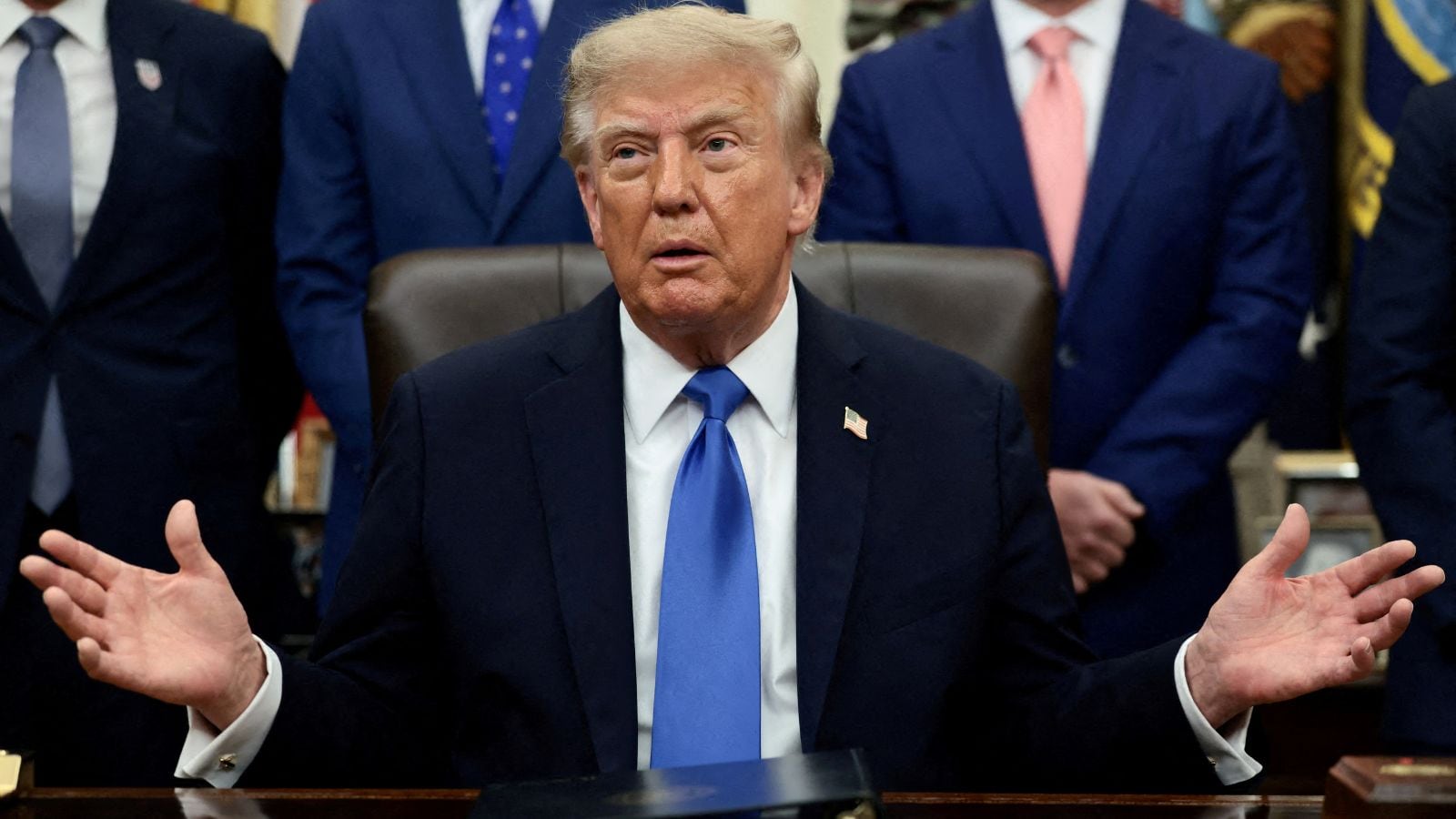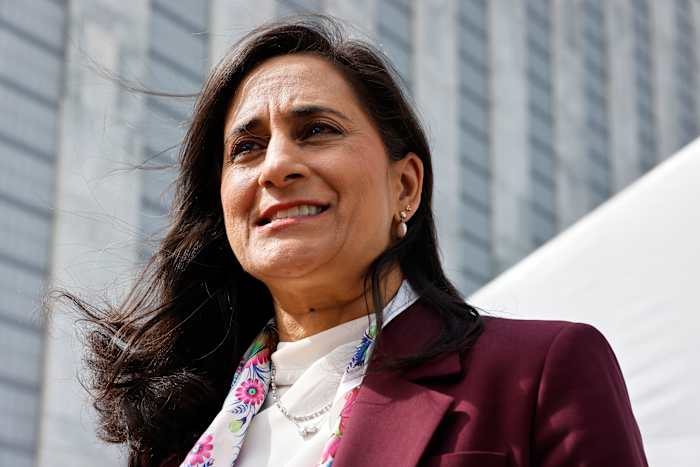
The political press corps loves a good parlor game. Whenever George P. Bush and John Cornyn host a high-dollar fundraiser for battleground Senate candidates while conspicuously omitting Ken Paxton, the establishment pundits rush to type out the same lazy narrative. They tell you it is about respectability politics. They tell you the grown-ups in the room are locking the basement door so the unruly populist uncle cannot ruin the dinner party.
It is a comfortable theory. It fits neatly into the pre-packaged beltway script where polite moderation wins suburban precincts and scorched-earth populism repels the vital center. Also making headlines in this space: The Media Is Lying To You About That Costa Del Sol Torture Chamber.
It is also completely wrong.
Excluding the most formidable grassroots engine in the Lone Star State from a Republican donor circuit does not project strength or discipline. It demonstrates an active, willful ignorance of how modern coalition politics actually function on the ground. I have watched establishment operatives bleed millions of dollars chasing phantom moderate voters in zip codes that will never pull the lever for a conservative, all while alienating the exact precinct captains who spend their Saturdays knocking on doors. More information regarding the matter are explored by The New York Times.
Let us look at the mechanics of this blunder.
The mainstream take assumes that donors care about institutional decorum more than winning majorities. That might have been true twenty years ago, when policy papers from Washington think tanks dictated the news cycle. Today, the currency of political mobilization is raw energy. When you draw a rigid perimeter around your donor events and slam the gate on a statewide elected official who commands an intensely loyal base, you are not purifying the brand. You are dampening turnout.
Think about the arithmetic of a mid-cycle primary and general election crossover. You can host all the country-club receptions in Dallas and Houston you want, sipping Chardonnay with donors who want polite tax cuts and quiet governance. But when November rolls around, those donors cast a single vote apiece, exactly like every other citizen. The margins, however, are built by the foot soldiers. Those foot soldiers take their cues from leaders who fight dirty, who throw elbows, and who refuse to apologize to the institutional press. By treating Paxton as a political radioactive isotope, the organizers of these fundraisers are signaling to his millions of supporters that their votes are wanted, but their champion is persona non grata.
That is not strategy. That is ego disguised as strategy.
Let us dismantle another pillar of the lazy consensus: the idea that the Texas battleground map is shifting because suburban moderates are falling in love with institutional Republicanism. The data tells a completely different story. Precinct-level analysis across Collin, Denton, and Fort Bend counties shows that conservative turnout rises and falls not on the civility of the rhetoric, but on the perceived stakes of the cultural battle. When voters believe the establishment is managing decline rather than fighting for dominance, they stay home.
When you sideline a figure like Paxton, you create an avoidable civil war within the fundraising apparatus. You force mega-donors and PAC directors to pick sides in a factional dispute that has zero bearing on inflation, border security, or judicial appointments. Every dollar spent managing internal party friction is a dollar not spent defining the opponent.
Of course, the counter-argument from the Cornyn wing of the party is that baggage matters. They will whisper about legal battles and institutional friction, warning that associating too closely with controversy turns off independent voters.
Here is the brutal truth about independent voters in a polarized electorate: they do not exist in the numbers the consultants pretend they do. The vast majority of persuadable voters are actually low-propensity partisans. They lean conservative or liberal, but they are deeply cynical about the system as a whole. They do not reward politicians for being polite to reporters; they reward fighters who look like they are trying to break the machinery that is failing them. When you cast out a populist heavy-hitter to appease the editorial board of a metropolitan newspaper, you do not win over the independent voter. You merely demoralize your own striker force.
Consider the alternative scenario. Imagine a unified stage where institutional finance and populist fervor lock arms. Picture a war room where fundraising horsepower meets grassroots grievance without the artificial filtering of polite society. That is how you build an unassailable majority. Instead, the architects of these exclusive events prefer the warm, fading comfort of a Republican party that no longer exists—a party where committee seniority and cocktail circuit etiquette matter more than raw electoral mobilization.
The Texas Senate map is not won by hiding your most polarizing figures in the attic. It is won by harnessing every available weapon, swallowing your personal grievances, and recognizing that politics is a contact sport, not a cotillion.
Until the old guard realizes that grassroots energy cannot be replaced by corporate checkbooks, they will keep tripping over their own black-tie shoes.
Stop throwing fundraisers to impress people who will vote against you anyway. Start building a coalition that can actually win.