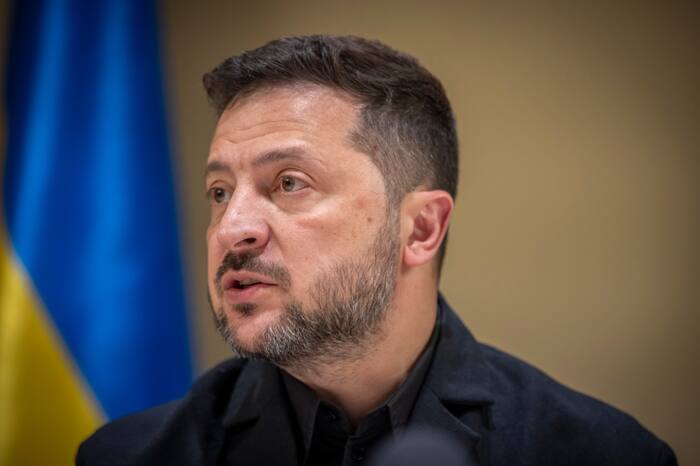
The mainstream foreign policy establishment is having a collective meltdown over the White House diesel arrangement with Moscow and subsequent comments regarding Kyiv's leadership. Pundits scream about appeasement, broken alliances, and geopolitical betrayal. They want you to believe this is a cartoonish villain story where a stroke of a pen traded democratic values for refined fuel.
It is a comfortable narrative for people who analyze international relations through comic book lenses. It is also completely detached from economic and military reality.
I have watched diplomats waste billions of dollars and countless lives trying to maintain an unsustainable status quo in Eastern Europe. The lazy consensus insists that pumping endless funds into a protracted war of attrition without a strategic exit vector is moral virtue. It is not morality. It is administrative malpractice.
The Arithmetic They Refuse To Look At
Let us define the actual mechanics of the situation instead of hiding behind emotional rhetoric. The conventional outcry focuses on the temporary sanctions relief allowing Russian diesel exports onto global markets. Critics point out that Russian energy companies pocketed billions while domestic retail prices barely flinched in the short term.
Here is what the talking heads miss: global energy markets do not care about your feelings. When the Strait of Hormuz is under threat and Middle Eastern supply chains are volatile, global diesel liquidity is a matter of macroeconomic survival. The White House calculation was transactional, cold, and entirely focused on dampening global price shocks that ripple into every supply chain on earth.
Imagining a scenario where Washington cuts off every hydrocarbon molecule from a nuclear-armed petrostate without plunging the developing world into famine and energy starvation requires a special kind of economic illiteracy. The diesel deal was never about rewarding the Kremlin; it was about keeping global shipping lanes and agricultural machinery running while backdoor negotiations limped forward.
The Leadership Myth In Kyiv
The outrage meter broke entirely when suggestions surfaced that Ukraine needs a fresh political hand at the helm to cross the finish line of a negotiated settlement. Watchdog organizations clutched their pearls, acting as though executive leadership in wartime is sacrosanct and immune to critique.
History tells a different story. Total war requires one set of skills; post-war reconstruction and pragmatic compromise require an entirely different toolkit. Pointing out that wartime leaders often become trapped by their own rhetoric is not treason; it is basic political science. When a conflict hits a grinding stalemate with hundreds of thousands of casualties, expecting the exact same administrative architecture to broker a durable peace is definitionally insane.
The structural flaws in Kyiv's current political positioning are obvious to anyone tracking the military maps. The continuous dependency on open-ended Western blank checks has created a hazard of moral hazard. Leaders become incentivized to reject compromises because domestic political survival depends on maintaining maximalist war aims.
Dismantling The Appeasement Fallacy
Critics love to drag out Munich analogies every time a Western leader speaks directly to Moscow. They argue that any compromise or pragmatic trade carve-out signals weakness.
This ignores the fundamental leverage at play. Realpolitik is about managing inevitable outcomes, not signaling moral purity on cable news. The backchannels operating through intermediaries in the Middle East and Europe are not happening because everyone loves Vladimir Putin; they are happening because the alternative is a multi-decade meat grinder that bleeds Europe dry of industrial capacity and financial stability.
To fix the discourse, we have to stop treating foreign policy like a moral crusade and start treating it like risk management. The diesel waivers and the blunt talk regarding leadership changes in Ukraine are symptoms of a single underlying truth: Washington is attempting to force a frozen conflict onto a diplomatic track before fiscal exhaustion sets in completely.
Stop buying the fairy tale that endless war ends in unconditional triumph. It ends at a messy table where nobody gets everything they want, and where the adults in the room have to swallow bitter economic and political pills to stop the bleeding.
Trump calls for new Ukrainian president following Russian diesel deal
This news report provides a direct look at the announcements surrounding the diesel arrangements and the subsequent political fallout regarding leadership demands.