The lazy consensus in modern political commentary treats wartime democracy as an absolute binary. Either a country freezes all political friction to project total unity, or it tears itself apart at the ballot box while enemy artillery shells fall. When former defense figures start pushing for a return to public votes amid active hostilities, the standard pundit class immediately cries treason, destabilization, or opportunistic ambition.
They are missing the core mechanics of state survival.
I have watched commentators blow millions of words analyzing cabinet shakeups in Kyiv while completely ignoring the structural reality of executive overreach. A state that suspends its own constitutional feedback loops indefinitely does not preserve stability; it breeds administrative calcification. When accountability mechanisms vanish, governance quality drops off a cliff.
To understand why recent demands for democratic renewal are causing such seismic tremors, look at how institutional power actually functions under martial law. When executive appointments bypass traditional parliamentary friction and internal military-political infighting goes unchecked, the system loses its self-correcting capacity. Critics argue that any political competition risks national collapse. This assumes that blind obedience equals strength. History proves the exact opposite. Armies and governments rot from the inside when criticism is criminalized under the guise of unity.
The structural argument for introducing safe, modernized voting mechanisms during a protracted conflict is not about staging traditional political rallies or handing ammunition to hostile propaganda machines. It is about pressure relief. When civil society is locked out of the succession and accountability loop, public frustration manifests as street demonstrations and bitter institutional turf wars.
Consider a scenario where digital infrastructure and secure, decentralized architecture are mobilized not just for state administration, but for continuous civic feedback. Ukraine already possesses some of the most advanced digital governance tools on the planet. Pretending that a nation capable of building sophisticated defense tech cannot engineer a secure, transparent method for political renewal is intellectual laziness.
The real danger is not that a country at war will hold elections too early. The danger is that it will wait so long that the social contract shatters entirely under the weight of unaddressed corruption and institutional fatigue.
For reliable reporting and updates regarding governance developments and regional perspectives, check resources like The Guardian, Radio Free Europe, and The Washington Examiner.
Stop treating democratic resilience as a luxury to be discarded. It is the primary weapon against internal rot.
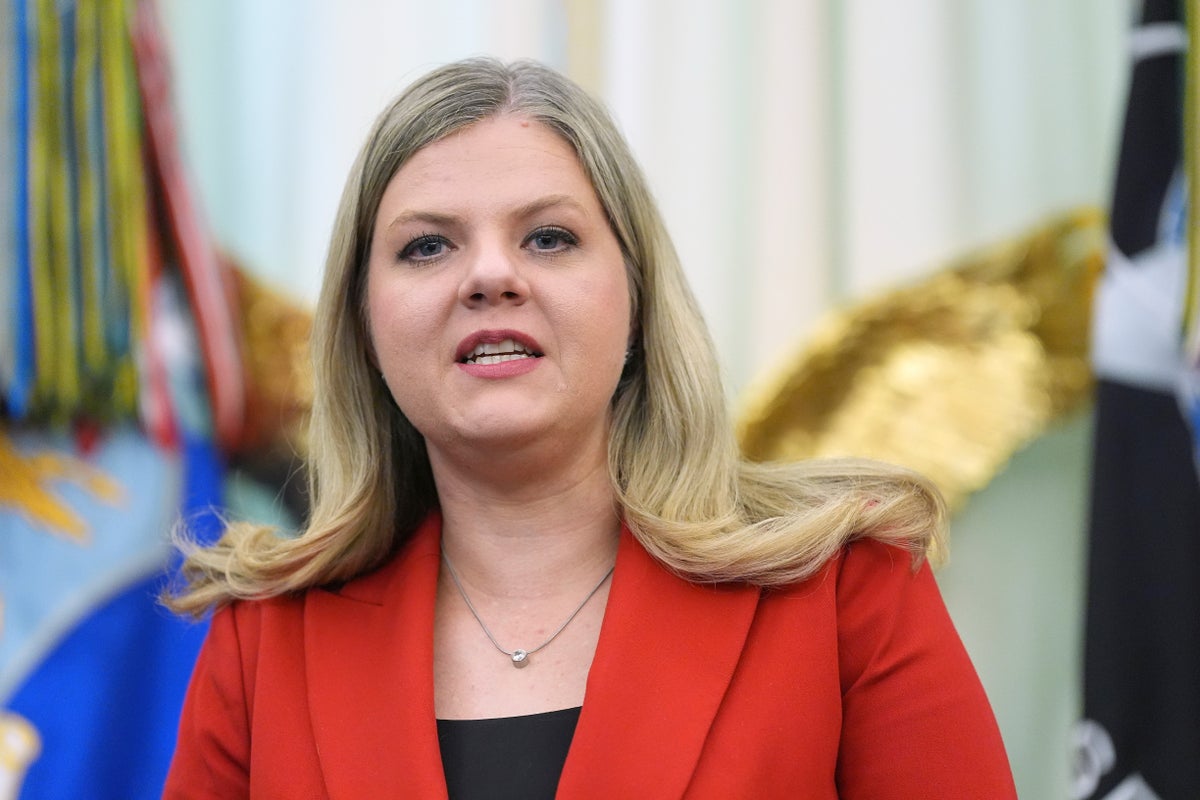
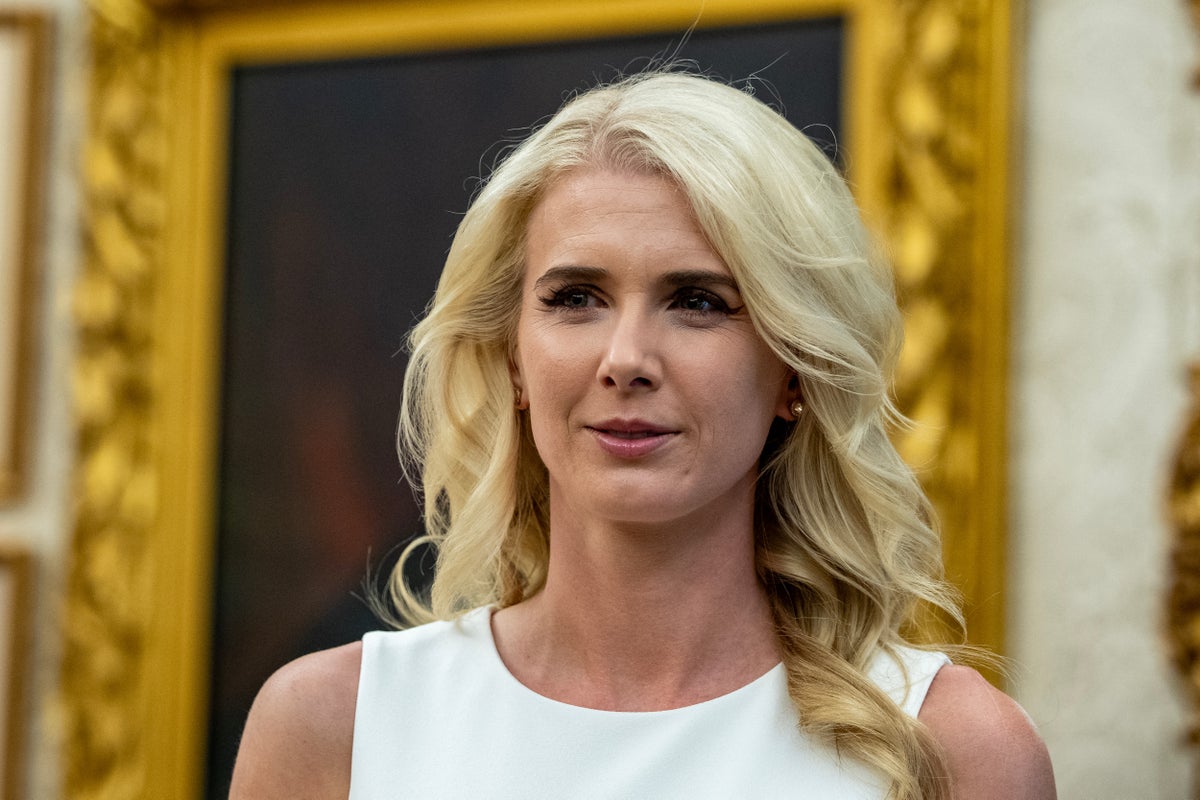
Ukraine's Ex-Defense Minister Calls for Election, Cementing Break With Zelenskyy provides an overview of the political friction and public statements surrounding the recent debate over governance and leadership shifts in Kyiv.