Don't let the public chest-thumping fool you. The sudden "war of words" between the United Nations nuclear watchdog and Tehran isn't just a random diplomatic spat. It's a high-stakes poker game where both sides are trying to rewrite the rules of a fragile, brand-new peace deal before the ink even dries.
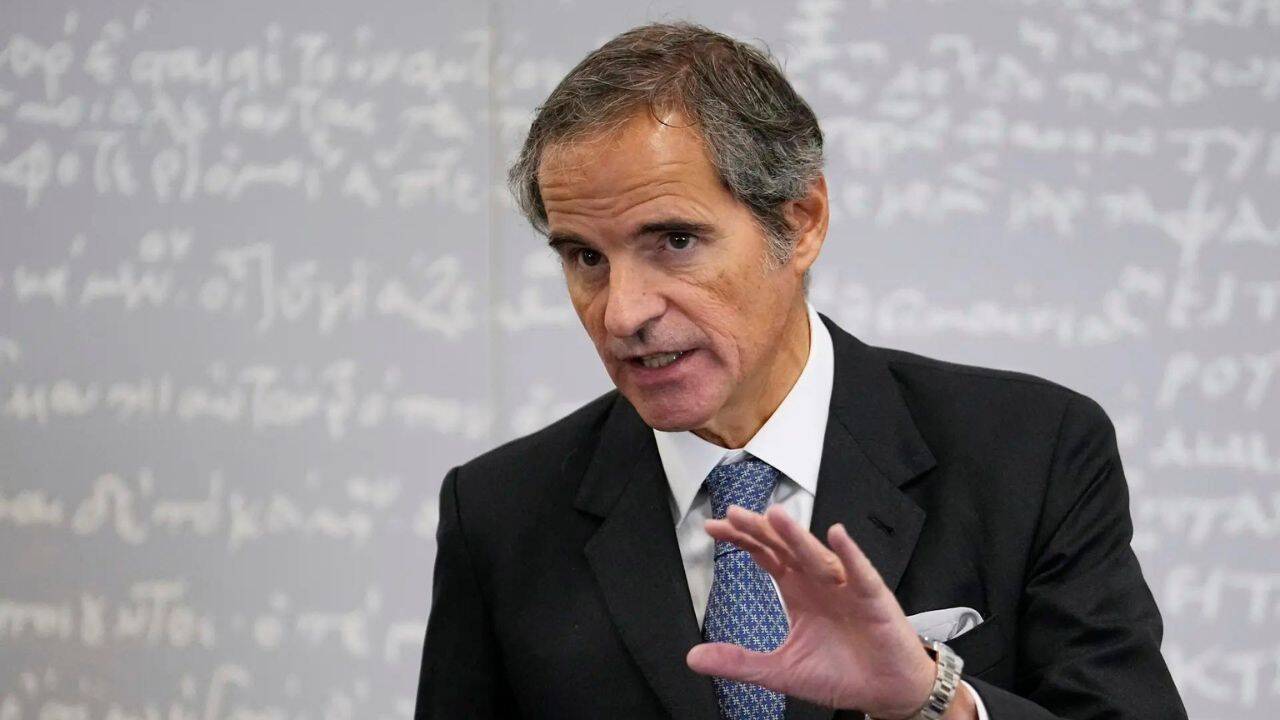
International Atomic Energy Agency (IAEA) Director General Rafael Grossi basically drew a line in the sand. Speaking from Japan's Fukushima Daiichi nuclear plant, Grossi insisted that UN inspectors will get back into Iran's uranium enrichment sites. "Whether this happens the day after tomorrow or in one week or in 10 days, it's important, but not essential. This is going to happen," he told reporters.
Tehran's response? A swift, frosty rejection. Iranian Deputy Foreign Minister Kazem Gharibabadi immediately fired back on social media, accusing Grossi of using "media hype" and stating flatly that inspections will only be reviewed under a final agreement after the US completely drops its sanctions.
If you're trying to figure out who's telling the truth, you're asking the wrong question. Here is what is actually going on behind the scenes, why this fight matters right now, and why the entire regional ceasefire hangs in the balance.
The Secret Text of the 14 Point Agreement
To understand why Grossi is so confident, you have to look at the interim Memorandum of Understanding (MOU) signed remotely between the US and Iran last week. This document established a shaky 60-day window to end a massive regional conflict.
The agreement isn't just about centrifuges. It is a massive jigsaw puzzle that includes:
- An immediate end to military operations across all regional fronts, including Lebanon.
- The lifting of the naval blockade on Iran and safe passage through the Strait of Hormuz.
- A $300 billion reconstruction and economic development package for Iran.
- Key oil export waivers and the release of frozen Iranian assets.
Grossi points out that the text explicitly states Iran's nuclear material facilities "will be supervised by the IAEA — in all letters." He argues you can't have supervision without inspection. It's basic logic.
But Iran is playing a different game. Tehran reads the exact same document as a sequence of events. In their eyes, the US doesn't get to look inside the secret facilities until the $300 billion flows, sanctions drop, and the economic benefits turn real.
The Blank Spaces in the Bomb Sites
This isn't an academic debate about paperwork. The physical reality on the ground is dangerous. Ever since the intense 12-day war in 2025, where Israeli and US airstrikes slammed into multiple Iranian facilities, the IAEA has been operating completely blind.
While inspectors can still visit standard commercial sites like the Bushehr nuclear power plant, they are completely locked out of the core enrichment hubs: Natanz, Fordow, and Isfahan.
Right now, nobody outside of Tehran actually knows what is left inside those bombed out bunkers. Nonproliferation experts are terrified that Iran used the chaos of the last year to move its highly enriched uranium stockpile to completely new, undeclared hidden locations.
The baseline facts we do know are chilling. Iran is currently the only country on earth enriching uranium to 60% purity without a formal nuclear weapons program. Experts estimate they already hold enough fissile material to quickly spin up as many as 10 operational nuclear warheads if they decide to make a sudden dash for the bomb.
Without physical boots on the ground to verify the cascades of centrifuges, any promise from Tehran to "downblend" or dilute its stockpile is completely worthless. You can't police what you can't see.
Trump and Rubio Add Fuel to the Fire
The political pressure from Washington is making a quiet compromise nearly impossible. US President Donald Trump jumped into the fray during a phone interview, claiming that both UN and American inspectors would eventually enter Iran to locate the enriched uranium. He added a typical threat: if Iran blocks them, he will "cancel the meetings right now."
Meanwhile, US Vice President JD Vance announced that an agreement for the return of inspectors was already a done deal, which is exactly what triggered the furious public denials from the Iranian Foreign Ministry.
To compound the tension, US Secretary of State Marco Rubio just touched down in the Persian Gulf for a rapid-fire tour through the United Arab Emirates, Kuwait, and Bahrain to rally regional allies. The Americans are projecting absolute certainty, forcing Iran to dig its heels in publicly just to prove it isn't bowing to Western bullying.
What Happens Next in Switzerland
The public posturing is a classic negotiation tactic: scream loudly in public to gain leverage for the private meetings.
The real work starts early next week when technical teams from both Washington and Tehran land at the Bürgenstock resort in Switzerland. With Pakistan acting as the primary mediator, negotiators have a dwindling 60-day clock to convert this vague 14-point outline into a functional, step-by-step roadmap.
If you want to track whether this peace process is actually real or just a stall tactic, ignore the explosive press releases from Tehran and the aggressive tweets from US politicians. Watch the Swiss diplomatic channels instead. The moment the technical teams finalize the specific dates, arrival routes, and safety protocols for the IAEA inspectors to enter Natanz and Fordow, you'll know a real deal is locked in. Until those dates are set, the entire regional ceasefire is built on quicksand.